
Automakers Scramble as US Tariffs Disrupt Car Imports
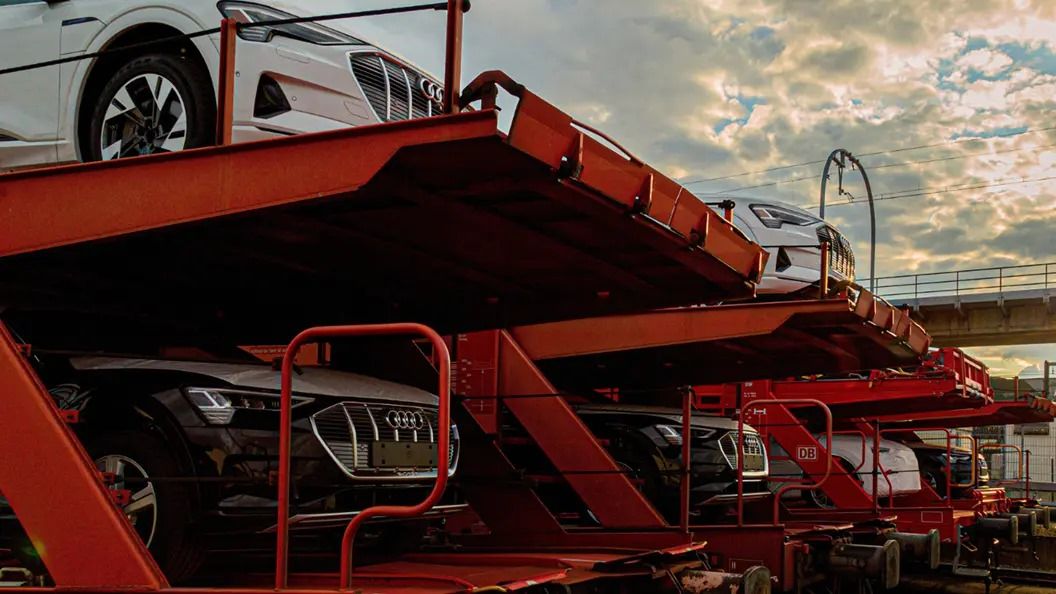
Automakers face a big challenge with new U.S. tariffs. A 25 percent tax now hits cars imported to America, announced by President Donald Trump. Audi, a major car brand, stopped shipping vehicles to the U.S. Their cars, built in Mexico or Europe, sit at ports. Around 37,000 Audi vehicles, enough for two months of sales, wait in storage, Reuters says.
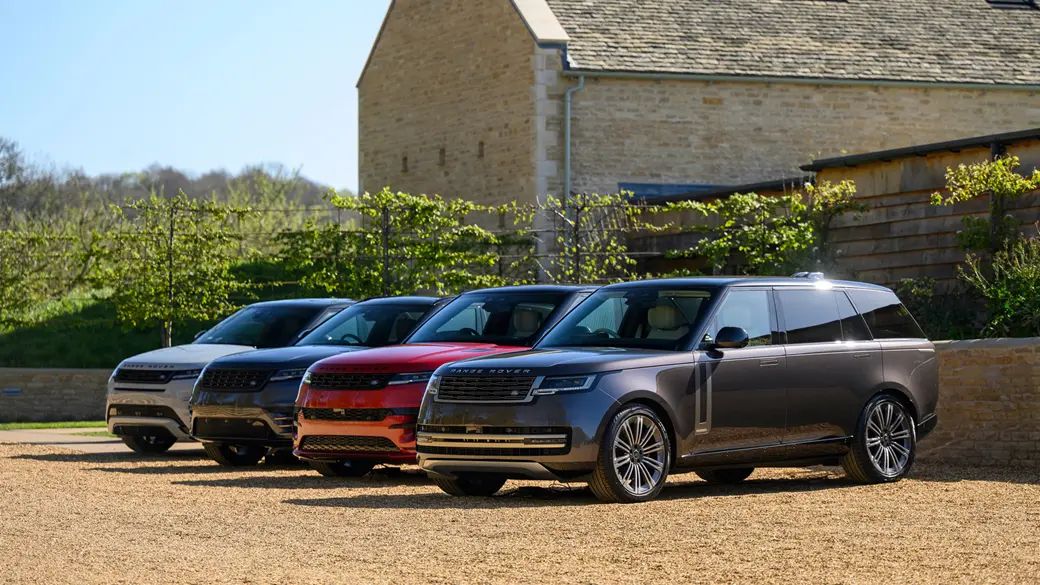
Jaguar Land Rover also paused its U.S. shipments. They called the U.S. a key market for their luxury cars. "We’re figuring out how to handle these new trade rules," their statement explained. They plan to stop imports in April while making longer-term plans.
The U.S., the world’s second-largest car market, feels the shake-up. Some companies eat the tariff costs, while others hesitate. The 25 percent car tariff, starting April 3, dwarfs the 10 percent tax on other goods. More brands might halt imports soon, following Jaguar’s lead.
Lotus Emira buyers in the U.S. vent online. Their cars, delayed by global parts sourcing, face further setbacks. Lotus hasn’t commented yet. British brands like Mini, Aston Martin, and McLaren got questions from CAR magazine about tariff impacts. The U.S. ranks as the UK’s second-biggest car export market, behind the EU.
Bentley, however, won’t pause imports. The U.S. is their top market. They’re unsure whether to absorb the tariff or raise car prices. A Bentley spokesperson said, “We’re still deciding how to handle the 25 percent hit.”
Morgan, a smaller British sports car maker, keeps shipping. The U.S. is a major market for them too. Some Morgan cars are already en route, tariff-bound. “We’re talking with dealers and customers to share the cost,” a Morgan spokesperson noted. They’ve tweaked pricing and margins to soften the tariff’s sting, splitting the burden between the company, dealers, and buyers.
Hyundai’s CEO, Jose Munoz, spoke at the Seoul Mobility Show. “No price hikes for us in the U.S.,” he promised. Hyundai aims to keep cars affordable despite the tariffs.
The UK government tweaked its electric vehicle rules in response. Fines for missing zero-emission vehicle targets dropped. Hybrids, like the UK-made Toyota Corolla, can now sell through 2035. Prime Minister Keir Starmer pushed for change. “Global trade is shifting fast,” he said. “We’re supporting our car industry to export British-made vehicles with confidence.”
Trump, from the Oval Office, laid out his plan. “All cars not made in America get a 25 percent tariff,” he declared. He started with a 2.5 percent base rate, now jumped to 25 percent. “This pushes companies to build in America,” Trump argued.
Even Tesla, led by Elon Musk, feels the pinch. Musk, tied to Trump’s administration, posted on X: “Tesla’s not immune. The tariff hits us hard.” Tesla faces the same import costs as others.
Hyundai Motor Group, meanwhile, bets big on U.S. production. They poured $21 billion into a Georgia “Metaplant” for Hyundai, Kia, and Genesis vehicles, plus EV batteries. Other automakers may follow, shifting factories to dodge tariffs.
Trump’s team also rolled out a tax break. Buyers of U.S.-made cars can deduct loan interest from income taxes. “This only applies to American-built cars,” Trump clarified, sweetening the deal for domestic brands.
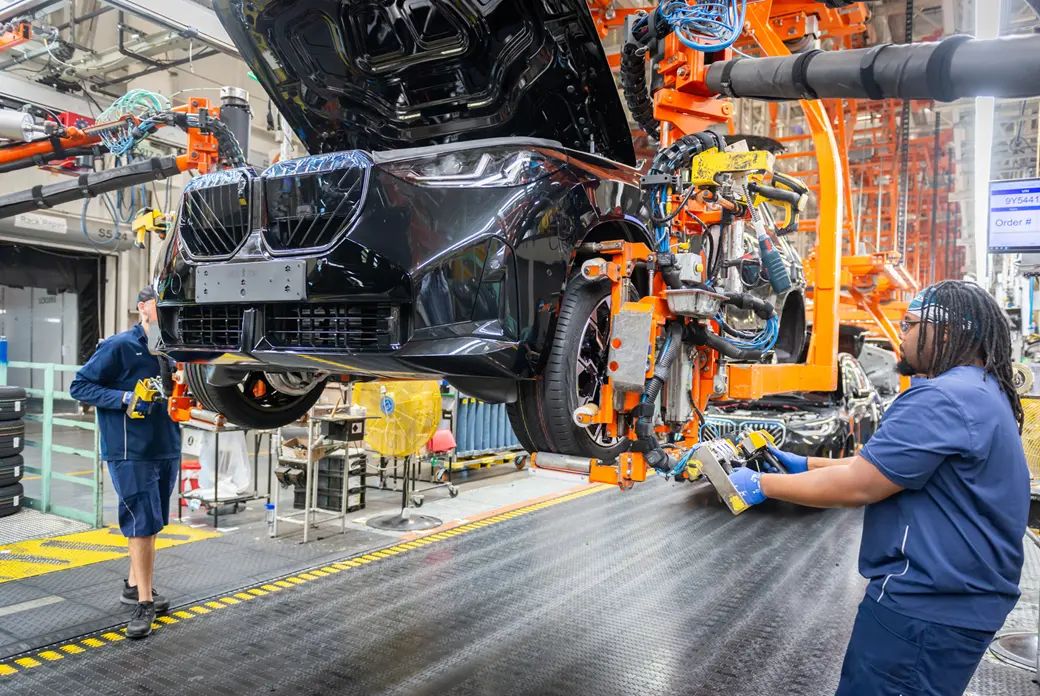
Not everyone’s upset. The United Auto Workers, a massive U.S. car industry union, cheered the tariffs. “This stops the race to the bottom,” said UAW president Shawn Fain. He praised Trump’s move as historic, fixing broken trade deals.
Across the border, Canada’s Prime Minister Mark Carney called the tariffs “a direct attack,” per the Associated Press. In Europe, Ursula von der Leyen, European Commission president, slammed them. “Tariffs hurt businesses and consumers in the U.S. and EU alike,” she said. Her statement came after the EU taxed Chinese cars, showing the global trade tug-of-war.
The tariffs ripple wide. Automakers juggle costs, rethink supply chains, or pass prices to buyers. Some, like Hyundai, double down on U.S. factories. Others, like Audi and Jaguar, hit pause, their cars stuck at ports. British brands face tough choices, balancing pride in their craft with new trade realities.
For now, the U.S. car market braces for change. Buyers wait longer for imports or pay more. Factories may shift to American soil, lured by tax breaks and tariff shields. Global trade, as Starmer noted, transforms fast. Carmakers, big and small, must adapt or risk falling behind.
Meanwhile, pre-owned cars in the UK are not feeling the pinch right now, so it is a good time to snag a good car deal.
Source and Images: Car Magazine UK