
Best Cars for Disabled Drivers and Passengers in the UK (2025)
Buying a car when you or someone you care for has mobility needs is not the same as picking a runabout for day trips. You need to think about transfers, boot space for a wheelchair or scooter, how easy it is to get in and out, and what the vehicle will accept when you ask for adaptations. This guide walks through the practical bits first, then recommends cars that make life easier whether you drive yourself or travel as a passenger.
What I used to choose these cars
I looked at vehicles that offer real-world space, sensible door and boot dimensions, and proven compatibility with common adaptations such as swivel seats, hoists and lowered-floor conversions. I also checked which models appear on converter and seat-lift compatibility lists and which are commonly used by conversion specialists. Price brackets vary because needs vary. If you need to stay in your wheelchair while travelling, that steers you towards WAVs and lowered-floor conversions. If you just need easier transfers, a swivel seat and hand controls may do the job.
Common adaptations and what they do
Before you study specific models, get familiar with the main adaptations. Knowing these will help you pick a car that can actually take the kit you need.
Hand controls
What they do: let you accelerate and brake without using your feet. They are well proven, mechanical or electronic, and compatible with most modern cars that have automatic transmissions.
Why they matter: low cost, reliable, and they let you keep the original driving position.
Swivel and transfer seats
What they do: rotate the seat outwards and, in many powered types, lower it to make transfer much easier. Models like Turny are common.
Why they matter: they reduce twisting and lifting when getting in and out, and they suit people who can transfer but find seat height and angle awkward.
Carony-style transfer wheelchairs and transfer plates
What they do: provide a mobile base for pivoting and sliding between wheelchair and car seat. Transfer plates bridge the gap at the edge of the seat.
Why they matter: they reduce the need for heavy lifting by a carer and make transfers safer.
Boot hoists and hoist cranes
What they do: lift a mobility scooter or powerchair into the boot without manual lifting. Can be fixed or removable.
Why they matter: essential if you travel with heavy mobility equipment.
Lowered-floor WAV conversions and securement systems
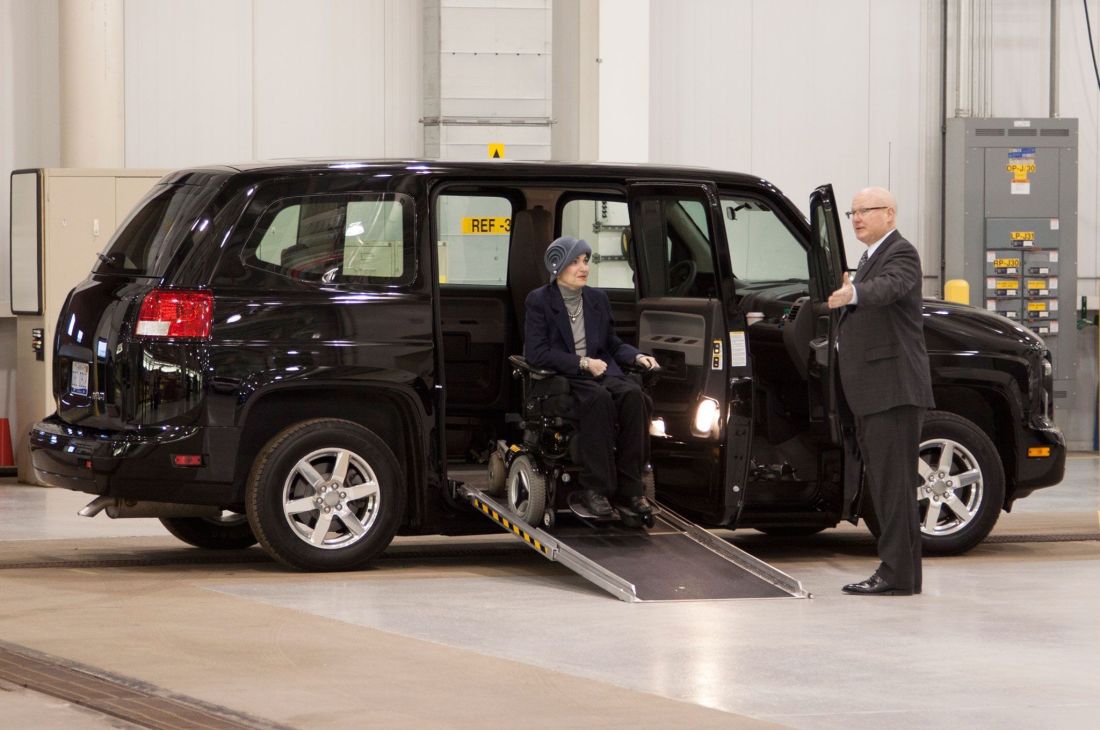
What they do: convert vans to let wheelchair users roll in and stay in their chair while travelling. Ramps or lifts are added and securement points are fitted.
Why they matter: they remove the need to transfer and are the only option for many full-time wheelchair users.
Seat extenders and seat runners
What they do: give the seat more fore and aft travel so transfers are safer and more comfortable.
Why they matter: small mod, big benefit for many who have limited leg movement.
Other tech and creature comforts
Voice control, automatic sliding doors, and power tailgates help. You might also want in-car remote controls for ramps or hoists and extended seat belts for easier reach.
How to think about the trade-offs
If you need to travel in your chair you will likely want a WAV or a van conversion. If you can transfer with help, focus on swivel seats, transfer plates and hoists. If you drive yourself and need only pedal alternatives, hand controls plus an automatic gearbox will cover most needs. Budget, range (for EVs), and servicing logistics also matter.
The top cars for disabled people
Below are practical choices that show up often in compatibility lists or are simply well suited to adaptation. For each I give the accessibility strengths and the most sensible mods to consider.
1. Mercedes-Benz V-Class
Why it’s good
Big interior, tall doors and a long wheelbase make the Mercedes V-Class a natural for seat lifts and passengers who need space. It can seat seven and still leave room for a folded wheelchair or a scooter. Conversion firms and seat-lift makers list this model as compatible with many solutions. It’s a premium option but it gives room and flexibility that smaller vehicles cannot match.
Best mods
• Powered swivel/transfer seats on driver and passenger side
• Removable rear seats or reconfigured seating to create wheelchair space
• Boot hoist for scooters and powerchairs
• Hand controls if driving without using pedals
Who it suits
Families that need independent transfers and drivers who want the option of both carrying passengers and mobility equipment.
2. Ford Tourneo Connect
Why it’s good
Practical, tall, and with wide sliding doors, the Ford Tourneo Connect is a workhorse for adaptation. The floor is flat, the entry is low and it is commonly used as a base for WAV and lowered-floor conversions. If you want a car that will accept more changes later, this is a future-proof choice.
Best mods
• Swivel or lowering seats for driver and passenger sides
• Transfer plates and seat extenders for safe pivoting
• Boot hoist or rear hoist solutions for scooters
• Lowered-floor conversions if you need to travel in your chair
Who it suits
People who want simple, practical access now and the option to add bigger changes later.
3. Volkswagen Touran
Why it’s good
A sensible family MPV with wide doors and a roomy boot. The VW Touran handles Carony-style transfer solutions well and works with seat lifts and hoists. It is a practical choice for carers as well as independent drivers who want comfortable adjustments.
Best mods
• Carony-style transfer wheelchair or transfer plates
• Powered or manual swivel seats like Turny models
• Boot hoist for heavier mobility devices
• Hand controls and simplified dash layouts
Who it suits
Drivers who need a dependable, easy-to-live-with MPV for regular transfers without going to a full WAV conversion.
4. Volkswagen ID.3
Why it’s good
For city-based drivers who want an EV, the Volkswagen ID.3 offers surprising interior space thanks to its EV platform. The low, flat floor lets adaptations sit neatly and supports many swivel seat solutions. Battery packaging does limit some boot hoist options, so you must check compatibility.
Best mods
• Swivel seat solutions suited to hatchbacks (check compatibility)
• Hand controls adapted for electric powertrains
• Compact boot hoist for folding scooters or small powerchairs
Who it suits
Urban drivers who want the lower running costs and smoothness of an EV while keeping adaptability in mind.
5. Renault Clio
Why it’s good
Small, affordable and with a generous door opening, the Clio is a pragmatic choice for drivers who want easy front-seat access. It is the budget pick for swivel seats and hand controls without WAV-level space.
Best mods
• Manual or powered swivel seat for driver or front passenger
• Hand controls and pedal adaptations for city driving
• Seat extenders to aid transfer
Who it suits
Independent drivers on a budget who need easier access rather than full wheelchair transport.
6. Kia EV9
Why it’s good
A roomy, three-row electric SUV that actually offers space for adaptations. The Kia EV9 is one of the few mainstream EVs with cargo volume and seat flexibility to accept powered swivel seats and hoists without crippling compromises. It pairs range with usability.
Best mods
• Turny Evo or similar powered swivel seat for driver and passenger sides
• Boot hoist for larger scooters and powerchairs
• Secure tie-downs and Carony transfer options if you need to travel in a chair
Who it suits
Drivers who want the benefits of an EV and need the space to carry mobility equipment without a van.
Practical checklist before you buy car for a disabled
• Get an occupational therapist or adaptation specialist to assess transfers and needs.
• Confirm the exact model and trim compatibility for any powered swivel seat you want. Manufacturers usually publish lists.
• Talk to conversion specialists about warranty and resale impacts. Some adaptations are reversible and kinder to values.
• Check Motability and VAT relief eligibility if you want funding support.
• Try the process. If possible, sit in the car, test a swivel seat or see the boot hoist in action before you spend.
Money and legal notes in the UK
If you qualify, the Motability Scheme can be a big help. VAT relief applies to certain adaptations and adapted vehicles but rules differ, so check gov.uk and speak to your supplier or accountant before you commit.
Final thoughts
There is no single right car. If you need to remain in your wheelchair while travelling, focus on WAVs and lowered-floor vans. If you can transfer, a good swivel seat plus a sensible boot hoist might be all you need. Choose the car that fits the adaptations you actually need, not the one that looks the best on paper.
Image Credit: Carro.co