
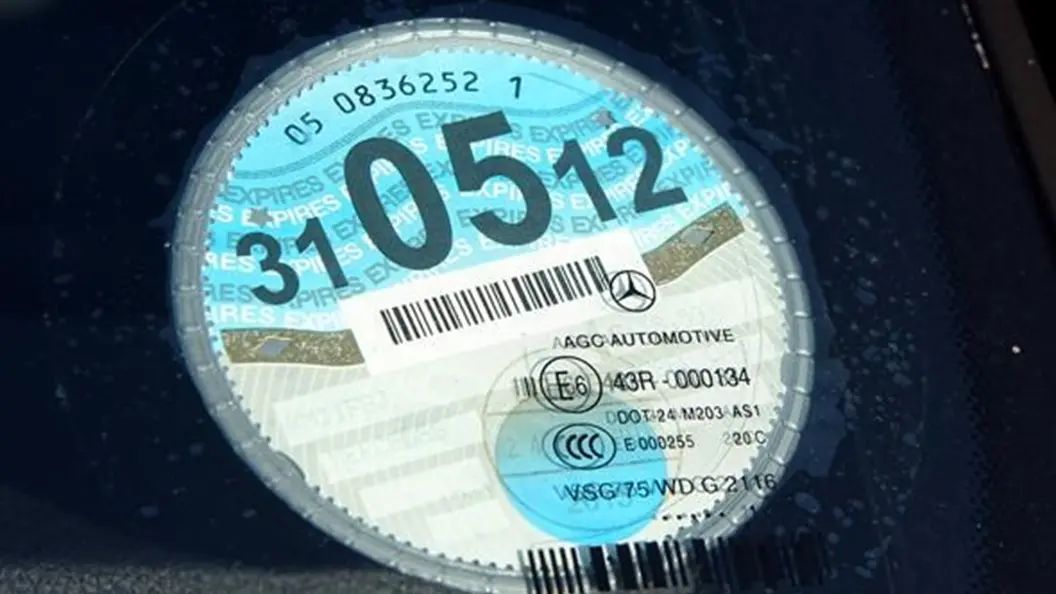
Car Tax in 2025: How Much Will You Pay?
Car tax is an unavoidable reality for vehicle owners in the UK. With new Vehicle Excise Duty (VED) rates coming into effect from April 1, 2025, it’s essential to understand how these changes will impact you. This guide covers everything you need to know about how VED works and what the upcoming tax increases mean for different types of vehicles.
How Does Car Tax Work?
In the UK, car tax is primarily based on CO2 emissions, but the age of the vehicle also plays a role. There are different tax rates for brand-new cars being registered for the first time and vehicles that have already been on the road. The first-year tax rate is calculated based on CO2 emissions, while subsequent years follow a different structure.
To determine your tax rate, check your vehicle's V5C registration document from the DVLA. This document contains information about your car’s CO2 emissions, which are measured in grams per kilometre (g/km). The cleaner the vehicle, the lower the tax, while high-emission cars attract higher rates.
First-Year VED Rates for New Cars (2025)
Starting April 1, 2025, anyone purchasing a brand-new car will need to pay the revised first-year tax rates. These rates range from just £10 for electric vehicles (EVs) to a hefty £5,490 for high-emission luxury cars such as the Lamborghini Revuelto or Rolls-Royce Phantom. Previously, EVs were exempt from road tax as an incentive for adoption, but this exemption is ending. However, EVs will still be taxed at a lower rate than petrol and diesel vehicles.
Here is a breakdown of first-year VED rates based on CO2 emissions:
CO2 (g/km) | Petrol & RDE2 Diesel | Other Diesel Cars | Alternative Fuel Cars |
0 | £10 | £10 | £10 |
1-50 | £110 | £110 | £110 |
51-75 | £130 | £130 | £130 |
76-90 | £270 | £350 | £250 |
91-100 | £350 | £390 | £330 |
101-110 | £390 | £440 | £370 |
111-130 | £440 | £540 | £420 |
131-150 | £540 | £1,360 | £520 |
151-170 | £1,360 | £2,190 | £1,340 |
171-190 | £2,190 | £3,300 | £2,170 |
191-225 | £3,300 | £4,680 | £3,280 |
226-255 | £4,680 | £5,490 | £4,660 |
Over 255 | £5,490 | £5,490 | £5,490 |
VED Rates for Subsequent Years (Post-2025)
After the first year, road tax rates change based on the original list price of the vehicle. If your car was originally priced at under £40,000, you will pay a standard annual rate based on fuel type:
Fuel Type | Annual Payment | 6-Month Payment | Direct Debit (Annual) | Direct Debit (Monthly) |
Petrol/Diesel | £190 | £104.50 | £190 | £199.50 |
Alternative Fuel | £180 | £99 | £180 | £189 |
Additional Charges for Cars Over £40,000
If your vehicle was originally priced over £40,000, you will have to pay an additional ‘luxury car supplement’ of £410 per year for years two through five.
Fuel Type | Annual Payment | Direct Debit (Annual) | Monthly Direct Debit | 6-Month Payment |
Petrol/Diesel | £600 | £600 | £630 | £330 |
Electric | £310 | £310 | £325.50 | £170.50 |
Alternative Fuel | £590 | £590 | £619.50 | £324.50 |
Many manufacturers, including Tesla and Vauxhall, have strategically reduced the price of certain EV models to avoid crossing this tax threshold.
VED for Cars Registered Between 2001 and 2017
If your vehicle was registered between March 1, 2001, and March 31, 2017, your tax will be based on its CO2 emissions, regardless of the original purchase price.
Tax Band | CO2 Emissions (g/km) | Annual Payment | 6-Month Payment |
A | Up to 100 | £0 | £0 |
B | 101-110 | £20 | N/A |
C | 111-120 | £35 | N/A |
D | 121-130 | £160 | £88 |
E | 131-140 | £190 | £104.50 |
F | 141-150 | £210 | £115.50 |
G | 151-165 | £255 | £140.25 |
H | 166-175 | £305 | £167.75 |
I | 176-185 | £335 | £184.25 |
J | 186-200 | £385 | £211.75 |
K | 201-225 | £415 | £228.25 |
L | 226-255 | £710 | £390.50 |
M | Over 255 | £735 | £404.25 |
VED for Cars Registered Before March 2001
Older vehicles are taxed based solely on engine size:
Engine Size | Annual Payment | 6-Month Payment |
Up to 1549cc | £210 | £115.50 |
Over 1549cc | £345 | £189.75 |
Common Questions About UK Car Tax
How Can I Check if My Car is Taxed?
You can check online through the DVLA’s website. Just enter your reg number, and it’ll tell you.
Can I Transfer My Car Tax When Selling My Car?
Nope. Since 2017, car tax isn’t transferable. If you sell your car, you’ll get a refund for any full months left. The new owner has to tax it themselves before driving.
How Do I Cancel My Car Tax?
If you sell your car or declare it off-road (SORN), your tax gets automatically cancelled. If you pay upfront, you get a refund for any unused months.
Do Classic Cars Pay Road Tax?
If your car was first registered before January 1, 1985, you don’t have to pay VED anymore. This rule moves forward each year, so in 2026, cars from before 1986 will become exempt.
What About Company Cars?
Company car tax is separate from VED. It’s based on how much benefit-in-kind tax you owe for having a work vehicle. Want to check how much you’ll pay? Use an online calculator.
Are There Any Exemptions?
Yes! Some vehicles don’t need to pay tax, including:
· Classic cars (as mentioned above)
· Disabled drivers
· Agricultural vehicles (if they’re only driven on roads for short distances)
· Lawn mowers (yes, really)
· Steam-powered vehicles (if you happen to own a steam car, good news!)
Final Thoughts
UK car tax is getting more expensive, and there’s no way around it. Whether you drive an old banger or a brand-new EV, you’ll be paying something. Knowing the rules helps you plan ahead – and maybe even save some cash. Pick a used car from our extensive list as per your budget and convenience to pay your taxes. Hope this guide made things a little clearer. Now, go check your car’s tax before it’s too late!
Source and Images: CarMagazine UK