
Essential Checks for Your Used Ride Before the First Frost in the UK
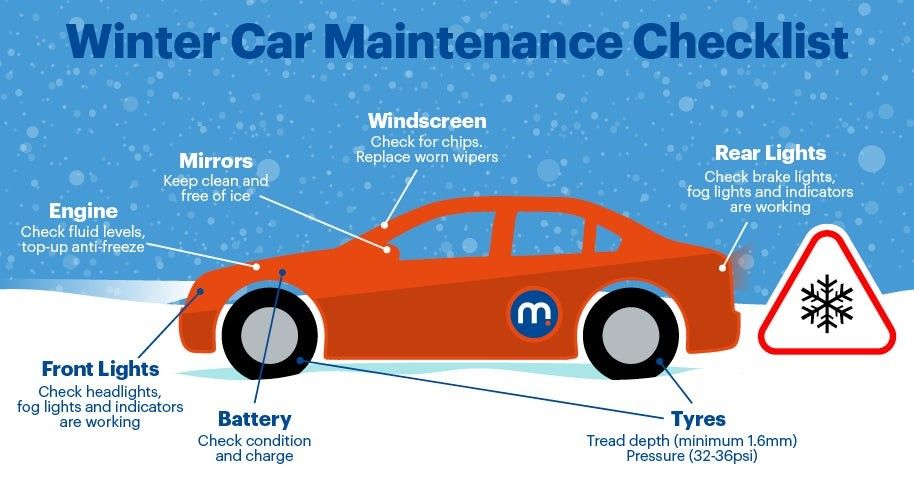
Winter in the UK is not just cold. It brings shorter days, salty roads, and more places where things can go wrong. If you own a used car, a quick prep session now can stop a cold morning from becoming an expensive headache later. Below I cover the three big areas: batteries, tyres, and fluids. I will also drop real seasonal stats so you know what you are actually fighting.
Batteries: the single biggest winter surprise
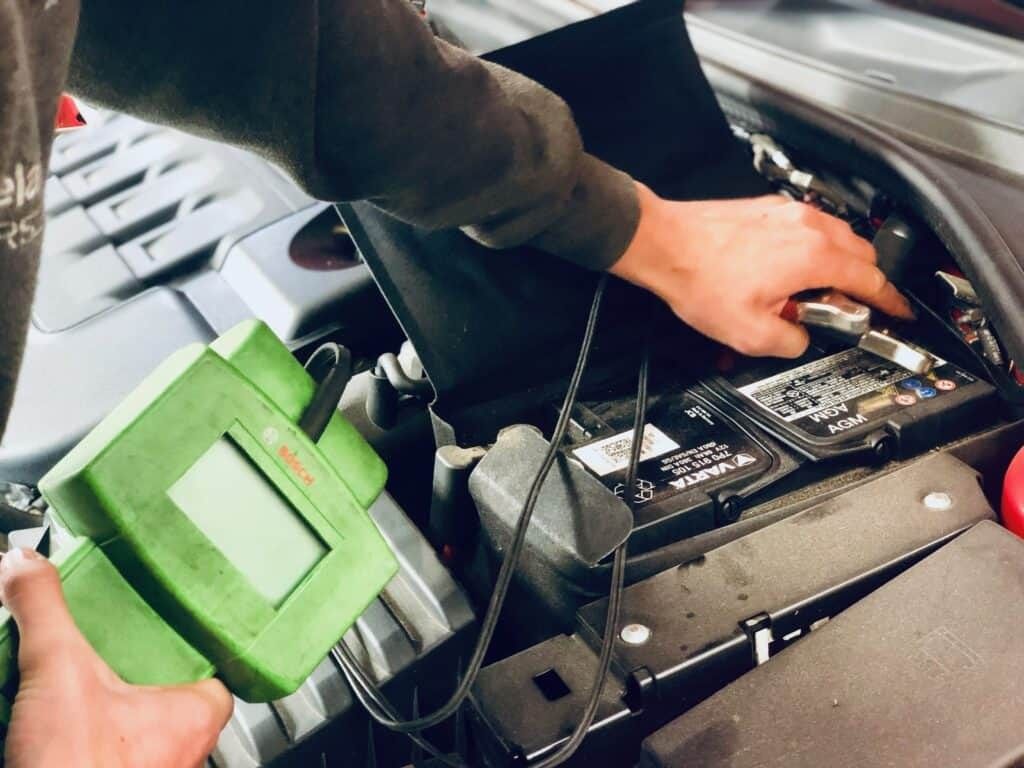
Cold weather and ageing batteries do not get along. In winter, flat batteries are consistently the top cause of roadside callouts. One insurer found flat batteries made up roughly 35 percent of winter callouts, with demand for jump starts up sharply compared with summer months. If your battery is more than four years old, think of it as a ticking time bomb and have it tested or replaced. A simple battery health check at a garage or an auto shop will tell you whether the battery holds charge, or if the cold will turn it into a dead weight.
Simple checks you can do right now
• Turn on headlights. Are they dim? That can point to a tired battery.
• Check the date on the battery casing. Older than four years? Replace or test.
• Clean terminal corrosion with a brush and a baking soda mix. Loose or corroded clamps can stop a healthy battery from delivering power.
If you do get a no-start on a frosty morning, most breakdown services do quick jump starts. But repeated problems means replacement. RAC and AA patrols report huge spikes in starting-related callouts on freezing mornings, especially around the first working day after holidays.
Tyres: tread, pressure, and whether to go winter
Tyres are the most important contact point between you and the road. Legally, UK tyres must have at least 1.6mm tread across the central three quarters of the tyre. Industry experts say that is a bare minimum and recommend replacing tyres once tread hits about 3mm for safer wet and winter performance. That extra tread makes a tangible difference for braking in slush and heavy rain.
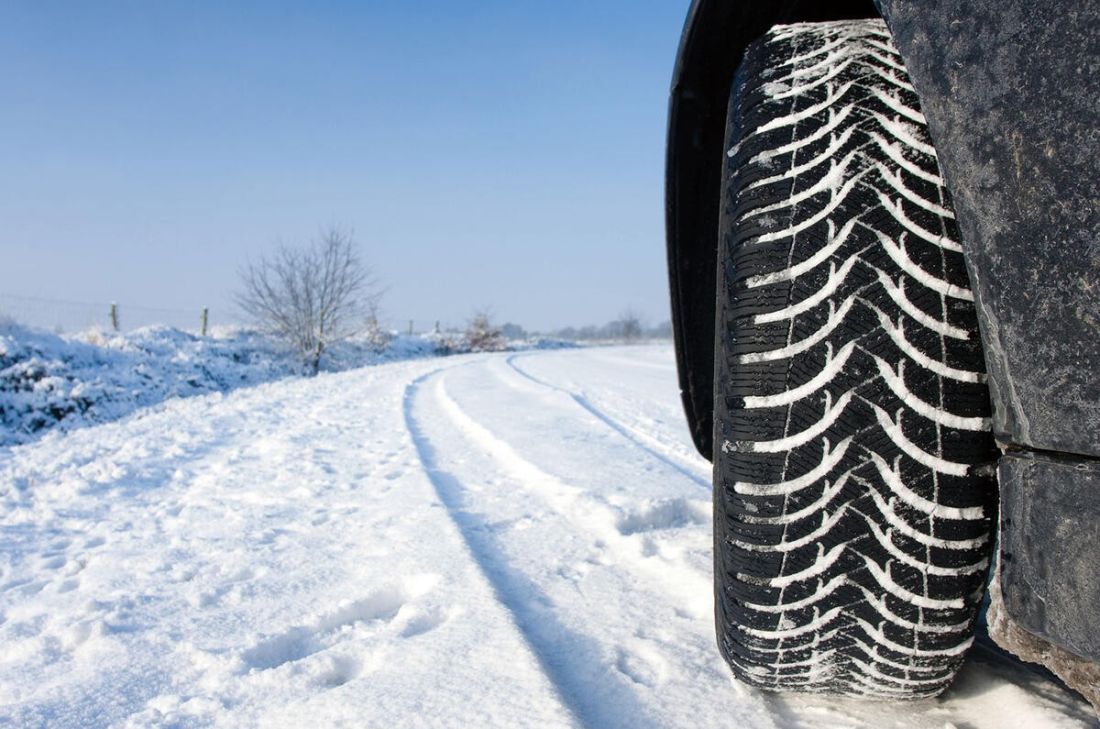
Should you fit winter tyres? If you regularly drive in colder regions, face prolonged ice or snow, or rely on shorter commutes in early mornings, winter tyres give noticeably better grip at low temperatures. For most light UK winters, good all-season or high-quality summer tyres with 3mm tread will be adequate, but winter tyres help in repeated bitter conditions.
Pressure matters more than you think
Cold air shrinks. As the mercury drops, tyre pressure falls too. A useful rule of thumb: tyre pressure drops about 1 to 2 psi for every 10 degrees Celsius fall in temperature. Underinflated tyres increase stopping distances, wear the shoulders of the tyre faster, and can trigger mid-winter punctures. Check pressures when tyres are cold and follow the vehicle placard or handbook numbers, not gas station defaults. Top them up if needed.
Fluids: coolant, oil, and screen wash that won’t let you down
Coolant and screenwash are the winter essentials that feel small until they cause big problems. A correct antifreeze mix is important. A 50/50 mix of antifreeze and water typically protects to about minus 35 degrees Celsius, which is plenty for the UK. If you live somewhere that sees prolonged deep freezes, a slightly stronger mix may be advised, but follow manufacturer guidance. Also check the system for signs of leaks and ensure the radiator cap seals correctly.
Screenwash and visibility
Use a winter-grade screenwash rather than plain water. Some winter screenwash products claim freeze protection down to around minus 10 to minus 18 degrees, and they help clear salty grime and oils that build up in cold weather. Using the right fluid stops frozen jets and avoids damage to the washer pump. Replace wipers if they smear or split.
Engine oil and gearbox oil
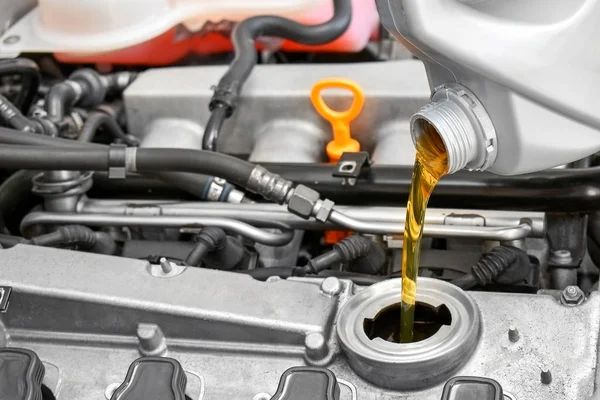
Modern engines usually use a fixed oil spec. You do not need to guess a winter oil grade. If your car’s handbook recommends a low-viscosity oil for colder starts, follow that. Otherwise just ensure oil level and service intervals are up to date. Low oil can mean harder cold starts and higher wear.
Quick winter prep checklist (30 minutes)
• Battery: visual check, clean clamps, test age. Replace if 4+ years or failing a health test.
• Tyres: measure tread, set pressure cold, inspect for cuts or bulges, consider winter tyres if you need them.
• Coolant: check level and look for leaks. Confirm freeze rating or mix.
• Screenwash: top up with winter-grade fluid. Test wipers.
• Lights: check all bulbs and clean lenses. Cold mornings mean more visibility risks.
• Emergency kit: warm coat, ice scraper, small shovel, torch, phone charger, jump leads or a jump pack.
Final note
You do not need to be a mechanic to do a lot of this yourself, and a little effort now pays off. If you prefer a pro check, most local garages and national chains run winter checks for a small fee. Do it before the first hard frost and you might avoid a cold, costly breakdown.
Visit our showroom or give us a call at 01908 88 88 00 for winter-ready, fully-inspected vehicles.