
EU Plans To Bar Sales of Combustion-powered Vehicles From 2035
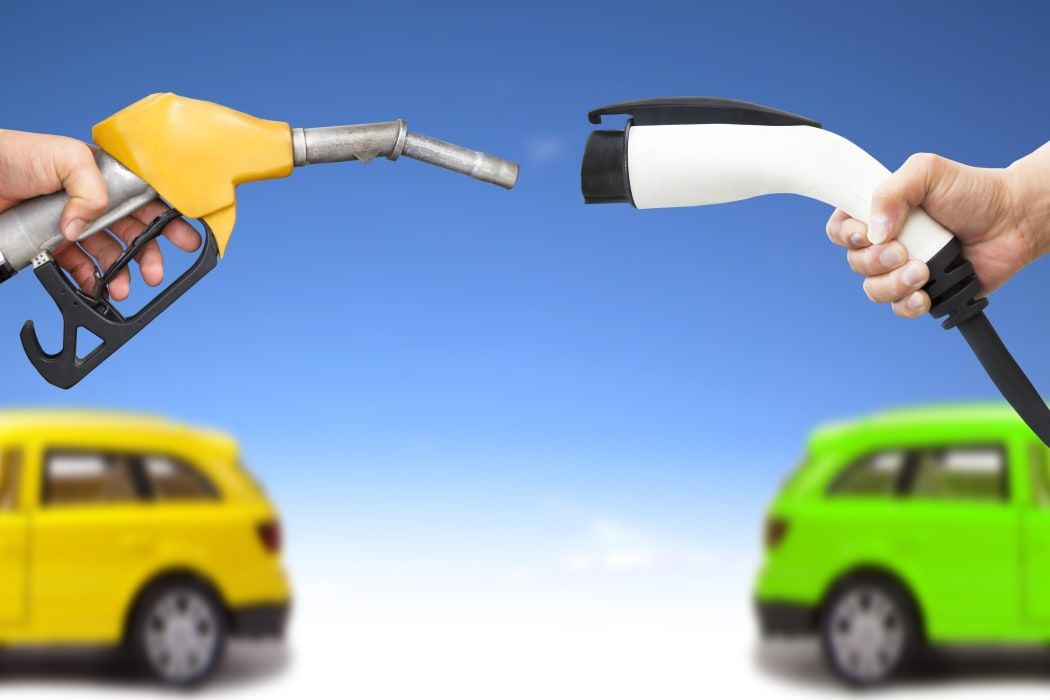
The European Union has validated proposals to prohibit sales of petrol and diesel-powered vehicles from 2035.
The European Parliament and the European Commission have decided to put more stringent emission targets, banning the sales of vehicles producing any form of CO2 (carbon dioxide) from 2035. This prohibition will apply to all 27 European Union countries.
Apart from petrol and diesel cars, hybrids and plug-in hybrids also emit CO2, so these will also be a part of the ban. EU will only allow sales of 100% battery-powered (zero-emission vehicles) and hydrogen fuel-cell cars like Toyota Mirai from 2035.
EU will put more restrictions before the 2035 deadline. Earlier plans were to limit the lawful carbon dioxide emission to 37.5% of the levels witnessed in 2021 by 2030. The new proposals have this cut increased to 55% of 2021 levels by 2030.
The decisions somewhat vary for vans and other business-related vehicles. The automakers of these vehicles need to cut 50% of emissions by 2030 and 100% by 2035 – contrasted to CO2 discharges in 2021.
That said, automakers developing less than 10K vehicles every year will get a one-year extension to the ultimate deadline (meaning till 2036), and they can settle on a different midway target.
Even a brand like Ferrari, which dispatched over 11,000 cars last year, will have to follow the new EU rules. However, if they start selling less than 10K vehicles annually, they will have one more year to go all-electric.
Right now, the Lamborghini, with 8,500 sales, and McLaren, with 2,200 sales in 2021, will receive a 12-month extension.
The European Union will allegedly release a bi-annual report from 2024 forward to assess the "progress towards zero-emission road mobility," so the new proposals might change before the 2035 deadline.
Oliver Zipse, BMW CEO, stated, "the European automobile industry is up to the challenge of providing these zero-emission cars and vans.”
He iterated the essential steps the governments should take to ease the new targets for the automakers. These comprise “renewable energy, a seamless private and public charging infrastructure network, and access to raw materials.”
Do These New EU Plans Affect the UK?
Earlier, the UK government proposed to ban the sales of combustion-engine vehicles by the year 2030, five years before the new European Union targets.
Unfortunately, the state of political affairs has put these proposals on a back burner. It is worth mentioning that the new EU strategies relate to only sales of new vehicles. That means the owners of older cars do not have to worry about the new rulings.
However, owners of combustion-powered vehicles might have to face extra charges in the shape of growing ULEZ areas before the 2030 and 2035 cutoff dates.
Source: CarWoW