
EV Sales Surge: UK’s Electric Boom
September 2025 saw a clear jolt in Britain’s switch to battery power. New data shows battery electric vehicle sales jumped sharply compared with a year earlier, after ministers rolled out a fresh Electric Car Grant that can knock up to £3,750 off qualifying cars. The result was the biggest month ever for pure electric registrations and a shift in buyer behaviour that could reshape the market over the next 12 months.
Record month, fast-moving market
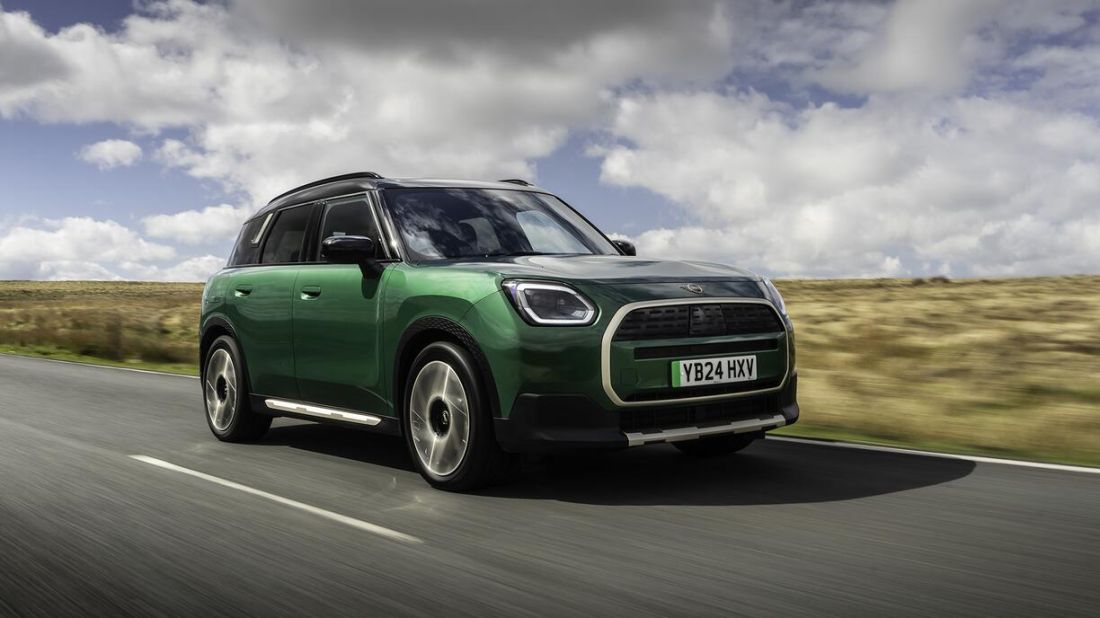
Industry figures from the Society of Motor Manufacturers and Traders show September was the strongest new-plate month since 2020, with total registrations up and EVs a growing slice of the market. About 312,891 new cars were registered overall in September, and battery electric vehicles made up roughly 23% of that total. In raw numbers, more than 72,000 new BEVs were registered in the month - roughly a third more than the same month last year depending on which dataset you use.
That surge followed the government’s reintroduction of an electric car subsidy earlier in the summer. The new scheme, backed by a sizeable fund, offers discounts of up to £3,750 on eligible new EVs and is aimed at making mainstream models cheaper for buyers. Reports suggest roughly 20,000 buyers already used the grant in September, and the scheme is credited with pulling forward some purchases that might otherwise have waited.
Who benefits and who is left out
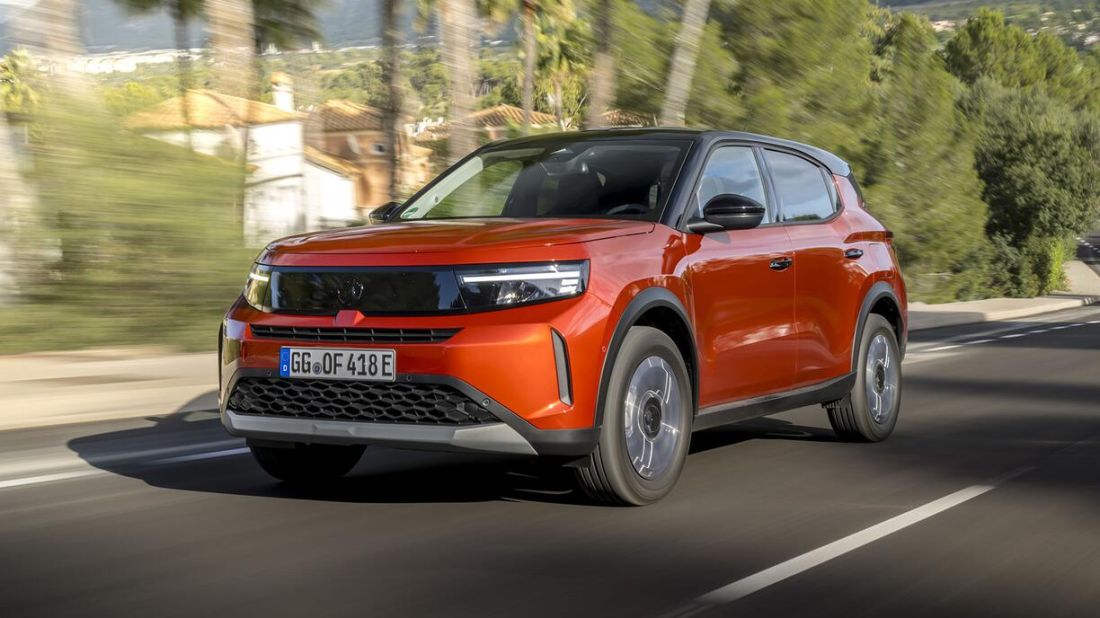
The grant is not universal. To qualify a car must meet price and sustainability rules. Vehicles priced above roughly £37,000 are excluded from the higher-level discount, and there are additional rules around battery, warranty and production footprint that mean only around a quarter of the BEV line-up currently qualifies for the maximum payment. That has left some buyers getting a chunky discount on mainstream models like the Renault, Nissan and Vauxhall entries, while many popular models from certain manufacturers sit outside the scheme.
Manufacturers are reacting in different ways. Some have adjusted pricing to hit the eligibility criteria, others have offered manufacturer-funded discounts when their cars miss the grant rules, and a number of brands from China have used independent price cuts to stay competitive in the UK. The patchwork of discounts is changing the relative attractiveness of models at the point of sale.
Changing buyer behaviour
A few obvious patterns are emerging. First, cost-conscious buyers who were on the fence are now more likely to choose a new electric model when the headline price drops by several thousand pounds. Second, the grant is nudging some buyers toward particular entry-level EVs rather than higher-priced, long-range models. Third, used car and part-exchange markets are adjusting, with petrol and diesel values reacting as more buyers trade up to new electrics. Industry analysts say this push-pull effect will ripple through lease pricing and residual values in the months ahead.
It is worth noting the surge is concentrated. While BEV volumes hit records, overall EV market share still sits short of the government’s ZEV ambition for this stage of the transition. Observers point out a one-month spike, even a big one, is not the same as a permanent change in purchase patterns. Supply, charging availability, and model range will determine whether this becomes a sustained trend.
Spotlights: Which models are selling
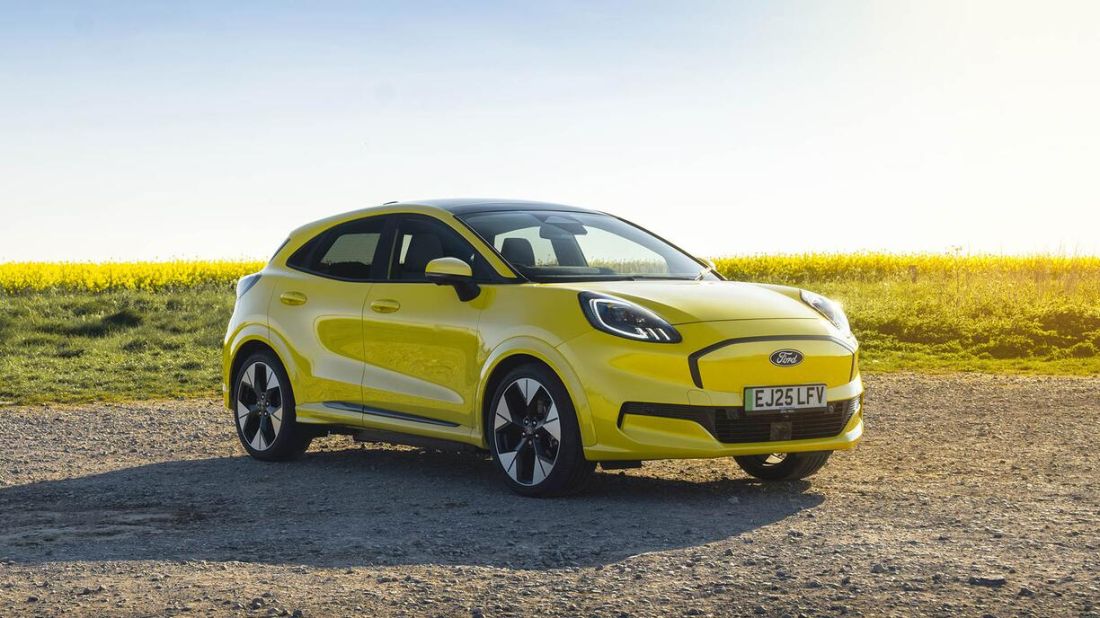
Early September figures and market reporting highlight that competitively priced models were particularly popular. Small and mid-sized hatchbacks and compact SUVs that qualify for the grant saw strong demand, while many large, premium EVs remained less affected because they sit above the price cap or fail other sustainability tests. Dealers reported increased interest in entry EVs from mainstream marques, where a grant can cut the effective purchase price by thousands.
Critics and caveats
Not everyone is convinced the grant is a panacea. Critics point out the complicated eligibility rules limit the program’s reach, and that the full environmental benefit depends on how the cars are made and how the electricity that powers them is generated. There are also concerns the scheme may distort market signals, favouring short-term uptake over a more structural move toward cleaner production and charging infrastructure investment.
What this means for net-zero
In plain terms, the grant removed a financial barrier and produced a measurable bump in sales. That helps the UK inch closer to lower transport emissions. But the progress will be steady only if we see more charging stations, grid upgrades, and wider fleet electrification. Policymakers must find a way to balance selling more EVs today with making big, long-term investments that will make EVs cheaper to own overall and better for the environment.
Bottom line
September 2025 was a headline month for electric cars in the UK. The government’s grant gave buyers a push, dealers reported brisk activity, and industry bodies called it a record for BEV volumes. Whether the surge becomes the new normal depends on supply, price strategy from manufacturers, and the long tail of infrastructure work that still needs doing. For now, at least, the UK’s electric boom looks real, if imperfect.
Sources: Guardian, Sky News, CarWow, SMMT
Images: Auto Trader