
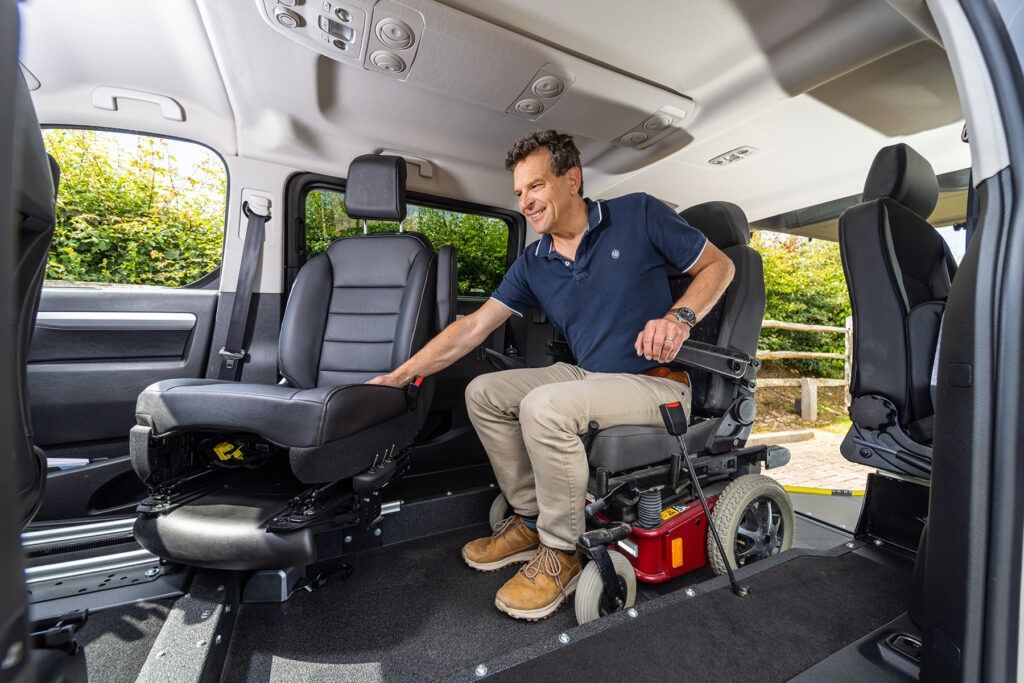
Financing and Grants for Adaptive Cars in the UK
Buying or adapting a car because of disability needs can be expensive. But the UK has a mix of public schemes, charity grants and tax rules that make it cheaper than you might think. Some people get help covering the upfront cost. Others pay less tax or can get adaptations funded if the vehicle is needed for work. Below I explain the main routes, who qualifies, and the practical steps to apply.
Main routes to funding and support
• Motability Scheme and Motability Foundation help people who receive certain mobility benefits with leasing and adaptation costs. They can also fund or part-fund wheelchair accessible vehicles.
• Access to Work can pay for vehicle adaptations when they are needed so someone can get to or keep a job. It covers adaptations and some travel costs.
• VAT relief is available on certain adapted vehicles bought for a disabled person. That can remove 20 percent from the purchase price if the vehicle meets HMRC rules.
• Vehicle tax concessions exist for some disabled drivers and for certain types of vehicles. That can remove ongoing tax costs.
Who is eligible
Eligibility depends on the scheme. Motability is linked to benefits such as the higher rate mobility part of Personal Independence Payment, War Pension Mobility Supplement and a few others. Access to Work is for people in, or about to start, paid employment who need extra support to work. VAT relief requires the vehicle to be adapted for the needs of the disabled person and used for their personal/domestic use. Check the exact criteria before you apply, because there are detailed rules and evidence needed.
How Motability works
Motability converts your mobility benefit into a lease deal for a new car. For many people this is the easiest route: the lease usually covers insurance, servicing and breakdown, and Motability can arrange adaptations as part of that package. If the car or the adaptations cost more than you can afford, the Motability Foundation runs grants that can help with advance payments, adaptations or a WAV. Apply early, and be ready to provide medical evidence.
Access to Work: when it helps
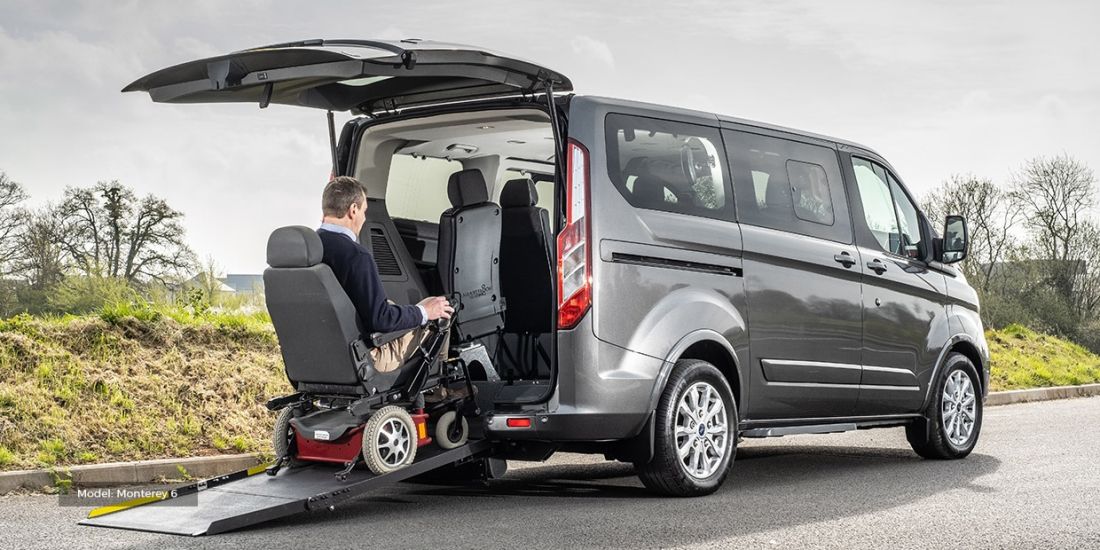
If you need adaptations to a car to get to work, Access to Work could pay. It is not an open-ended pot. The grant is assessed against what is reasonable and whether the adaptation will allow you to start or continue the role. You can apply up to 12 weeks before starting a job. Keep receipts and professional quotes; that speeds the assessment.
VAT relief: what to know
VAT relief can make a big difference on the sticker price, but HMRC is specific about what counts as an adapted vehicle. Ramps, hoists, fixed welded or bolted adaptations, and adaptations that are wired into the vehicle are often the kind that qualify. You will usually need documentation from the supplier and details showing the vehicle is for the disabled person’s domestic use. If you are buying second hand there are rules about how old the vehicle can be for the zero rate to apply.
Vehicle tax and other concessions
Some disabled drivers can claim vehicle tax exemption for one vehicle at a time. There are also local or temporary concessions in schemes like ULEZ in London that may apply to certain disabled people and vehicles, so always check the latest local rules before you assume you’ll pay the full charge.
Other sources: charities and local grants
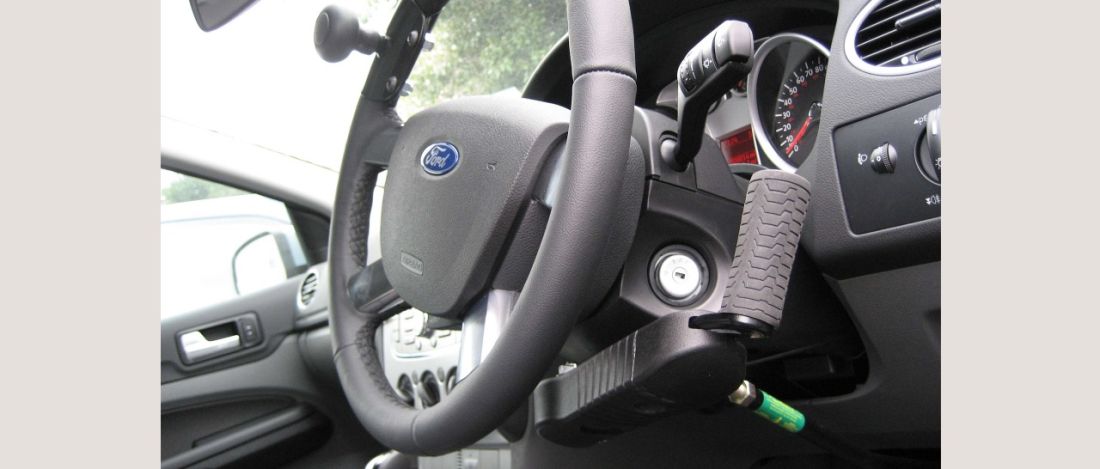
Beyond national programmes there are dozens of small charities and local funds that help with the cost of adaptations or wheelchair accessible vehicles. The Motability Foundation publishes individual grant options, and Turn2Us and local council discretionary funds can sometimes help for one-off costs. These smaller grants are means tested or aimed at people in particular circumstances, so you might need to make several applications.
Documents and steps
1. Work out which route you want. Motability for leasing and packaged support; VAT relief when buying adapted vehicle; Access to Work for employment needs.
2. Gather evidence early: benefit award letters, medical notes, quotes from accredited converters.
3. Get professional quotes for any adaptation. Converters often know the paperwork HMRC needs for VAT relief.
4. Talk to charities and foundations before committing to a purchase. Some grant panels meet monthly and need time to process applications.
5. If you are applying through Access to Work, apply before starting the job or shortly after an offer is accepted.
Money options if you still have a gap
If schemes do not cover the full cost, common options are: personal loan, finance deals from dealers, or leasing an adapted vehicle. Each has pros and cons. Loans give ownership but increase monthly payments. Leasing may lower monthly cost but you do not own the car. Think about maintenance, residual values, and how often you will need different adaptations in future.
Final thoughts
You need to understand that grants and assessments can take weeks. Second, talk to qualified vehicle converters and ask for HMRC-compliant paperwork if you want VAT relief. Third, be persistent. Smaller charities often have limited budgets and selective criteria, but applying to more than one service raises your chances.
If you are in need of an adaptive vehicle, please get in touch with us.