
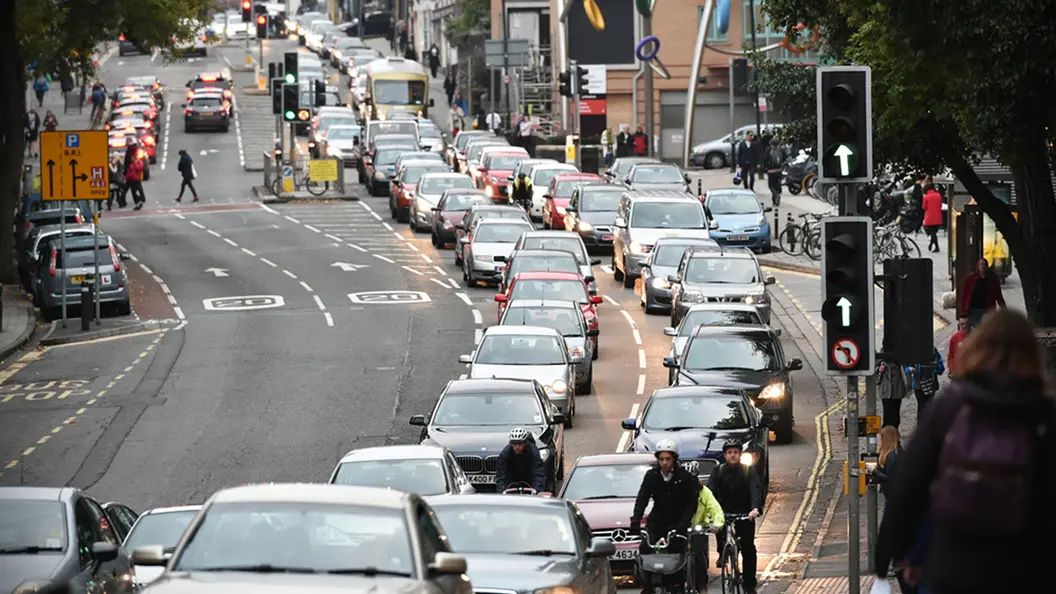
Government Pushes Petrol and Diesel Car Ban to 2030
The government is at it again—this time looking to move the ban on petrol and diesel cars back to 2030. It feels like we just got used to the idea of 2035, and now they’re changing it again. Apparently, Labour wants to clear up the confusion the last government created when they pushed the deadline back. Heidi Alexander, the transport minister, has stated that they want to restore order and give the auto industry much-needed direction. This back-and-forth does not exactly scream "stability."
What Does This Mean for Petrol and Diesel Car Sales?
What does this actually mean? Will you still be able to buy a petrol or diesel car after 2030? Well, kind of. The consultation is meant to gather input from the industry, mainly on what kinds of vehicles should still be allowed between 2030 and 2035. By 2035, though, they are saying that everything must be fully zero-emission. No petrol engines hidden under the hood—pure electric, or nothing.
The situation with hybrids is still unclear. The statement does not even mention them, which is a big deal considering that many manufacturers still see them as a necessary step before going fully electric. Some hybrids might be allowed after 2030, but what kind? Mild hybrids? Plug-in hybrids? No one knows yet. Car companies need answers, and at the moment, they are not getting any.
How This Affects the UK’s Car Industry?
Now, let’s talk about how this is affecting the UK’s car industry. Everyone suspected that Labour would move the ban up again, and now it is official. For manufacturers, this is both a good and a bad thing. On one hand, at least they know what they are dealing with. On the other hand, some are still figuring out how to shift their production to EVs—because, let’s be honest, EVs are not exactly selling as fast as petrol cars yet. Car companies are being forced to produce cars that many customers do not even want, just to meet these new rules.
Take Toyota, for example. Their Burnaston plant is focused entirely on hybrid production. They manufacture the Corolla there—nothing but self-charging hybrids. They have not even announced a move to full EV production yet. So what happens to that factory? Will they have to shut it down? Rebuild everything? No one knows. Nissan is in a slightly better position. Their Sunderland plant, the biggest in the UK, still produces petrol and hybrid models, but at least they are working on shifting toward electric. However, it is still a slow process.
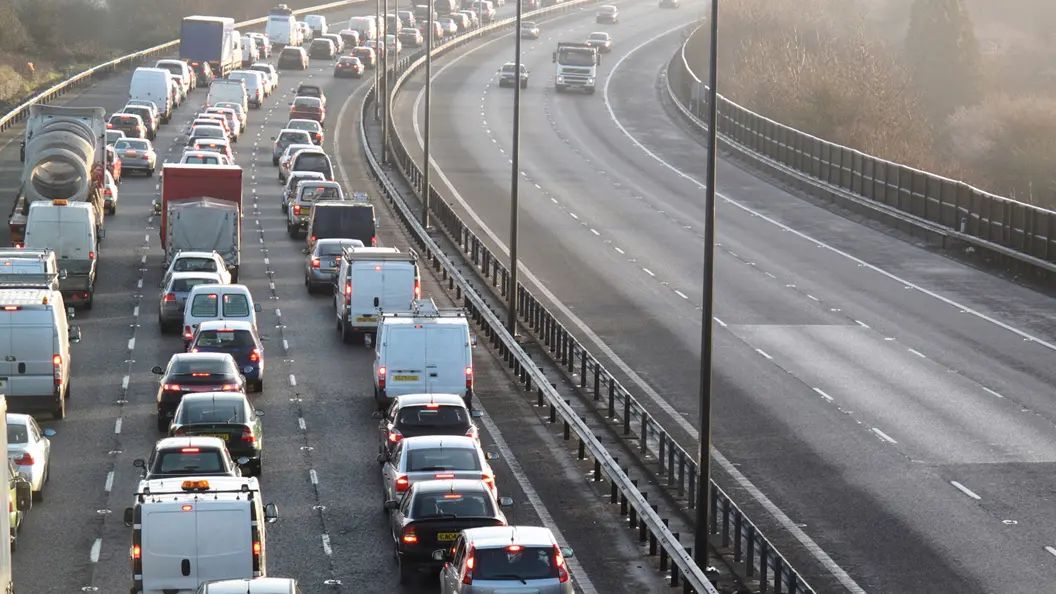
Then there is Stellantis. This change basically confirms that their van factory in Luton is shutting down. They have been waiting for an official decision from the government, and now that Labour has confirmed the 2030 ban, it looks like closure is inevitable. Executives at the company have been asking for clarity for a while, and now they have it—just maybe not the answer they were hoping for.
What’s Going on With the ZEV Mandate?
Another major issue in this debate is the ZEV (Zero Emission Vehicle) mandate. It is a rule that requires car manufacturers to sell a certain percentage of EVs each year, or else they will face fines. In 2024, they were expected to reach 22%. Only about a third of them actually managed to do so. Out of the ten biggest car brands in the UK, only three hit the 22% mark. The rest? They fell behind—Ford and Toyota barely reached 8%.
Despite this, the Department for Transport (DfT) insists that "no manufacturer will need to pay fines" because they built enough flexibility into the rules. Essentially, the regulations are strict, but they have enough loopholes for companies to avoid penalties. A classic government move.
Now they are asking the industry for feedback—what should change? What should stay the same? Honestly, it feels like a formality at this point. They are moving full speed ahead with this transition to electric, whether or not the industry is fully prepared. The next few years are going to be messy, that is for sure. If you were hoping to buy a new petrol or diesel car after 2030, you might need to start making other plans.
However, you could still buy second-hand cars in the UK and those do not give you the price shock of new vehicles.
Source and Images: CarMagazine UK