
How Has Short Supply Of New Cars Affected Used Car Demand?
Low Supply of New Cars Affects Price and Demand of Used Cars
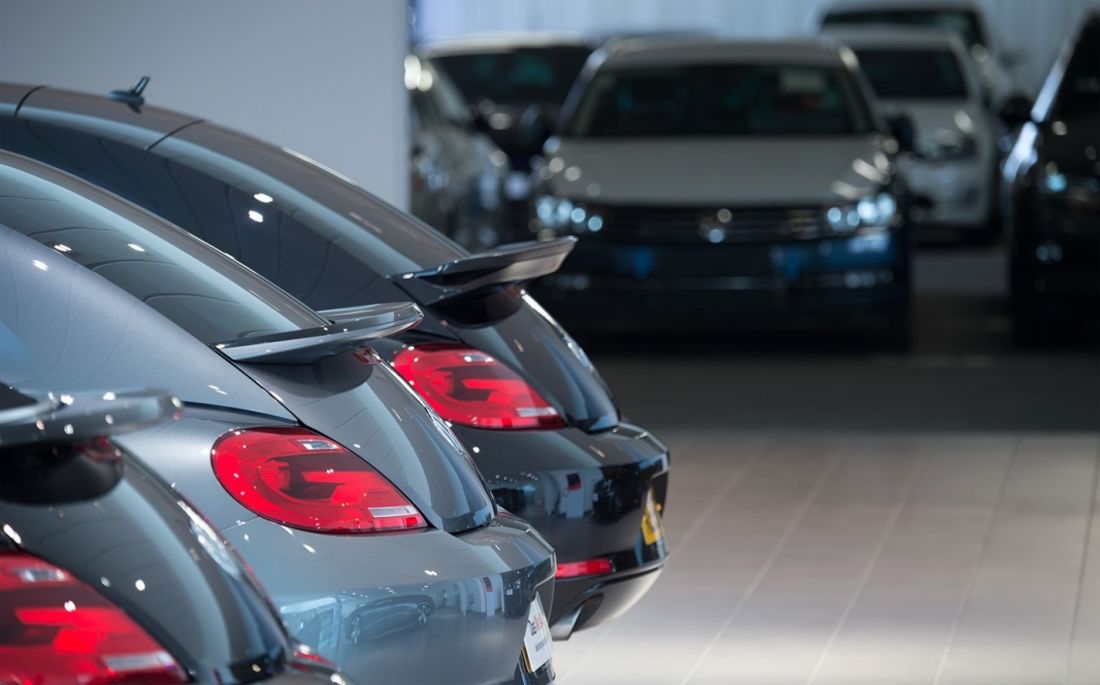
According to new statistics revealed by Auto Trader, the high demand for secondhand cars is driving the prices up in the UK automotive sector.
The value of a secondhand car has risen by 15.2% on like-for-like models since 2020, showing 66 successive weeks of progress in prices.
Auto Trader noted 15.8 million visits in the third week of August, an increase of 32% from the same week in 2019, underlining the enhanced public interest in purchasing used vehicles.
The data further reveals an 18% increase in the number of hours visitors spent exploring new cars, heading to a 68% rise in the number of leads that the company forwarded to auto dealers.
Multiple factors contribute to the rising demand for used cars. For instance, UK residents want to ditch public transport and buy affordable secondhand vehicles instead. It is due to coronavirus-related issues and irregular transport availability.
As businesses have resumed operations, employment opportunities are rising. With more people employed, the need for cars has tremendously increased.
While this could be one reason for rising pressure on secondhand vehicles, the most significant factor is the low supply of new cars in the market.
The low availability is a combination of two factors: the slowdown due to the Covid-19 pandemic and the global chip shortage.
According to Auto Trader, 46% of new car purchasers do not have the patience to wait for more than a month to get their hands on their preferred vehicle, with 74% ready to buy a secondhand substitute if they do not have complete access to a brand-new automobile.
Auto Trader predicts the UK residents will buy 1.8 million new vehicles in 2021. If low supply wasn’t a problem, they could possibly buy around 2.4 million cars. The data also shows that about 600,000 aspiring new car buyers might have to resort to used vehicles.
With more customers and a lower number of vehicles available at dealerships, they are not in a mode to offer rebates now. The average price cut of £343 in 2019 dipped to zero in August, with secondhand cars priced more than before.
The maximum price increase we witnessed was for sports cars due to high demand.
Among the top ten highly demanded cars, the Jaguar XK and XKR – slotted at first and ninth – have grown by 51.6% and 27.6%, respectively. The Audi RS went up by 35.3%, while the vehicles such as the Mazda MX-5 and Nissan 370Z also got a position in the top ten cars whose year-on-year prices have jumped.
While some cars witnessed a price hike, a few plunged, including the vehicles from DS and Citroens. The prices of DS 3 Crossback and DS 4 reduced by 8.7% and 7.6%, respectively.
Furthermore, the BMW 8 Series, Chevrolet Aveo and Fiat Grande Punto didn’t do well in terms of price hikes.
Source: Driving.co.uk