
How to Charge An Electric Car In The UK?
How to Charge An Electric Car In The UK?
As the UK is readying itself to embrace full electrification, the car owners who have been topping up their fuel tanks with petrol and diesel will soon use charging terminals to charge up their vehicle batteries.
Charging a vehicle seems like charging a mobile where you need an electric car (your smartphone), a charge point (your electricity outlet), and a charging cable (your charger). However, there are more technicalities involved, and the process is a little more complicated than charging a smartphone.
For EVs, the good news is you can charge them at home or a charging station, both costing you differently.
So, how can you install a charging point at home, and how much will it cost? How long will it take to charge at home and a charging station? Today, we will try to answer these questions:
Charging speed at home and in public
In simple words, the higher the kilowatt output of a charger, the faster it will charge. At home, you can use a domestic three-pin plug to charge at a 2.3kW rate or a dedicated 7kW wallbox. The public chargers offer varied electricity outputs where 50kW charge points are considered ‘rapid’ while those rendering 100kW or more come under the 'ultra rapid’ category.
Two ways to charge an electric car at home

As stated earlier, you have two choices of charging at home – use a domestic three-pin plug or a dedicated charging port, known as a wallbox. The first option is most convenient, but it would take around 35 hours to replenish the battery fully, depending on the vehicle and battery pack. That’s not a recommended option for homes with weak electricity circuits. Furthermore, experts deny the use of cord extension if your car is far away from a plug socket.
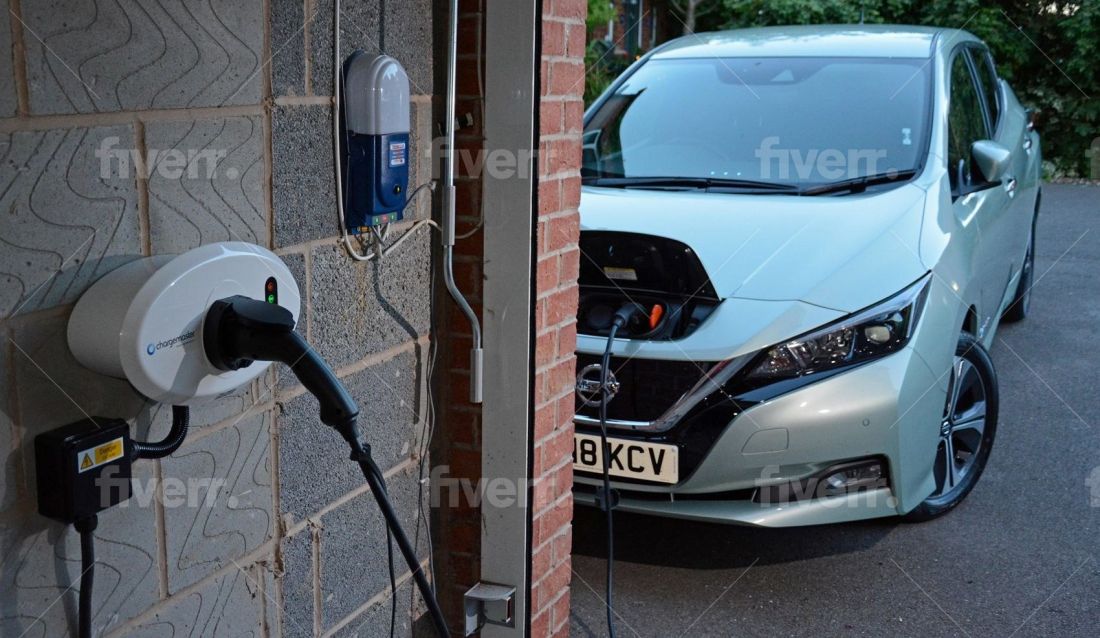
On the other hand, the wallbox with 7 kiloWatts delivery can add approximately 30 miles to the battery in an hour, often charging fully in about 10 hours, depending on the EV.
How can I have an EV wallbox fixed at home?
There is a wide variety of home wallboxes available in the market these days, so you first need to research the best ones according to your vehicle. A wall box requires an expert for installation (usually sent by the company), as well as upgraded circuitry (if your home has old wiring).
While installation of a wallbox usually takes around a couple of hours, you need to consider lots of other factors as well, such as contacting your energy firm for any available dedicated EV plan and knowing about any possible government grant.
The cost of charging varies according to the battery size, electricity price, and the time of the day when you charge. A simple formula to get the cost is multiplying the energy supply charge per kWh of electricity by the available battery capacity.
How can you charge your EV in public spaces?
Public chargers are fixed points on the roadside, motorways, public car parks, or standalone machines at petrol pumps, offering at least 50kW charging speed. Some chargers deliver as high as 350kW, but we find very few of them in the UK.
Many firms offer these charging points, including oil companies such as BP and Shell and dedicated charging ventures like Instavolt and Gridserve Electric Highway.
Every company charges differently - Ionity demands £0.69 per kWh, BP Pulse asks £0.55 at its 55kW charger, and Gridserve charges £0.39 per kWh at its 60kW terminal.
Source: CarWow
Images: Enel X