
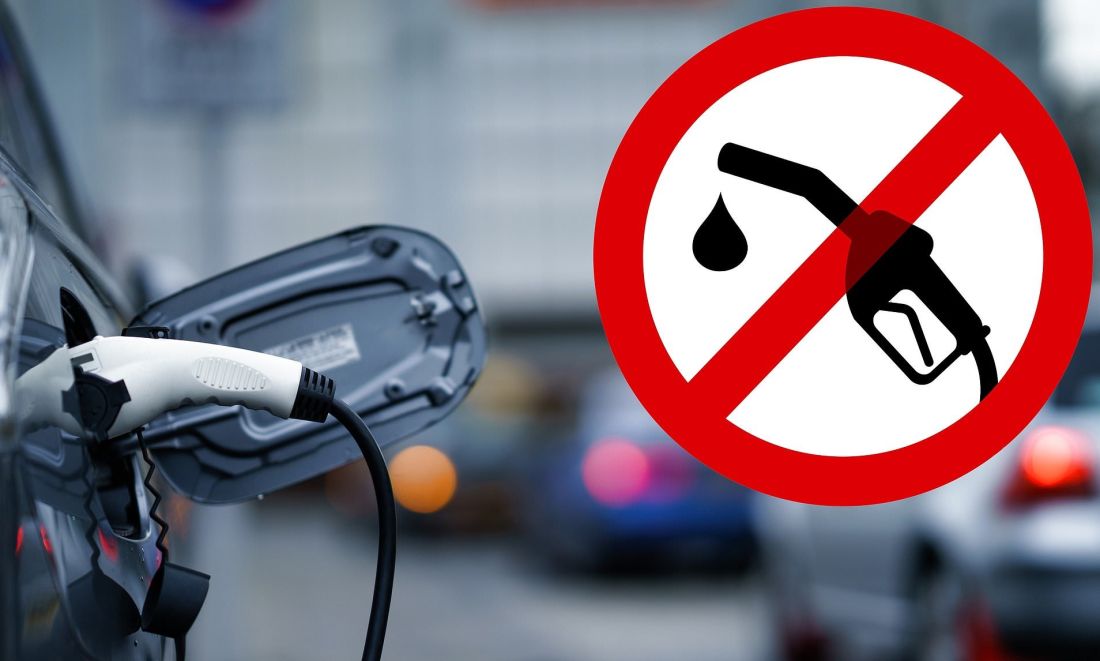
Navigating the UK's 2030 Sanction on Petrol and Diesel Cars: What You Should Be Aware Of
The British administration has declared its intention to eliminate the distribution of brand-new petrol and diesel automobiles and vans by 2030 as an integral part of its endeavor to attain net zero emissions by 2050. The termination will also encompass new hybrids and plug-in hybrids by 2035, except those that are capable of travelling a substantial distance in zero-emission mode. However, it remains to be determined by the UK government what precisely constitutes a significant distance in this context.
The action is a constituent of a comprehensive 10-point strategy for a "green industrial revolution" that strives to fabricate a quarter of a million jobs and allocate resources into sustainable power, hydrogen, nuclear, electrical automobiles, public transportation, carbon confiscation, and other ventures.
The UK government has set aside £4 billion of newfound funds for executing the strategy, which is anticipated to elicit £12 billion of public investments and £36 billion of private sector money.
The administration has likewise disclosed £1.3 billion for extending the electric automobile charging network, £582 million for subsidies to assist individuals and companies in acquiring electric cars, and additional funding for the growth and production of batteries.
Simultaneously, the cessation of new gasoline and diesel automobiles and vans will not impact the used car supermarket, and individuals who currently own automobiles will still be able to operate them following the target dates of 2030 and 2035.
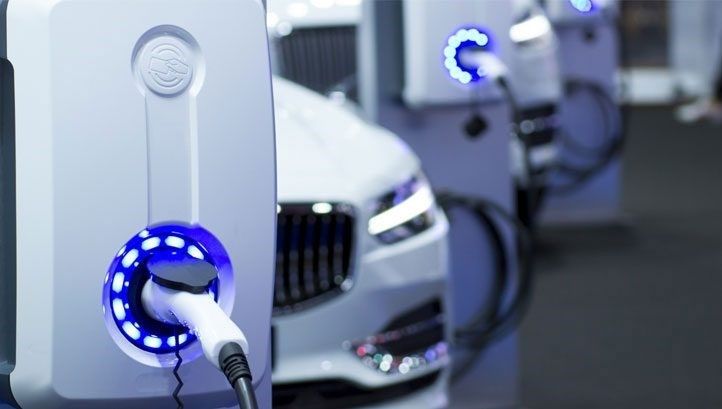
Electric automobiles remain pricier than their traditional counterparts, although the price disparity is gradually dwindling. In addition, electric vehicles boast reduced operational expenses and tax perks. The average British driver covers a distance of approximately 21 miles every day, a range well within the capabilities of the majority of advanced electric cars.
The shift towards electric transportation is bound to necessitate a shift in the perception of drivers who will be compelled to charge their vehicles more frequently at varied locations. The authorities are extending financial aid to set up charging points at residential areas, workplaces, and government offices.
The discontinuation of brand-new gasoline and diesel automobiles and vans constitutes a component of a more extensive planetary inclination, as several other nations like Italy, Belgium, Sweden, and Japan have also publicized comparable intentions. The European Union has also unveiled its strategy to prohibit the commercialization of petroleum and diesel-powered automobiles commencing from 2035.
The automobile industry in the UK has voiced its apprehension regarding the 2030 limit and the new-fangled Euro 7 pollutants directives for petroleum and diesel vehicles. Despite having spent billions in creating zero-emission automobiles, the industry still faces many challenges in catering to the necessities of the consumers while maintaining their financial stability.
British consumers have displayed a mounting penchant for alternatively powered automobiles, with a noteworthy 23 per cent of new registrations comprising electric or plug-in hybrid vehicles in the year 2022. Nevertheless, a subset of consumers may yet cling to gasoline or diesel-powered automobiles for their extended excursions or more economical pricing.
If you are one of those, you should check out our used car Milton Cayenne’s section. Around 200 second-hand vehicles are available right now with 90 days warranty.
FAQs
Q: What is the UK's strategy for prohibiting petrol and diesel vehicles?
A: The UK administration intends to prohibit the purchase of brand-new combustion-powered vehicles by 2030 as well as new hybrids and plug-in hybrids by 2035, except for those capable of travelling a significant distance in zero-emission mode.
Q: Why is the UK prohibiting petrol and diesel vehicles?
A: The UK is prohibiting petrol and diesel vehicles as part of its plan to attain net zero emissions by 2050 and combat climate change. Furthermore, the UK desires to generate employment opportunities and invest in renewable energy, hydrogen, nuclear, electric vehicles, public transport, carbon capture, and additional avenues.
Q: What will be the impact of the prohibition on existing car owners?
A: The prohibition will not have any effect on current car owners, who will still be eligible to operate their petrol and diesel cars beyond 2030 and 2035. The prohibition only concerns new cars traded after those timeframes.
Q: How do the expenses of electric vehicles compare to those of combustion-powered cars?
A: Electric vehicles remain pricier than their gasoline and diesel counterparts, yet the gap in cost is dwindling. In addition, electric cars have lower running costs and tax benefits. The government also provides subsidies to support individuals and businesses in purchasing electric vehicles.
Q: Which choices are available for powering up an electric car?
A: You possess the ability to juice up your electric automobile at your home, office, or public charging locations. The administration is providing financial support for the establishment of charging points at private homes, commercial enterprises, and local government entities. Furthermore, the government is investing an astounding £1.3 billion to optimize the electric vehicle charging infrastructure.
Source: Auto Express
Images: This is Money & Edie