
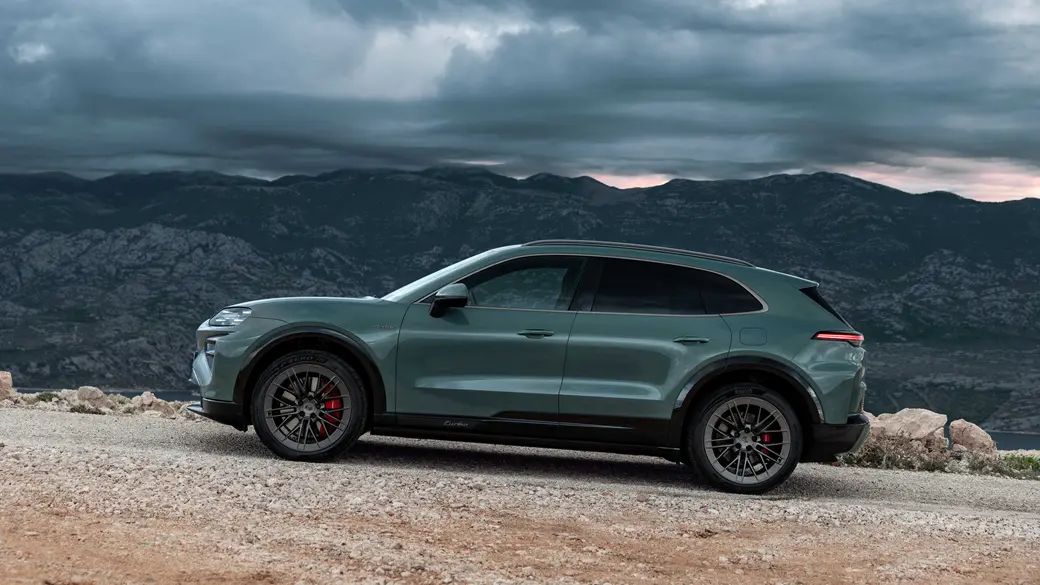
Porsche Unveils 1,100bhp Cayenne EV: Faster, Stronger, and Surprisingly More Affordable
Is the Porsche Cayenne Electric the car that finally steadies Porsche’s electric future? It feels appropriate, in a way. Just over twenty years ago, the original petrol Cayenne changed everything for Porsche. It paid the bills, widened the audience, and helped shape the brand we recognise today.
Now Porsche is trying something similar, only this time the stakes feel higher. The Cayenne Electric is the company laying all its EV cards on the table. Years of development, motorsport know how, and battery learning are baked into this one car. If buyers still hesitate, then the awkward question remains. What exactly will convince people to buy a Porsche EV in large numbers?
That doubt hangs over this launch. Porsche’s electric plans have clearly slowed. The Macan, Boxster, Cayman, and even the upcoming three-row SUV above the Cayenne are now set to continue with petrol or hybrid options. The clean switch to electric has not gone to plan.
Porsche has also confirmed that petrol and hybrid versions of the Cayenne will continue well into the 2030s. From the outside, it looks messy. Internally, it must be even worse. Still, none of that stops the Cayenne Electric from looking like a very serious piece of kit.
How big is the Cayenne Electric?
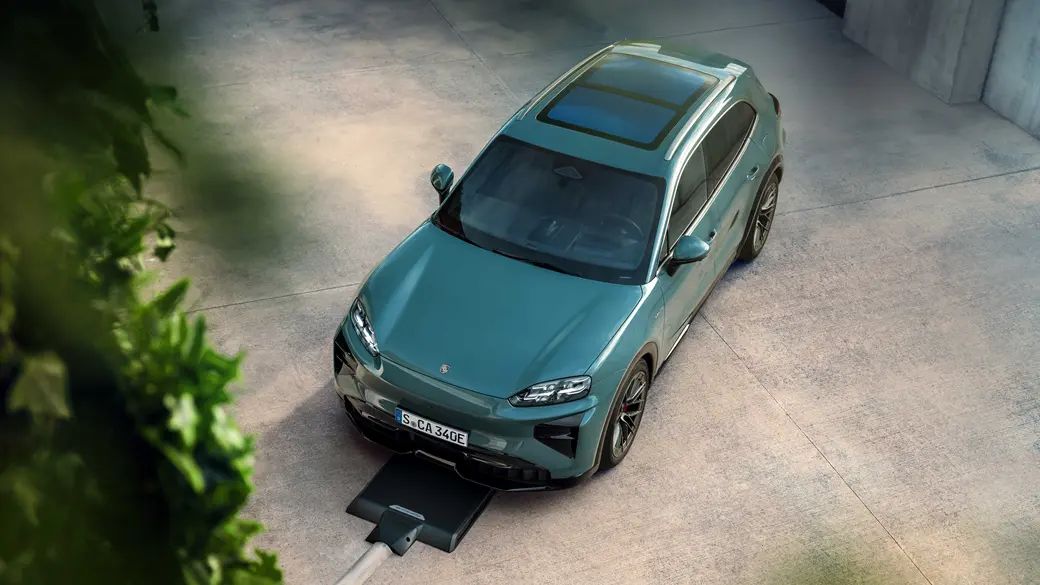
No surprises here. The Cayenne Electric is bigger and heavier than the petrol version. It measures 4985mm in length, 1980mm in width, and 1674mm in height. The key change is underneath. The wheelbase now stretches to 3023mm, which is 130mm longer than before. Rear seat space benefits the most from this.
Extra space always comes at a cost. Add in the batteries, the extra structure, and all the hardware that goes with an electric platform, and the weight climbs fast. The entry-level model tips the scales at over 2.5 tonnes before options. That is roughly half a tonne more than the base petrol Cayenne.
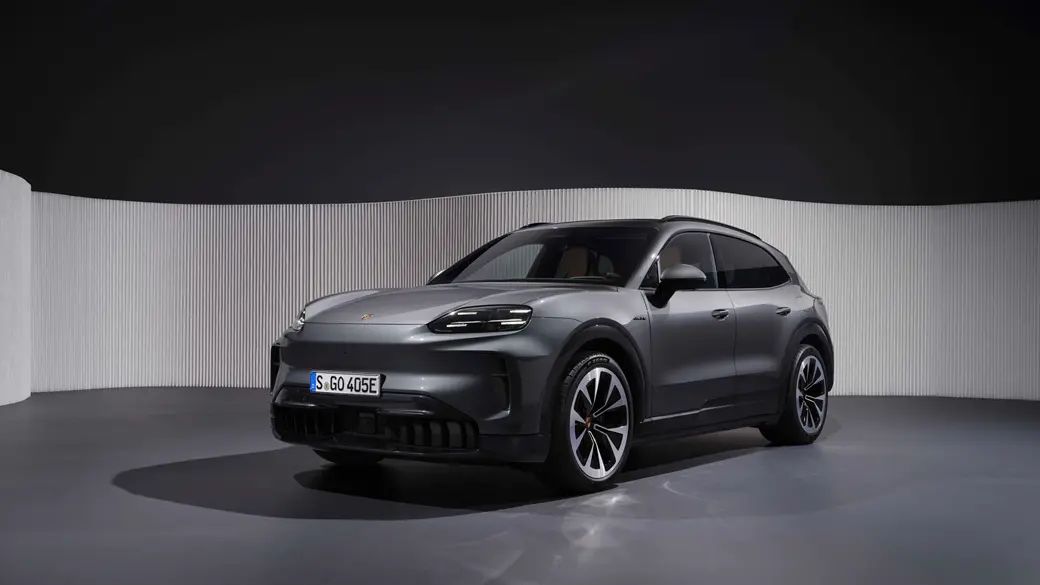
Visually, the differences are easy to spot if you know what to look for. The Electric version sits lower at the nose and wears slim Matrix LED headlights. In profile, it resembles a stretched Macan Electric. Frameless doors and sculpted side skirts help it stand apart from the petrol car.
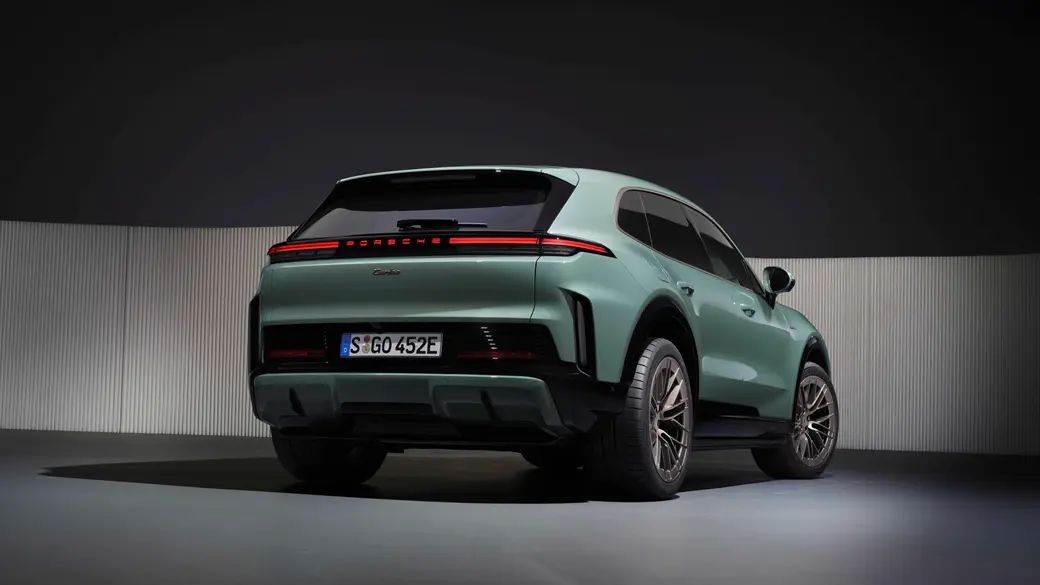
Aerodynamics clearly mattered during development. Porsche claims a drag coefficient of 0.25, which is impressive for a large SUV. At the front, adaptive cooling flaps open and close as needed. At the rear, the design sharpens up nicely. There is an adaptive roof spoiler, and on the Turbo model, active aeroblades that deploy automatically. Look closely and you will even find the coordinates of the Weissach wind tunnel etched into those blades.
Will it be fast?
Yes. Almost absurdly so.
The Cayenne Electric comes in standard form and Turbo trim. Even the base car produces 436bhp, which already puts it firmly in fast territory. The Turbo takes things to another level entirely. Maximum output is rated at up to 1,140bhp with 1,106lb ft of torque.
That headline number needs some explanation. In normal driving, power is limited to 845bhp. Press the Push to Pass button and an extra 174bhp becomes available for ten seconds, lifting output to 1,019bhp. The full 1,140bhp only appears when launch control is engaged.
Activate everything and the numbers get silly. Zero to 62mph takes 2.5 seconds. Zero to 124mph is done in 7.4 seconds. That is quicker than a 911 Turbo S. Both versions use all wheel drive with one motor on each axle. The Turbo adds direct oil cooling for the rear motor, helping keep temperatures stable and performance consistent.
Porsche claims you can perform eight full launches back to back with no noticeable drop in pace. Another detail worth noting is the gearbox. Unlike the Taycan, the rear motor uses a single speed rather than a two speed setup.
Handling is managed by standard adaptive air suspension paired with Porsche Active Suspension Management. The Turbo also gets Porsche Torque Vectoring Plus with a limited slip rear differential. Rear axle steering is optional and allows up to five degrees of movement, more than the petrol Cayenne. Porsche Active Ride is also available.
This system first appeared on the Taycan, but this is its SUV debut. Traditional anti roll bars are removed. Instead, each corner uses an active damper with a motor driven pump. The system actively counters roll during braking, acceleration, and cornering, keeping the body remarkably flat.
It works almost too well. Like the Taycan, Porsche disables it in Sport and Sport Plus modes because some drivers find the sensation odd. Porsche even mentions a so called helicopter mode, where the car tilts slightly forward under hard acceleration to increase speed.
Braking is just as extreme. Porsche talks proudly about energy recovery, claiming up to 600kW of recuperation, similar to Formula E levels. In normal driving, the electric motors handle around 97 percent of braking duties.
Even so, Porsche still offers its ceramic composite brakes on the Turbo. The front setup uses ten piston calipers and massive 440mm discs. As with the Taycan, the system occasionally applies the physical brakes to keep the discs clean.
What’s the interior like?
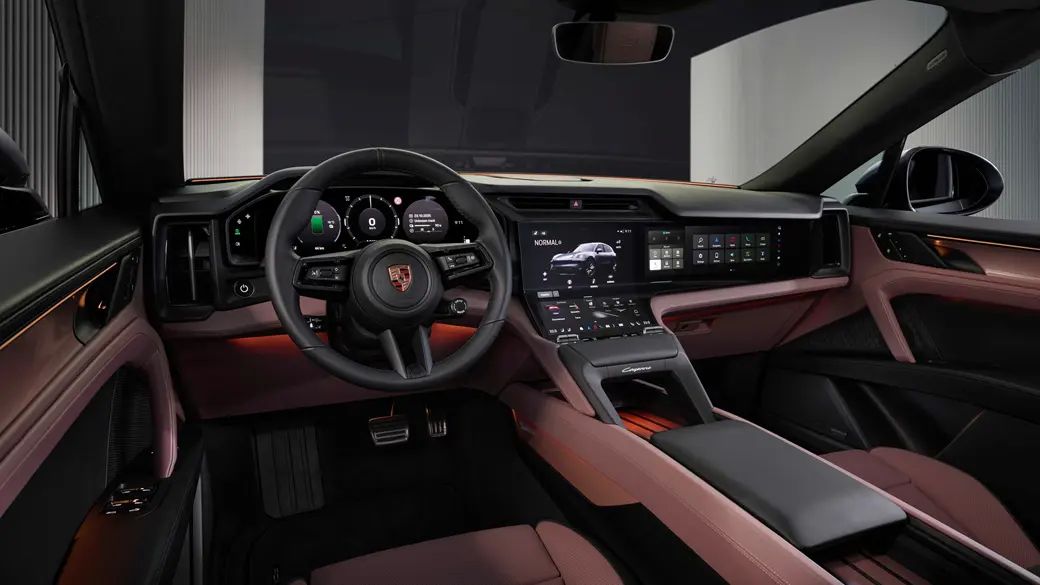
The petrol Cayenne never lacked quality inside, but Porsche has still torn up much of the old layout. The new focal point is a large curved OLED touchscreen known as the Flow Display.
It dominates the centre of the cabin and curves gently along the lower section. In use, it feels modern without being overwhelming. The software is quick and clean. Users can customise widgets along the lower part of the screen, while the upper section handles navigation, Apple CarPlay, and core functions.
A small but smart touch is the Ferry Pad. It sits below the screen and gives your wrist somewhere to rest while using the display. Physical controls for climate and volume remain, which will please many buyers.
Mood Modes are also new. These adjust seating position, lighting, air conditioning, sound settings, and display themes with a single selection.
The driver faces a 14.25 inch digital display similar to other recent Porsches. There is also an optional head up display, which Porsche says appears like an 87 inch screen viewed from ten metres away.
Passengers are not forgotten. An optional 14.9 inch screen sits in front of the front passenger, allowing video playback, navigation control, and reading while the car is moving. The driver can only view it when stationary.
Voice control is handled by a new AI driven Voice Pilot system. Porsche Digital Key allows access to be shared with up to seven devices. Panel heating is another addition, warming areas like armrests and door panels rather than just blowing hot air.
Overall, the cabin feels properly finished. Materials are excellent. The layout makes sense. Technology feels integrated rather than forced. The panoramic roof helps flood the cabin with light and, unlike the Taycan, it actually opens.
How much range and how fast can it charge?
Every Cayenne Electric uses a 113kWh battery and an 800 volt system. DC charging peaks at up to 400kW, allowing a 10 to 80 per cent charge in under 16 minutes. AC charging is limited to 11kW at launch, with 22kW support coming later in 2026.
Claimed range stands at 399 miles for the standard version and 387 miles for the Turbo.
Porsche will also offer optional wireless charging. UK cars come pre prepared, but owners must pay for the extra hardware and software to activate it. Porsche claims around 90 percent efficiency and charging speeds of up to 11kW.
Anything else?
Porsche insists the Cayenne Electric can still venture off road. An optional Off Road package alters the front geometry and enables the full 3.5 tonne towing capacity. Without it, towing is limited to 3.0 tonnes.
Sales begin in 2026. The standard Cayenne Electric starts at around £83,000, roughly £6,000 more than a basic petrol model. The Turbo opens at £131,000, which undercuts the Turbo E Hybrid by about £9,000.
Whether this car can do for Porsche’s electric future what the original Cayenne did for its finances remains to be seen. What is clear is that Porsche has not held back.
Can’t wait for Porsche Cayenne Electric? Visit Hilton Car Supermarket to explore our range of high quality SUVs. Whether you want performance, style, or top spec features without the wait, we’ve got options worth your time. Click through to see what’s in stock today and find a drive you’ll actually enjoy.
Source and Images: CarMagazine UK