
Semiconductor Disaster Hinders UK Car Production | Hilton Car Supermarket
Semiconductor Disaster Hinders UK Car Production
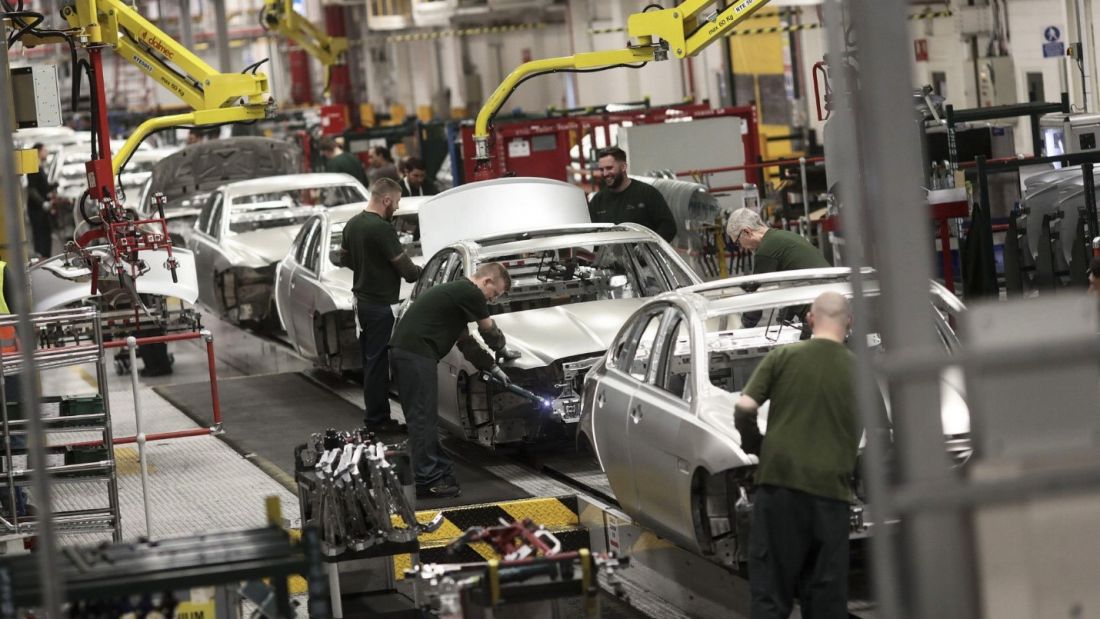
Countering the effects of the Covid-19 pandemic, the UK's automotive industry has started manufacturing a higher number of vehicles. However, the recovery numbers of UK car production are still down, compared to the same period in 2019.
According to the Society of Motor Manufacturers and Traders (SMMT), automakers developed around 55,000 vehicles in May, contrasted to only 5,314 in the same time a year earlier. Evaluating it with May 2019 numbers, the UK car production is still 50 per cent down.
Talking about the exact number of cars developed this year in the UK, we witnessed 429,826 vehicles rolling out of the assembly lines, 105,063 more than the last year. However, comparing the UK car production to the same phase in 2019, this figure is still 22.9 per cent short.
Interestingly, the production of electrified vehicles has risen, with at least one in five cars created here powered by alternative fuel and one in sixteen with batteries.
The SMMT has warned against the challenges the UK automotive industry is facing while pulling through the pandemic-ridden phase. The biggest test right now is the worldwide supply shortages, especially of semiconductors.
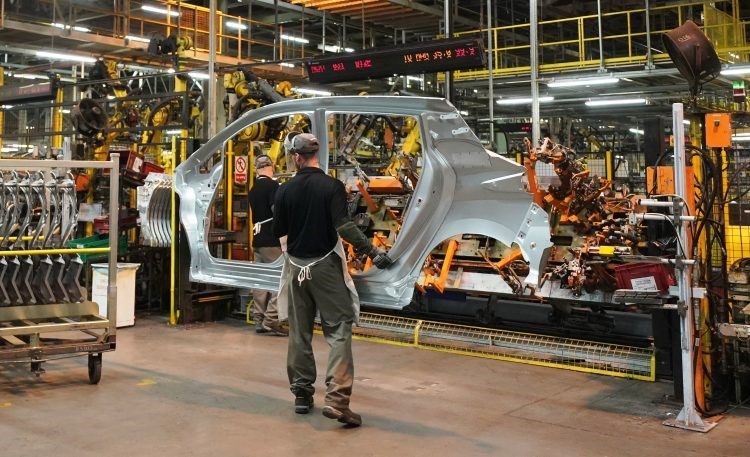
To counter this disaster, Bosch has decided to build a new plant for microchip manufacturing.
As said earlier, the development of electrified cars is growing, and most of the produced vehicles here go to satisfy consumer demands in other countries. About 83.6 per cent of all vehicles produced this year were for customers abroad.
The European Union takes the lion share of the British vehicles, enjoying 56 per cent of all exports, afterwards the US (18.3 per cent) and China (7.3 per cent).
While commenting on the situation, Mike Hawes, SMMT chief executive stated: “May's figures continue to look inflated when compared to last year's near-total standstill of production lines. The recovery of UK car production is, however, still massively challenged here and abroad by global supply shortages, particularly semiconductors.
“If the UK is to remain competitive, therefore, it must ensure it has a globally attractive policy framework for both vehicle production and the supply chain. Accelerating zero-emission UK car production is part of this package, so while one in five models made here this year is alternatively fuelled, we need to drive investment in research and development, charging infrastructure and the market to ensure we can deliver the net-zero future society demands.”
According to an industry specialist, the semiconductor crisis can become even worse if not dealt with in time.
Jim Holder, editorial director, What Car?stated that the limited semiconductor supply can match the pandemic for 'disruption and intensity.' He is requesting the industry leaders to take action now if they want to survive this disaster.
“The latest industry figures continue to show the UK car production industry is recovering from the Covid-19 pandemic,” stated Holder.
“Though manufacturing figures are still down on pre-pandemic levels, the news is encouraging, in particular as electric vehicle production continues to increase. While the UK’s first battery manufacturing plant has now been confirmed, more investment is needed if the UK is to remain a home of manufacturing and assembly for electrified vehicles in the future.”
“A more immediate concern for the industry remains the current microchip or semiconductor shortage that is impacting both vehicle supply and trim levels, which in return is affecting whether buyers opt for new or used models.”
“Our own research of 1149 in-market used buyers found 29 per cent were originally in the new car market, but have switched to the used market in search for lower prices and better stock availability. The ongoing shortage has the potential to match Covid-19 for its disruption and intensity, as there is no quick or easy fix in sight and highlights the weaknesses of even the most robust global supply chains.”
A presenter from the Department for Business, Innovation and Skills stated: “We are committed to ensuring the UK continues to be one of the best locations in the world for automotive manufacturing, and we're doing all we can to protect and create jobs. We are securing a competitive future for the?sector through a major investment programme of up to £1 billion to support the electrification of the auto supply chain, including the development of giga factories in the UK.”