
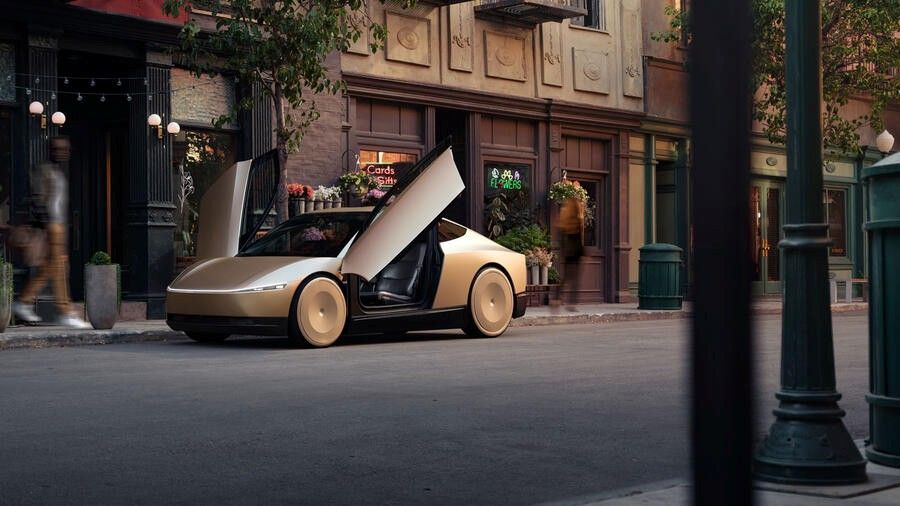
Tesla Autonomous Robotaxi Breaks Cover In The UK
Tesla's pioneering 'Robotaxi' makes its UK debut, offering a glimpse into the company's ambitious plans for a worldwide autonomous vehicle fleet.
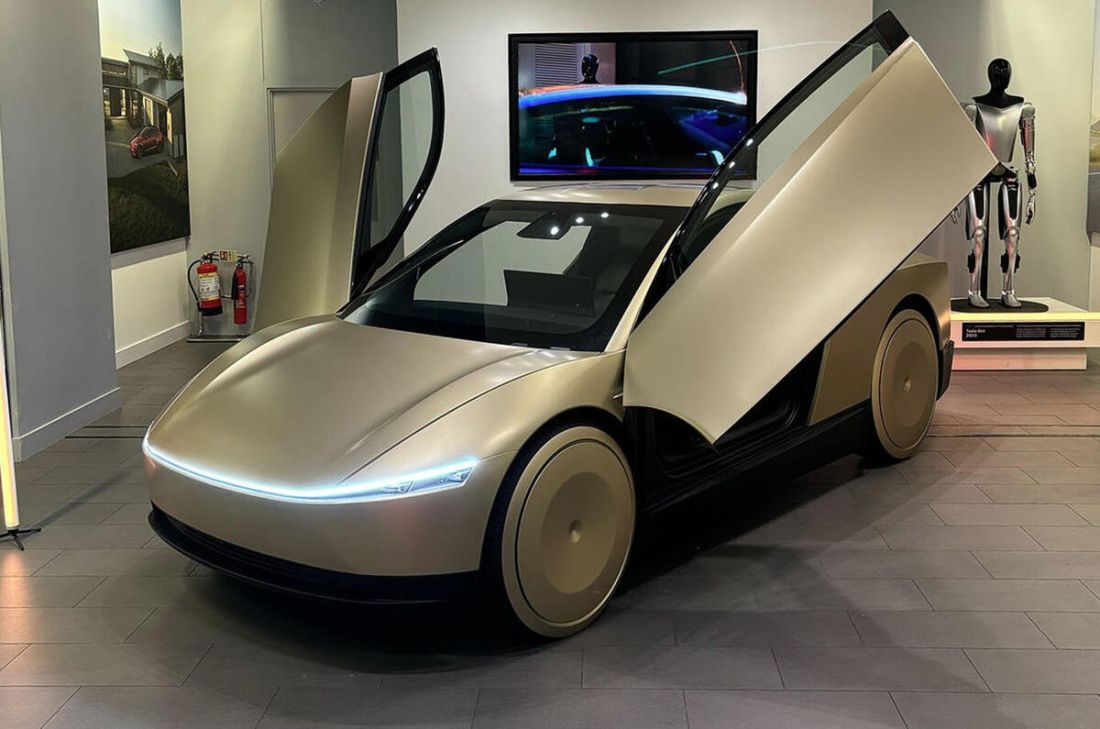
They’re calling it the Cybercab, officially speaking. Right now, it’s showcased at Shepherd’s Bush Westfield in London, just weeks after it was revealed at Warner Bros. Studios over in the US. That launch also featured a bigger, self-driving van—20 seats in total—that they’ve nicknamed the Robovan.
Neither the Cybercab nor the Robovan includes basic stuff like steering wheels or pedals. You might think, "So how do they drive?" AI runs the whole thing. They rely on cameras, ditching lidar sensors and detailed mapping tech that other autonomous cars use. A bit different, to say the least.
Charging ports? Nope, not needed. Musk said both vehicles can recharge wirelessly. That’s a leap forward compared to Tesla’s current lineup, which still needs plugs. Pretty slick if it works.
Musk was in California recently, hyping this tech at an event called “We Robot.” He said something along the lines of: “Imagine all the hours people spend driving—now imagine getting that time back. Read a book. Watch a movie. Get work done. Whatever you want.” Makes sense, honestly.
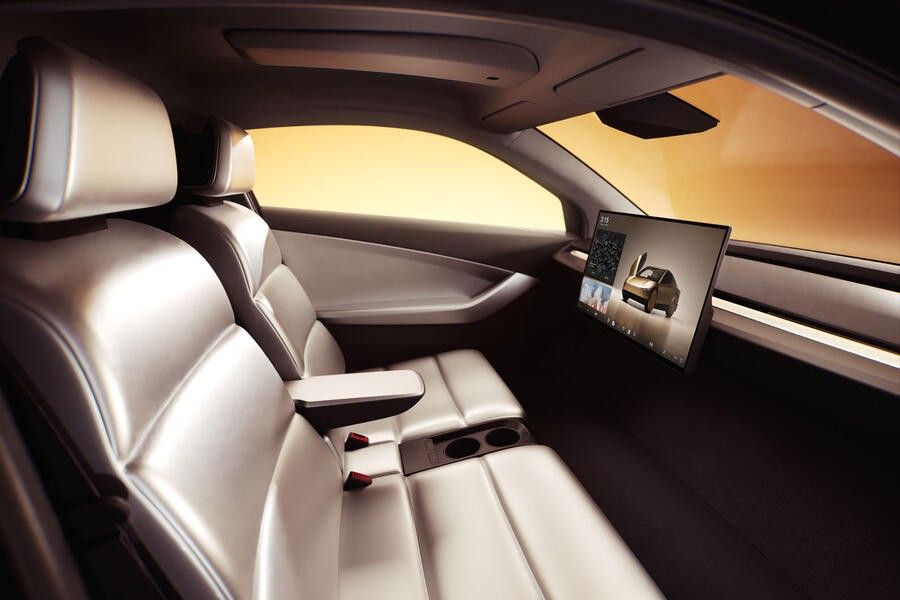
Inside the Cybercab, they’ve kept it simple. It’s got two seats, cupholders, an armrest, and a big touchscreen in the middle. If you’ve seen the Model 3, it’s kind of like that. No rear window, though, because it follows the weird Cybertruck design. Storage in the back, but nothing fancy.
When’s it coming? Musk says Tesla’s aiming for 2027. Price? Around $30,000 in the US, or about £23,000 in the UK. But the Robovan? No dates or prices there yet. And no word on when—or if—these will hit markets outside America. Typical Musk, keeping things vague.
Before those vehicles hit production, Tesla wants to upgrade its current Full Self-Driving (FSD) tech. Right now, it’s “supervised,” which means drivers need to stay alert. The plan is to get it certified as “unsupervised” by 2025. That’s the version where you could literally sleep while the car takes you home. Musk called it a “glorious future.” We’ll see.
The idea for the Cybercab is that it works like Uber or Bolt. Summon it via an app, and you’re good to go. Musk also hinted that owners could rent out their cars when they’re not using them—like turning your ride into a side hustle.
This concept’s been on Tesla’s roadmap for a while. Originally, Musk wanted robotaxis on the road four years ago. That didn’t happen, obviously. Meanwhile, competitors like Waymo and Cruise already have driverless taxis running in some cities, though none of them offer full autonomy yet.
It’s not like Musk hasn’t missed deadlines before. Even at the Cybercab’s unveiling, he admitted his timelines tend to be “a little optimistic.” That’s putting it mildly.
Technical specifics? Not much to share yet. The Cybercab might use a new platform initially intended for Tesla’s so-called “Model 2,” a more affordable car they scrapped to focus on robotaxis. What will it actually deliver? Time will tell.
The Cybercab shows an exciting future for mobility, but a distant future. In the meantime, it is practical to check out affordable used cars in the UK from trusted brands like Toyota, Honda, Hyundai, and so on.
Source and Images: AutoCar UK