
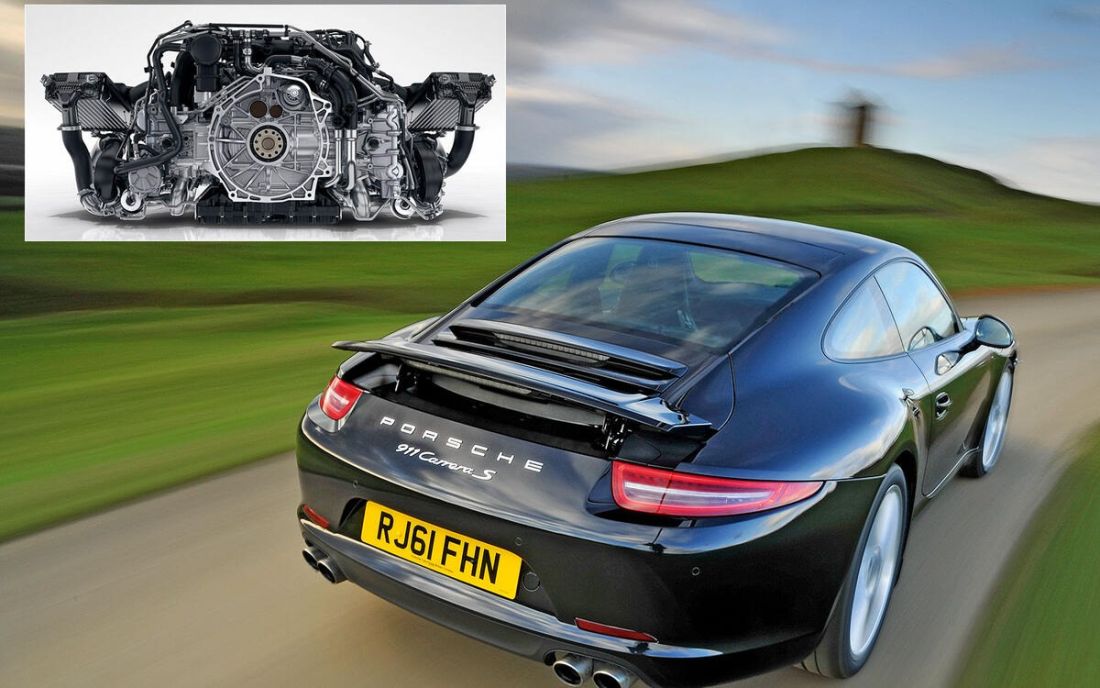
The 12 Most Legendary German Engines of All Time
In 14 decades of innovation, Germany’s engine designs have grown from humble beginnings to monumental creations. From everyday use to record-breaking beasts, the variety is astonishing. Picking just 12 highlights inevitably means some gems don’t make the cut. Here’s my take, though it’s tough to leave anything out:
Audi R10 TDI
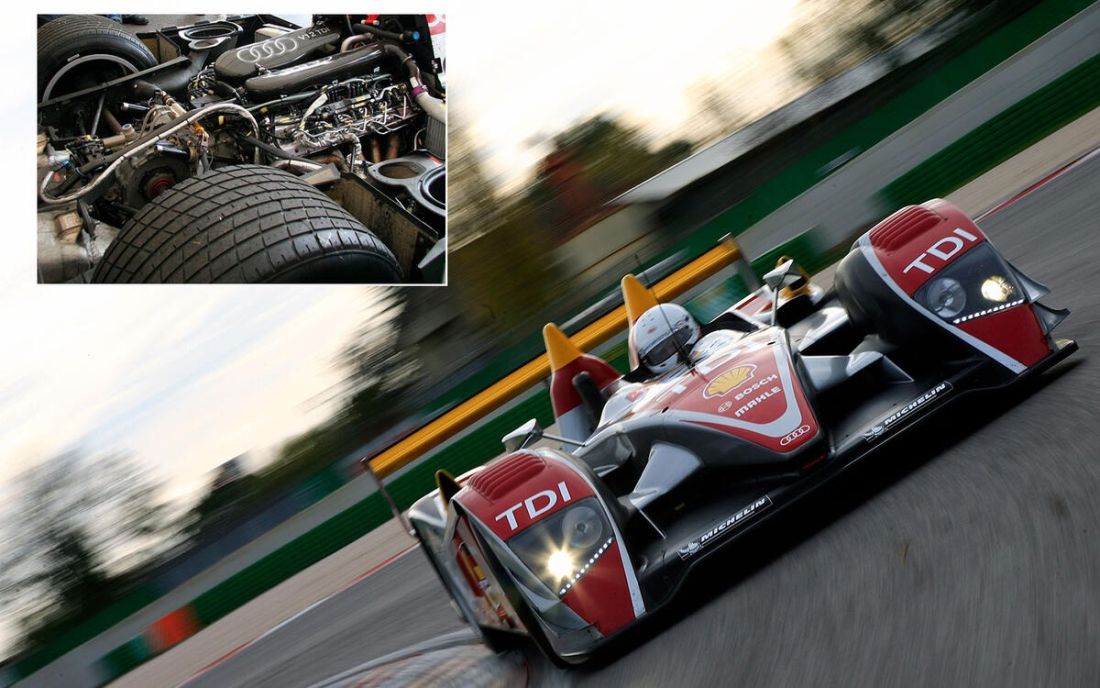
Picture this: a twin-turbocharged V12 diesel with a 5.5-litre displacement. Audi introduced it in 2006, and what a debut it was. The R10 TDI crushed it at Le Mans, Sebring, and the LMP1 class of the American Le Mans Series. Diesel engines had never pulled off such feats before. By 2007 and 2008, it was still going strong, repeating victories before being replaced by the R15 TDI, a 5.5-litre V10. While a milestone for Volkswagen Group’s diesel engineering, the legacy soured over time. Seeing a TDI badge on a race car now? Don’t hold your breath.
Audi R5
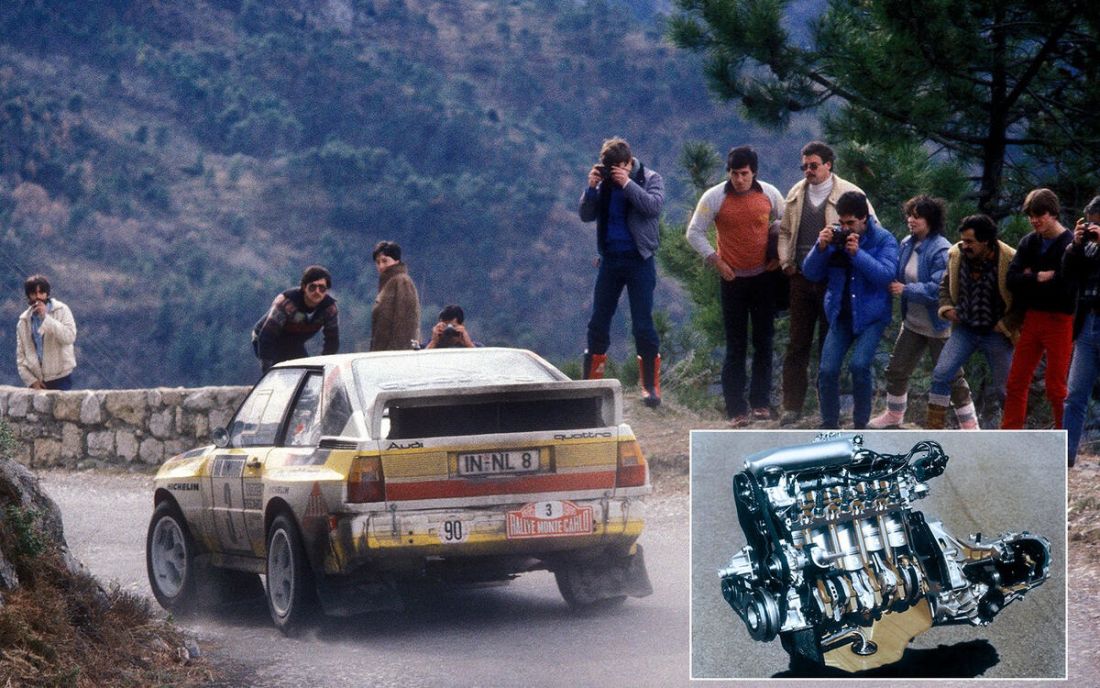
Not every engine needs to win races to shine. Audi’s five-cylinder R5 series, used in Audis and Volkswagens, earned its fame in the 1980s. Especially notable was the 2.1-litre turbo found in the Audi Quattro. Two valves per cylinder at first, then four later on. This engine's grunt helped Audi dominate rally stages, combining immense power with the traction of pioneering all-wheel drive. Gravel roads became playgrounds.
Auto Union V16
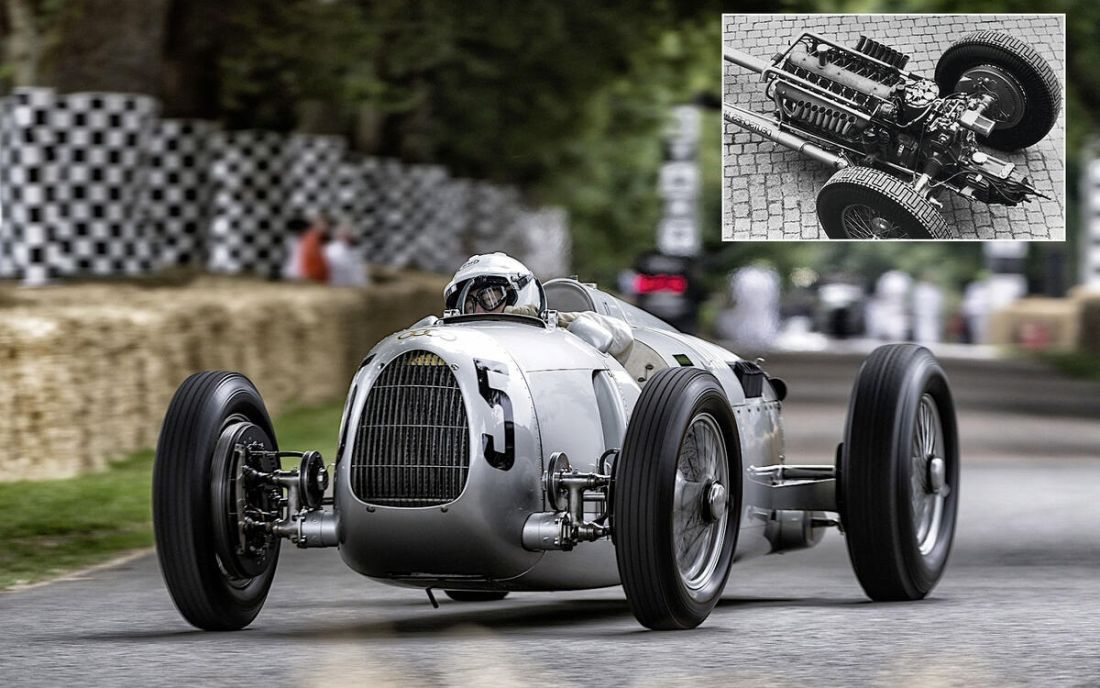
The Auto Union V16 engine, created during the 1930s, embodied raw force. Porsche designed it, and though it didn’t rev very high—never reaching 6000rpm—the torque it produced was thunderous. Its final iteration, built to shatter speed records, boasted a 6.3-litre capacity and churned out 545bhp. By 1938, new regulations meant Auto Union had to pivot to a smaller 3.0-litre V12 for Grand Prix races, but the V16’s legacy as a powerhouse lives on.
Benz Patent Motorwagen
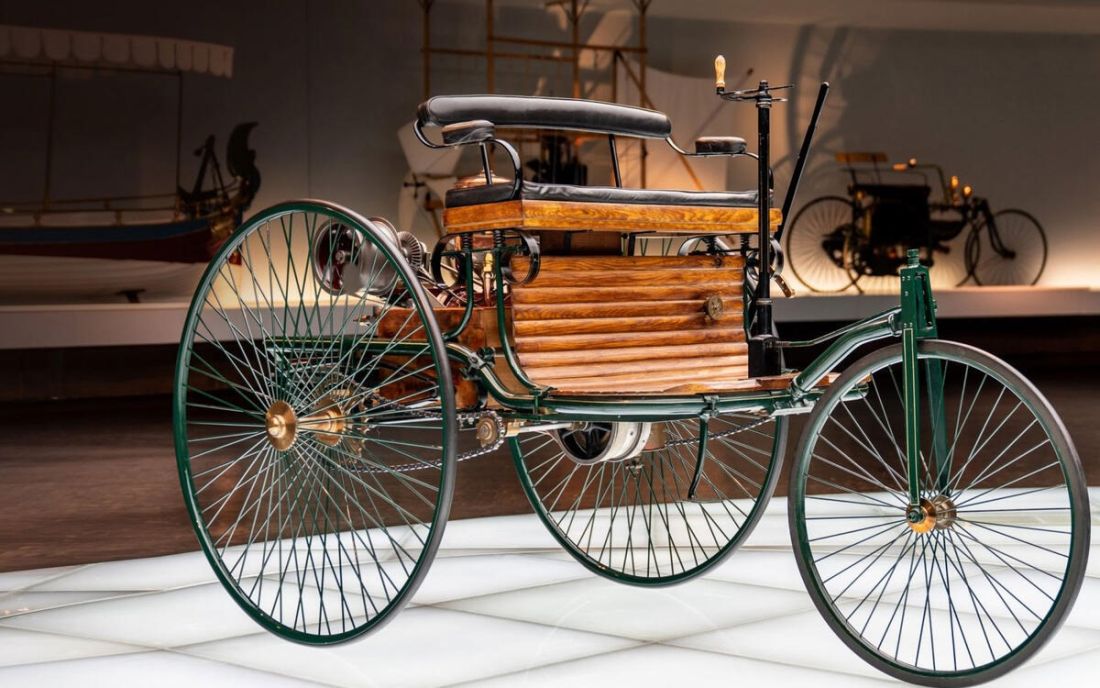
A single-cylinder engine with less than 1bhp doesn’t sound impressive today. Yet Karl Benz’s 954cc creation in 1885 is a cornerstone of automotive history. Without it, his Patent Motorwagen—the world’s first car—wouldn’t have existed. Later versions packed a bit more punch, reaching 2bhp. Imagine that: two horses of power, with none of the manure.
Blitzen Benz
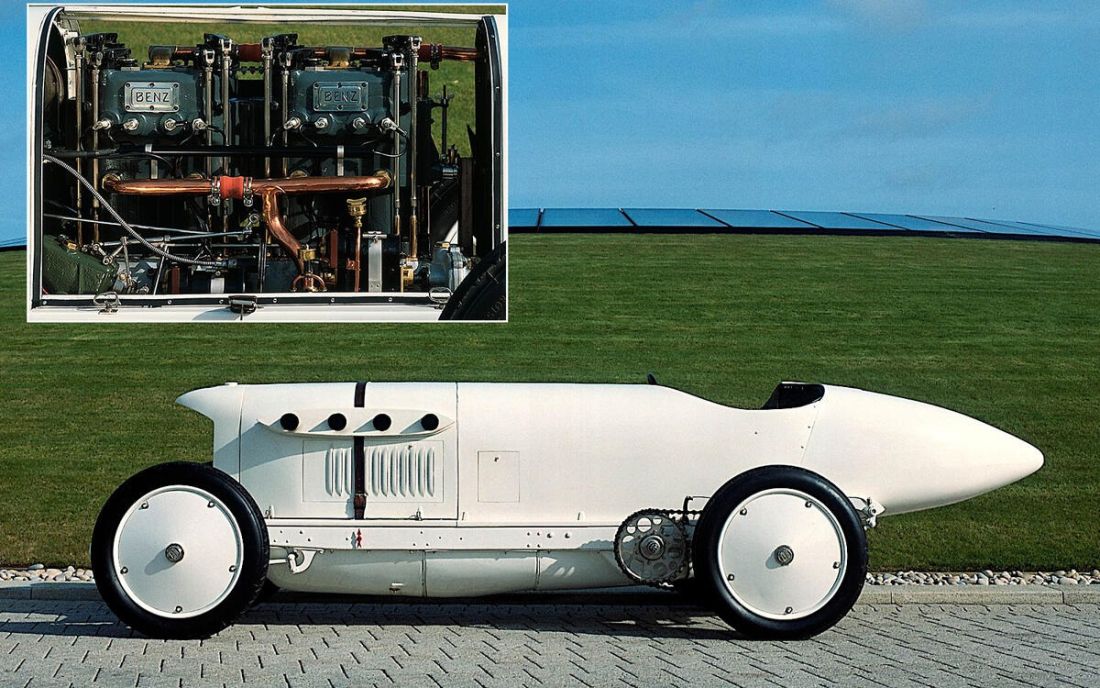
Now this is wild. In 1908, Benz cars with 12-litre engines competed in the French Grand Prix. Then they went bigger—21.5 litres—for the legendary Blitzen Benz. Six were built, and in 1909, one hit 200km/h (124mph) during a Land Speed Record attempt. By 1911, Bob Burman unofficially clocked 142mph in one of these monsters, setting a new high for both cars and planes of the era.
BMW M20
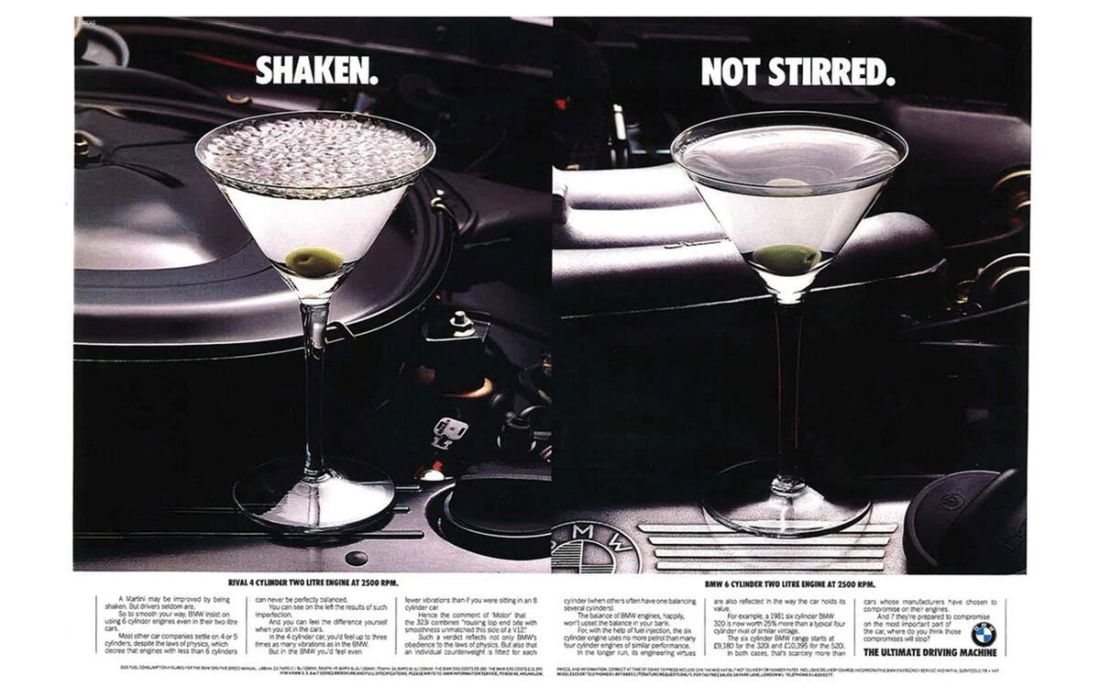
BMW’s straight-six engines are famous for smoothness, and the M20 is a prime example. Debuting in 1977, it ranged from 2.0 to 2.7 litres, gracing the 3 and 5 Series before being retired in the early ’90s. While mostly seen in sedans, it also powered the radical BMW M1 roadster. A 1980s ad highlighted the 2.0-litre M20’s refinement compared to its four-cylinder competition, proving smooth doesn’t have to mean dull.
BMW S14
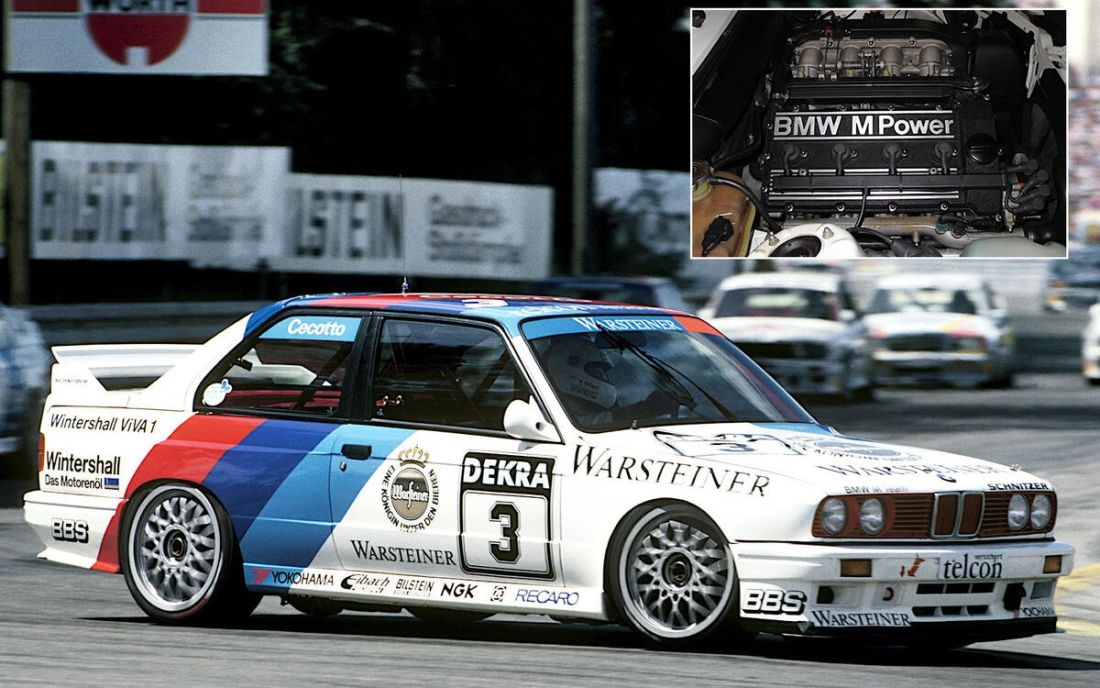
The S14 engine was BMW’s high-revving four-cylinder champion. Found in the first-gen M3, it began as a 2.3-litre, later growing to 2.5 litres for road use. Motorsport versions often shrank to 2.0 litres due to rules. Its scream was iconic, especially in rallying, but it was circuit racing where this engine excelled. The M3 cleaned up in championships worldwide, from Europe to Australia.
BMW N74
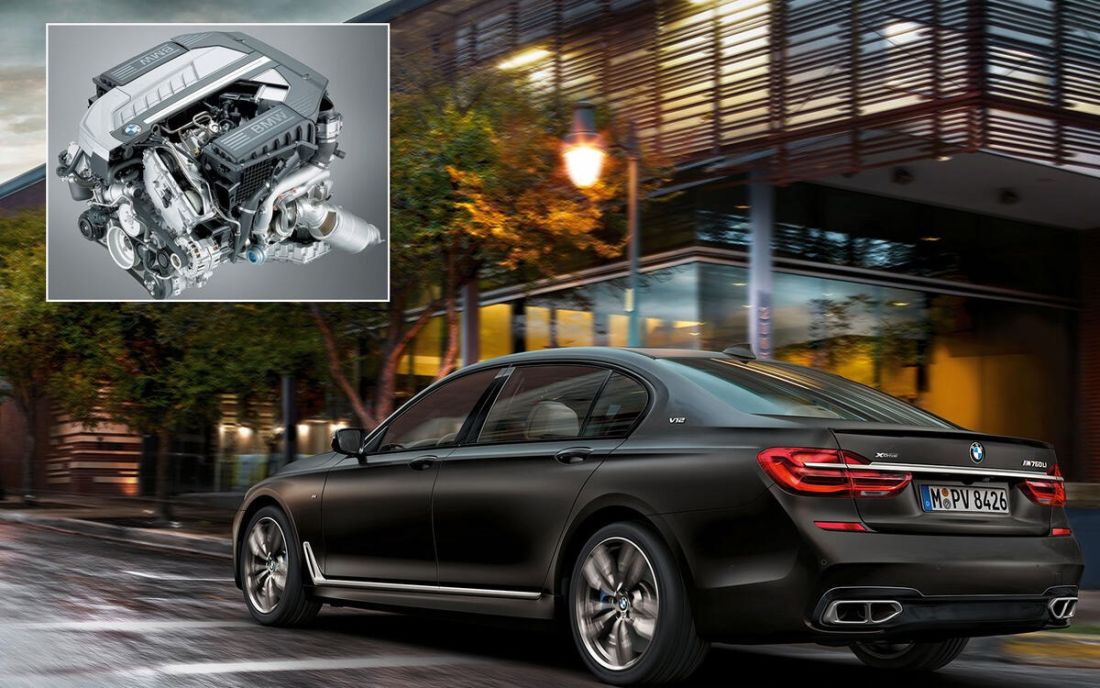
Here’s something different: a twin-turbocharged V12. BMW’s N74, with capacities between 6.0 and 6.75 litres, wasn’t about sportiness. Its 540-620bhp powered the plush 7 Series and even Rolls-Royces like the Ghost and Phantom. The N74 showed luxury could come with a roar, even if quietly muffled.
Bugatti W16
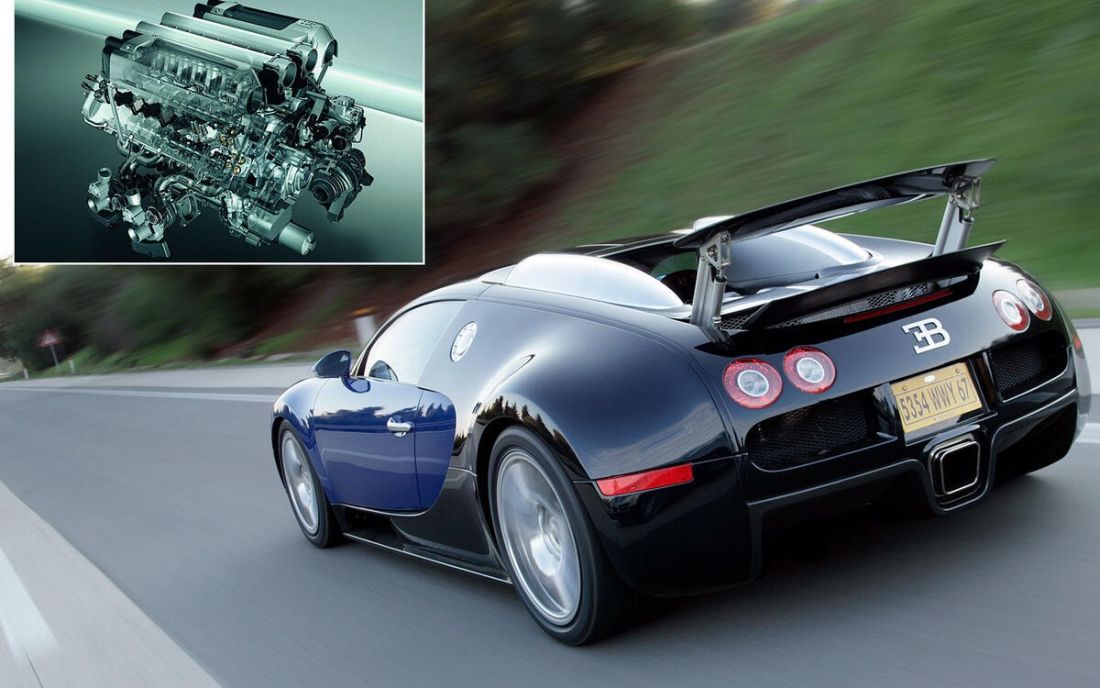
Though Bugatti is French, the W16 engine has German roots via Volkswagen. Imagine mounting two 4.0-litre V8s on a shared crankcase, then adding four turbos. That’s the W16. It debuted in 2005 in the Bugatti Veyron, making 987bhp. The follow-up, the Bugatti Chiron, upped that to 1479bhp. Engineering at this scale is as excessive as it is breathtaking.
Daimler DB603
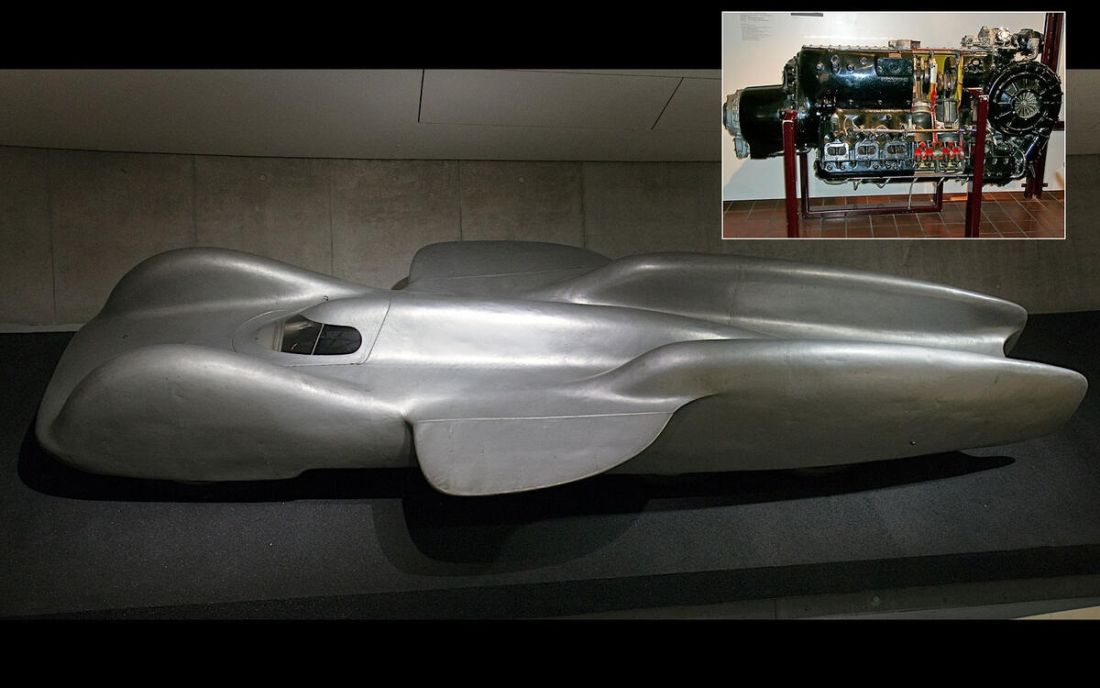
The DB603 wasn’t for your average car. Mercedes-Benz created this 44.5-litre V12 in the 1930s for the T80, a car designed to break the Land Speed Record. It made 3000bhp, which should have been enough. But World War II interrupted things, and by the time Mercedes could try again, the record had surpassed their target. The T80 never ran.
DKW Two-Stroke
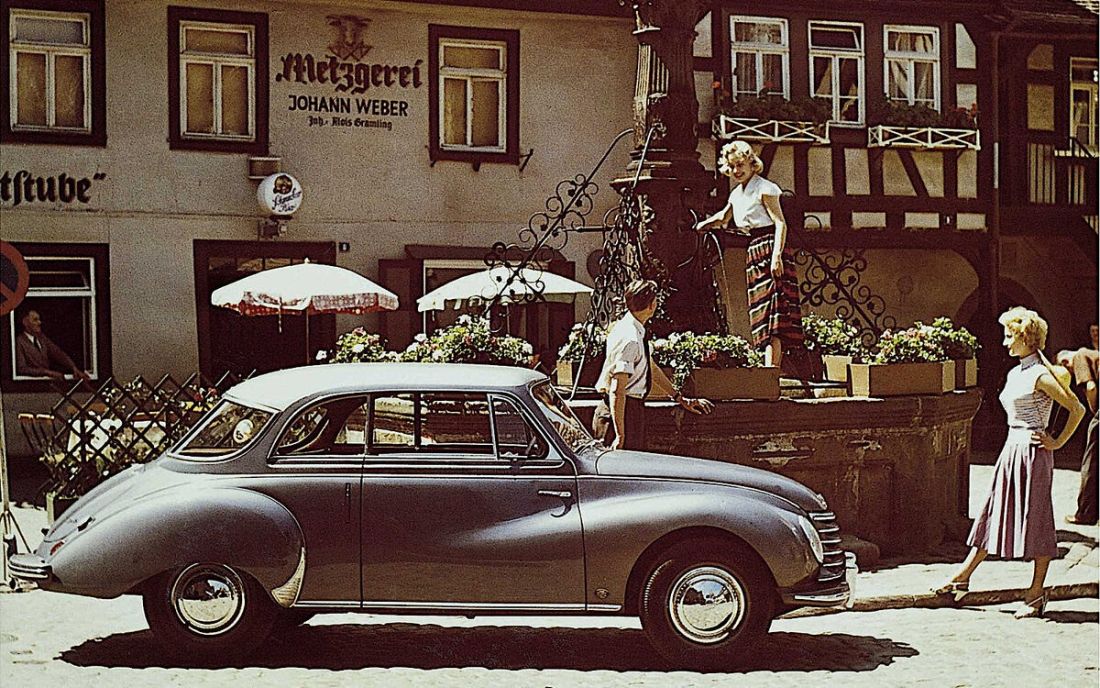
DKW mastered two-stroke engines in the early 20th century, using a patent for loop scavenging and fiercely defending it. At its peak, the company was the top maker of two-stroke cars and motorcycles. In 1928, it even bought Audi. Ironically, DKW’s four-stroke F103 from the 1960s signaled its own end, as Volkswagen, its new owner, shifted focus to Audi instead.
MAN B&W 11G95ME-C9.5

Finally, let’s talk about scale. The 11G95ME-C9.5 marine engine from MAN, a Volkswagen subsidiary, powers ships like the 400-metre MSC Jade. This two-stroke behemoth produces 103,000bhp at a leisurely 80rpm. Its 26,977-litre capacity outclasses anything on land or sea.
Even when engines are retired or outdone, their stories remain as loud as the machines themselves.
Source and Images: AutoCar UK