
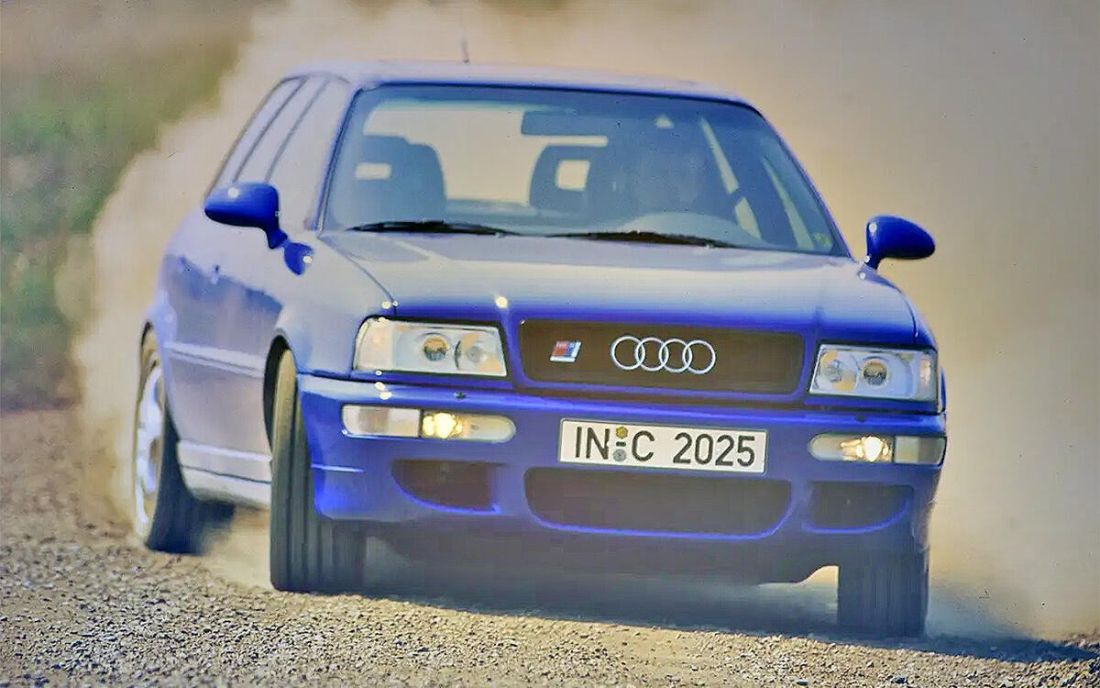
The Definitive List of the Best Modern Audis
Audi's comeback seemed unlikely. Yet, it turned into a symbol of German engineering, precision, and style. I find it fascinating how a carmaker with such humble beginnings could achieve this.
When it comes to internal-combustion engines, Audi may very well be the gold standard. With a history brimming with iconic models, narrowing down its top contributions is no easy feat. But here’s my take on the highlights from Audi’s most significant 40 years.
Audi Super 90 (1966)
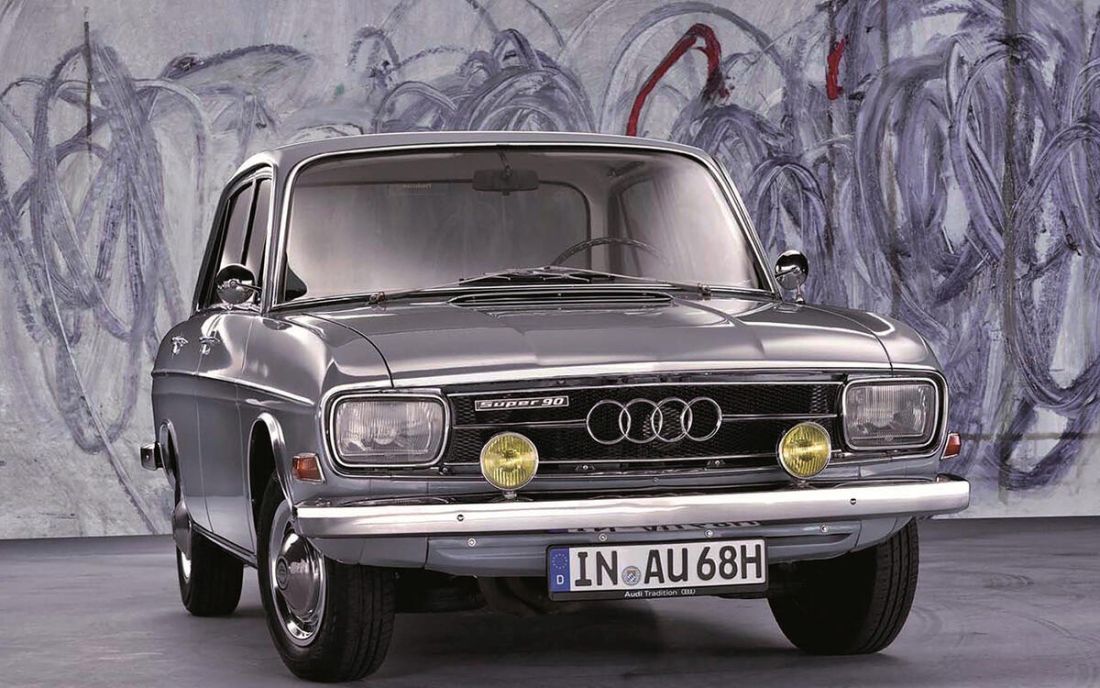
Back in the mid-60s, the Auto Union’s fate changed hands—from Mercedes-Benz to Volkswagen. With that, the outdated and smoky DKW models were soon phased out. The DKW F102 was re-engineered to accommodate four-stroke engines rather than two-stroke ones, marking the beginning of Audi's rise. They even revived the "Audi" name, which hadn’t graced a car since 1939. Of all the F103 series, the Super 90 stood out. It had a 1.8-liter engine with a twin-choke carburetor, producing 89 horsepower. For its time, hitting 100 mph was no small feat.
Audi 100 (1968)
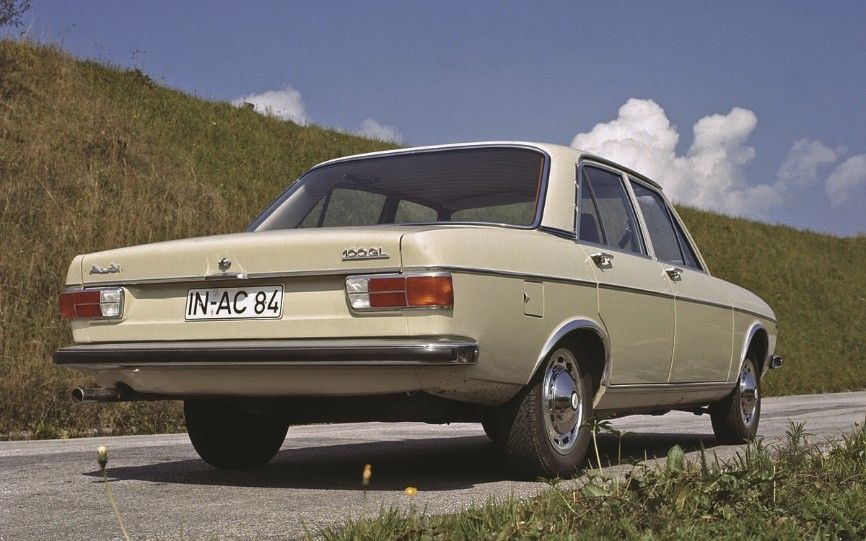
The Audi 100 wasn’t just a car; it was a declaration of independence for the brand. This was the first all-Audi design. While its drivetrain still borrowed elements from its predecessors, it showcased innovation with a new strut front suspension. Add to that a sleek, executive saloon design. Buyers flocked to it—some of whom might otherwise have considered a Rover 2000 or Citroën DS. When they added fuel injection to the 1.9-liter engine in 1975, the model’s appeal grew even stronger.
Audi 100 Coupé S (1969)
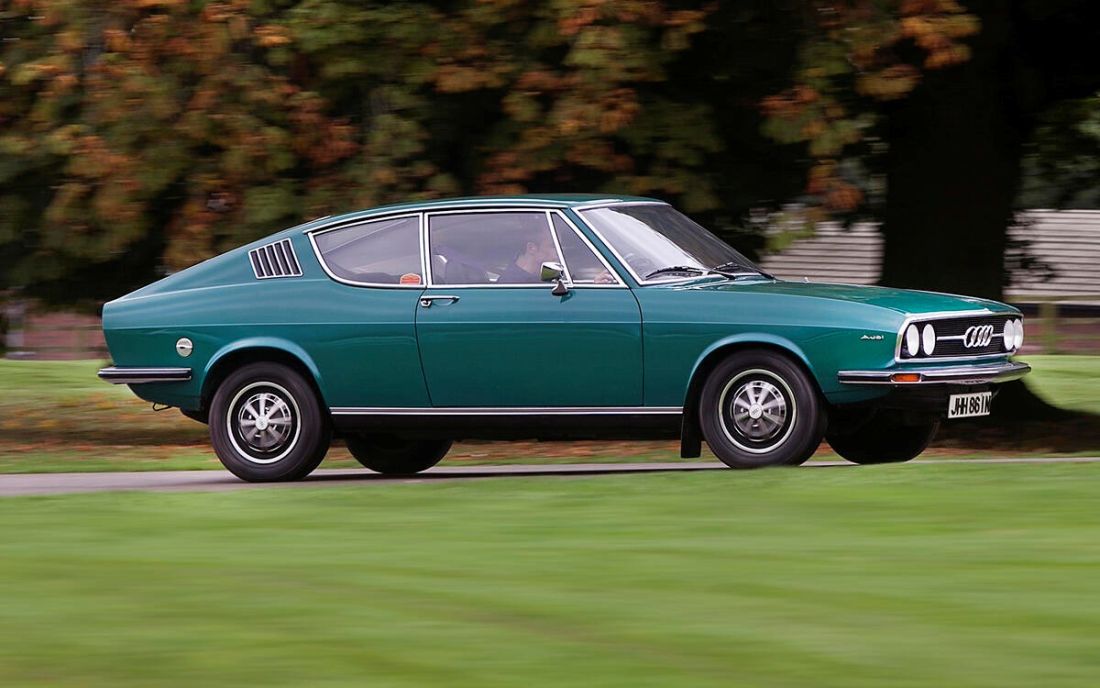
In 1969, Audi added flair to function with the 100 Coupé S. Reviewers couldn’t help but compare it to a scaled-down Aston Martin—a compliment Audi surely welcomed. Its 115-horsepower engine came with fuel injection, and it boasted vented disc brakes for added performance. Despite its stylish looks and spacious interior, only about 30,000 units were sold in seven years, making it somewhat rare.
Audi 80 GTE (1975)
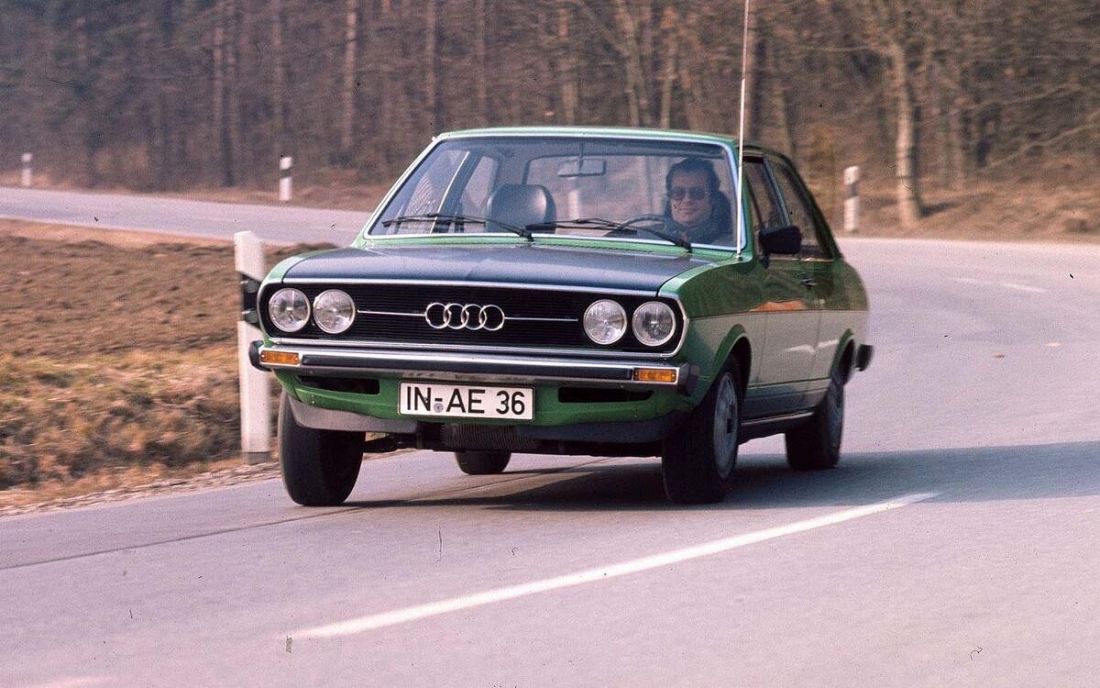
Audi entered the compact saloon market in 1972 with the Audi 80, which immediately received accolades like European Car of the Year. While it earned praise for its quality and comfort, it lacked excitement. That changed in 1975 with the GTE. Its 1.6-liter engine, paired with Bosch K-Jetronic fuel injection, delivered 110 horsepower. Suddenly, the Audi 80 transformed from mild-mannered to lively. Fun fact: this engine also powered the first Volkswagen Golf GTI.
Audi 200 Turbo (1979)
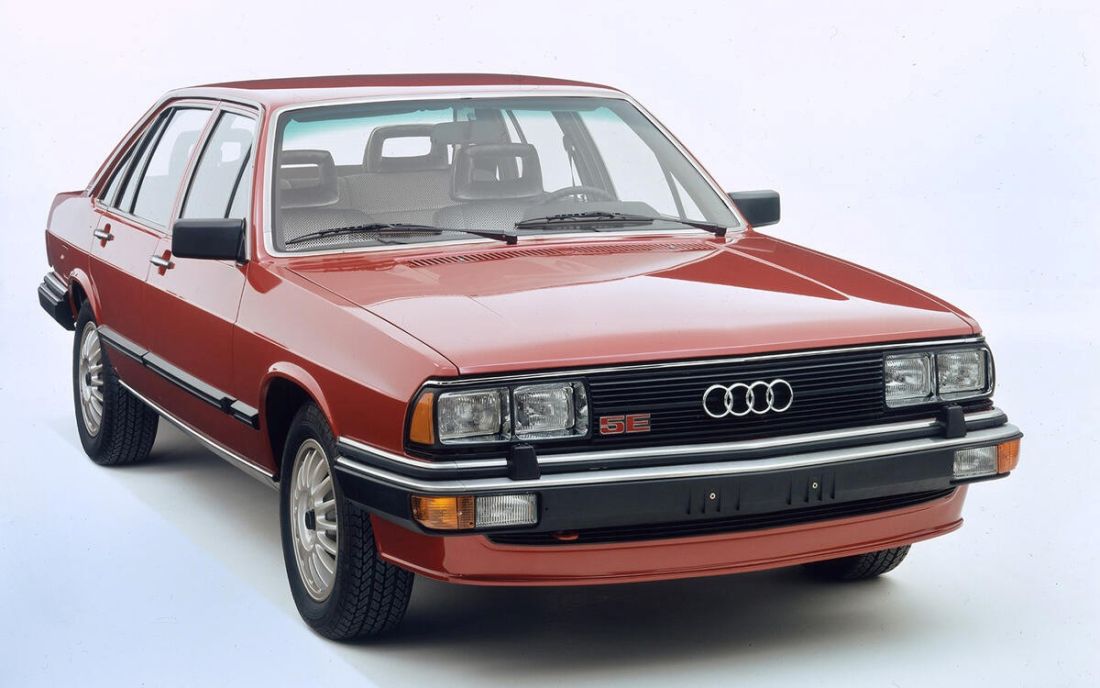
Not many remember the Audi 200 Turbo today, but it marked the company’s first foray into super-saloon territory. The turbocharged five-cylinder engine produced 170 horsepower, pushing the car to 139 mph. It was quick, hitting 60 mph in just 7.5 seconds. However, all that power funneled through the front wheels could be challenging to manage. Known as the Audi 5000 in North America, this car deserves more recognition.
Audi Quattro (1980)
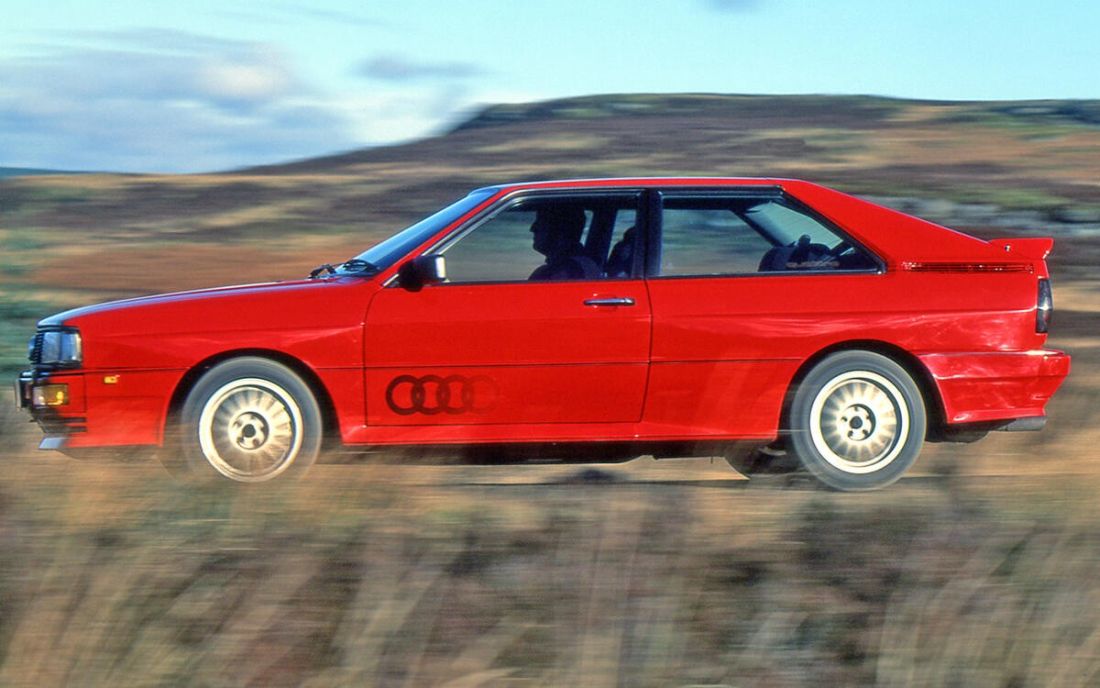
If there’s one car that changed Audi’s trajectory, it’s the Quattro. Pairing four-wheel drive with a turbocharged engine, the Quattro delivered unmatched performance and road grip. When anti-lock brakes were added in 1981, it became nearly untouchable. Its rallying dominance only cemented its legendary status. Even today, its Audi 80 Coupé roots are almost unrecognizable in the final product.
Audi Sport Quattro (1984)
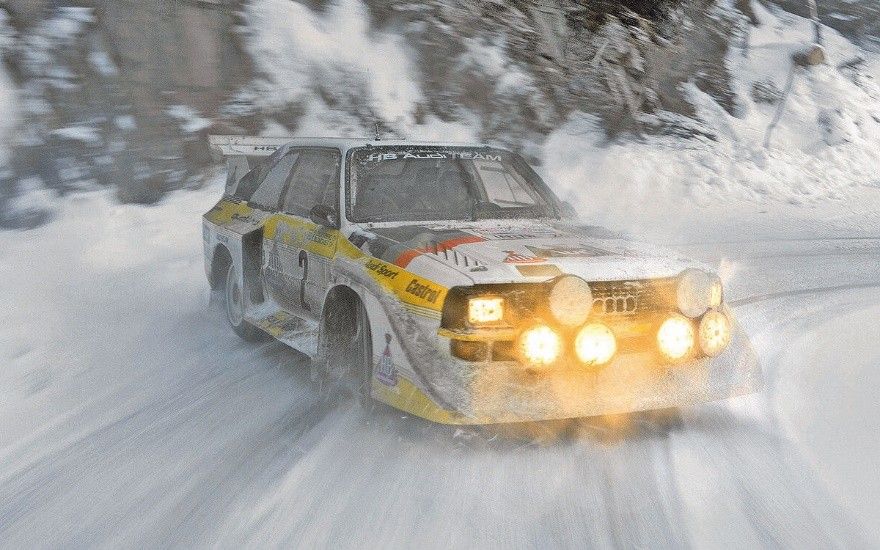
The Sport Quattro, with its shorter chassis, was Audi’s ticket to dominating Group B rallying in 1984. Although Group B was later banned for its extreme speeds, the Sport Quattro didn’t fade into obscurity. It found fame scaling Pike’s Peak in the U.S. Road-going versions were sold with a 302-horsepower alloy engine. Unsurprisingly, these cars are highly collectible today.
Audi 200 Avant (1989)
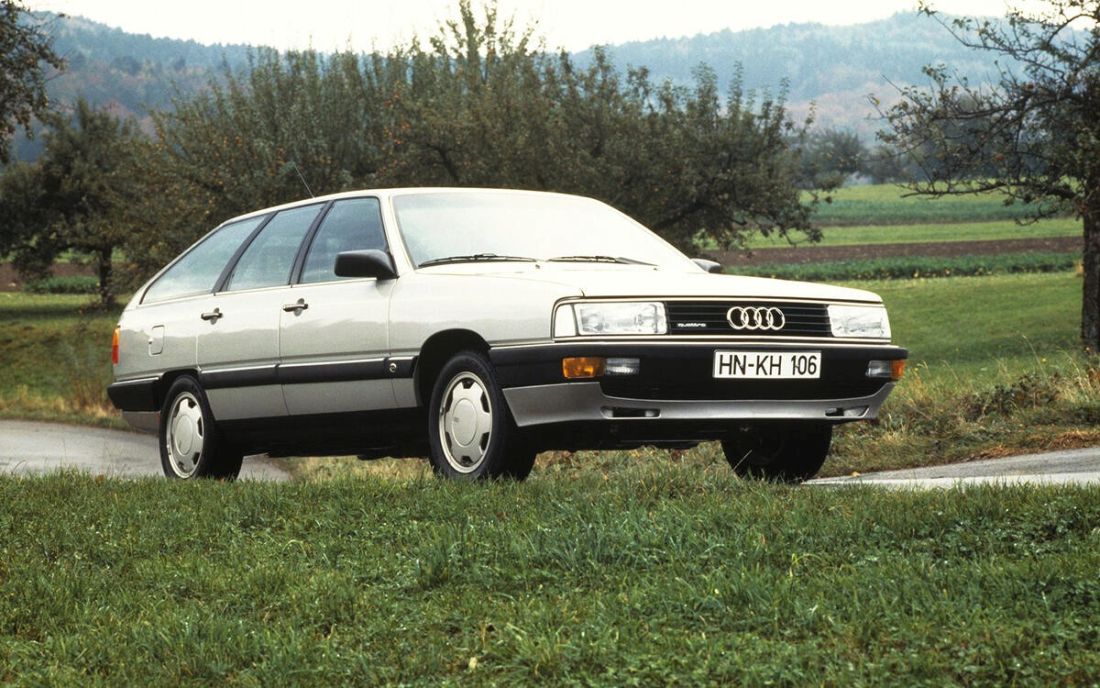
For anyone wanting practicality without sacrificing performance, the Audi 200 Avant was the answer. This estate car offered 200 horsepower from a turbocharged five-cylinder engine and quattro all-wheel drive. Inside, it was luxurious, with cutting-edge tech for the time, including an in-car CD player. It was a pricey but desirable package.
Audi V8 (1991)
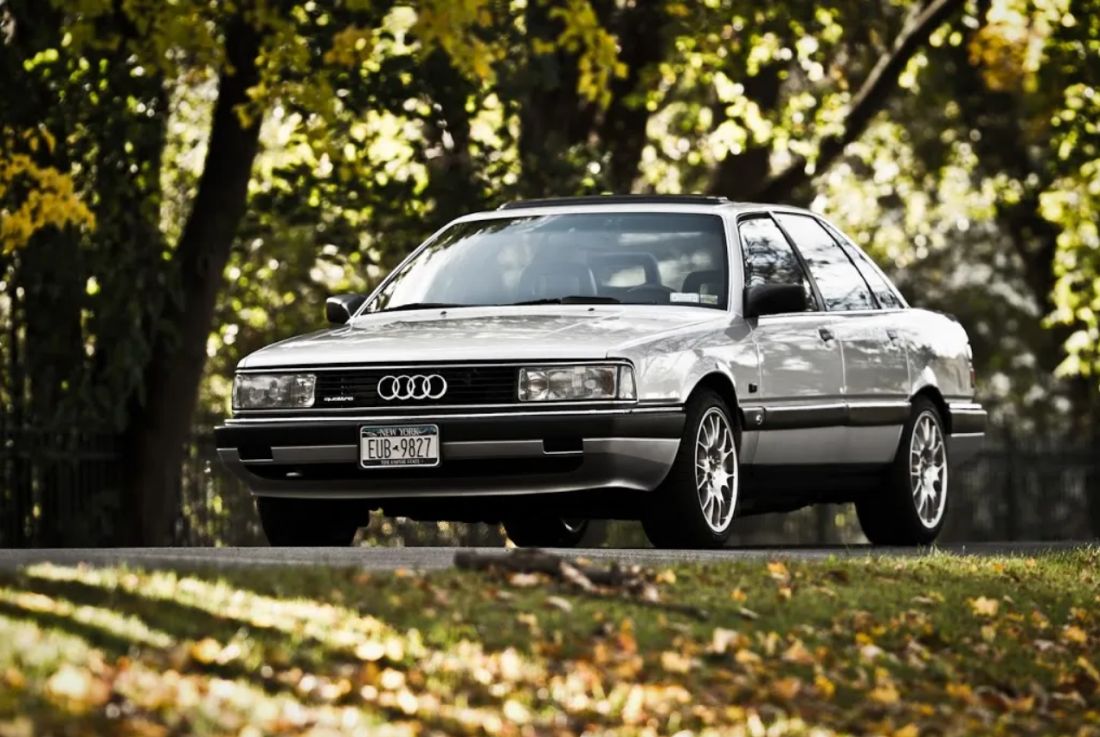
Audi’s ambitions to rival Mercedes-Benz and Jaguar took form with the Audi V8. This was the brand’s first car to feature an aluminum V8 engine, available in 3.6-liter and later 4.2-liter versions. It also paired an automatic transmission with quattro all-wheel drive for the first time. However, its modified Audi 100 body left some underwhelmed, despite the availability of a limo version called the Lang.
Audi A3 (1996)
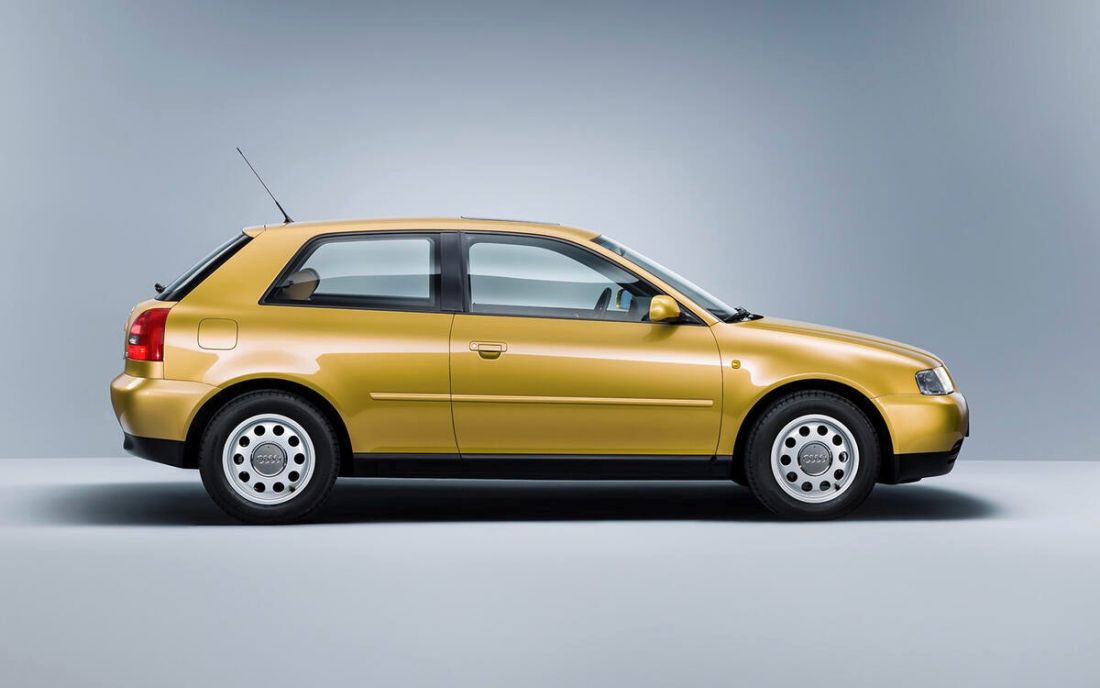
The Audi A3 was a game-changer. It introduced a compact hatchback to Audi’s lineup, a segment previously untouched by the brand. Buyers couldn’t get enough of it. Available as three- or five-door models, the A3—and its high-performance S3 variant—set new standards in the compact car market. Even now, I can’t think of a better car in its class from the ’90s.
Audi Steppenwolf (2000)
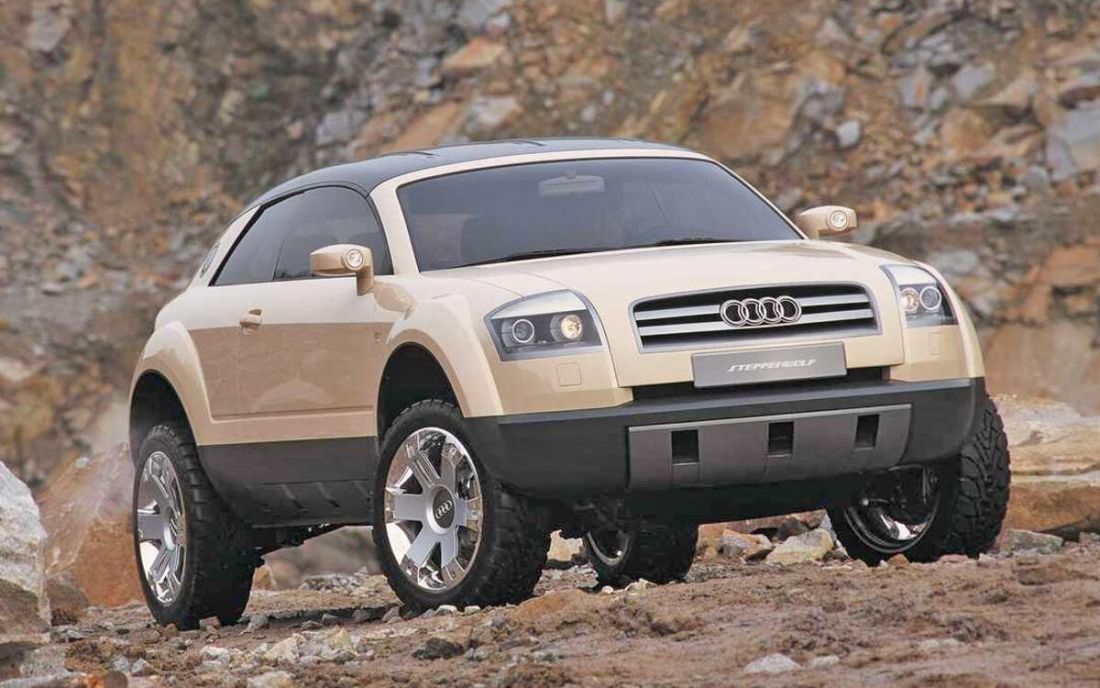
Though it never went into production, the Audi Steppenwolf concept hinted at the future. This three-door crossover combined ruggedness with innovation. Its carbon-fiber removable roof and 3.2-liter V6 engine made it stand out. Years later, its influence could be seen in the production Q3. For a concept car, its relevance has endured surprisingly well.
Audi RS 6 (2002)
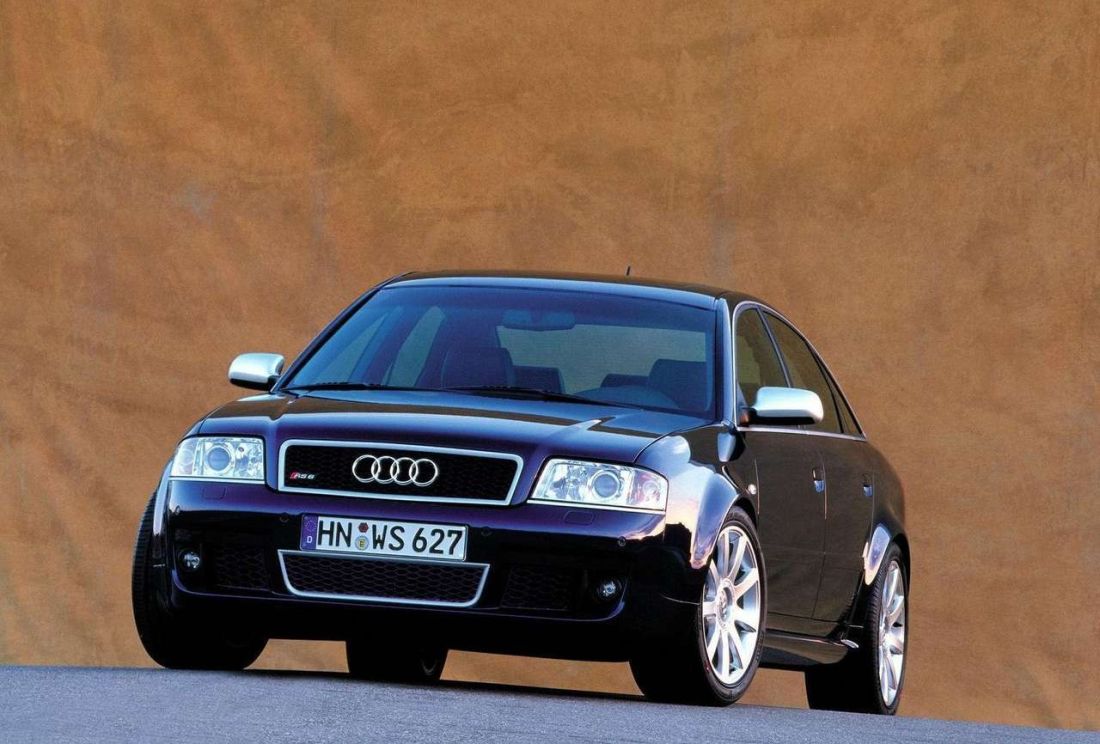
When the RS 6 debuted, it redefined performance for saloons and estates. Its twin-turbocharged 4.2-liter V8, developed with help from Cosworth, generated 444 horsepower. Available with either a saloon or Avant body, it was as practical as it was fast. Although the five-speed Tiptronic automatic was the only transmission offered, it was more than enough to handle this beast’s capabilities.
Audi Le Mans Quattro (2003)
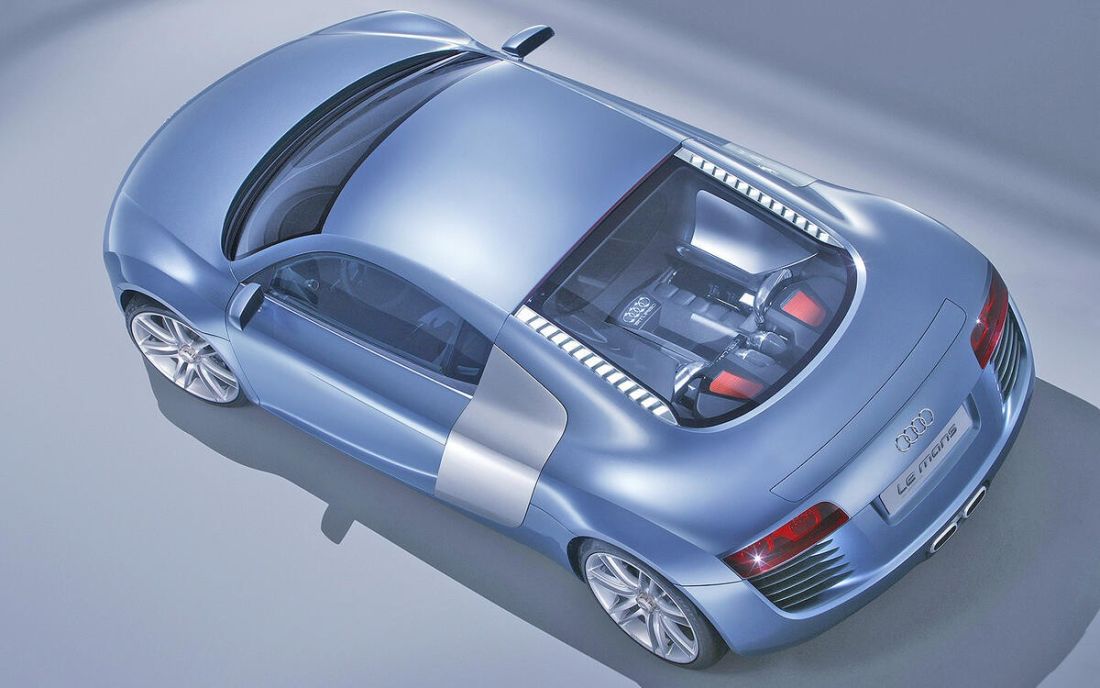
What began as a 2003 concept car evolved into the Audi R8, launched just three years later. Sharing its platform and V10 engine with Lamborghini’s Gallardo, the R8 became Audi’s flagship supercar. For a company known for saloons and estates, the R8 was a bold move—and it worked spectacularly.
Audi Q7 V12 (2004)
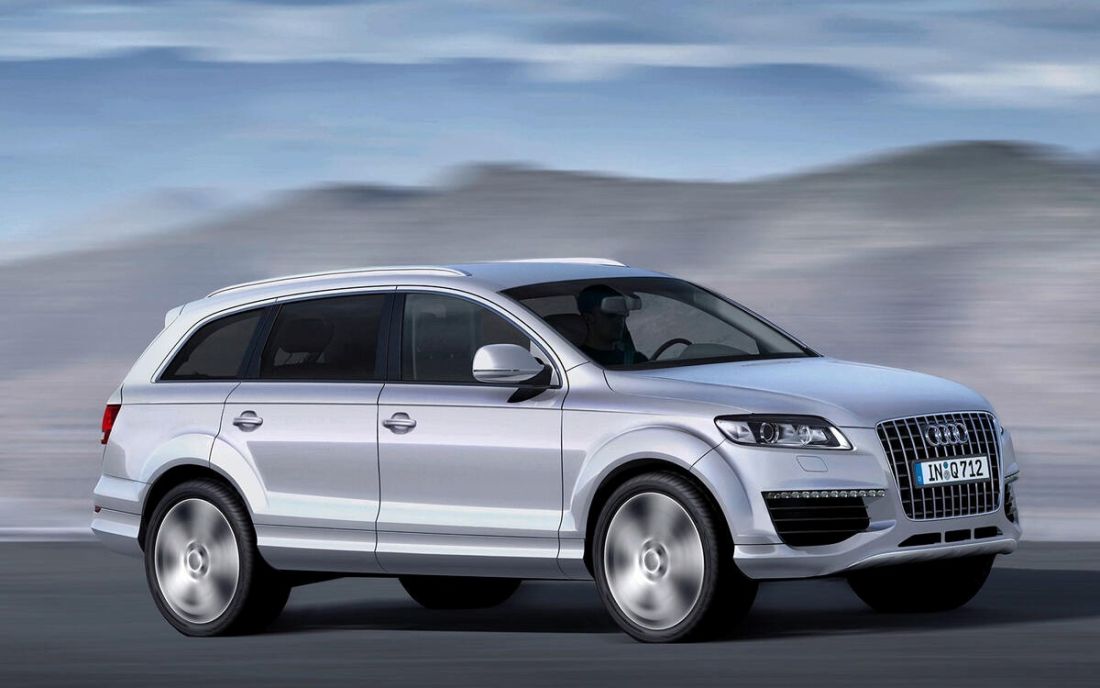
Audi’s Q7 SUV turned heads for many reasons. Among them, it boasted the world’s only production V12 diesel engine, delivering staggering torque. Though most models came with V6 or V8 engines, the V12 was the pinnacle of excess. With seating for seven and a commanding road presence, the Q7 found major success, especially in the U.S.
Audi’s journey is filled with risk-taking, innovation, and some wild experiments. Few carmakers can claim a history as diverse yet consistently impactful as Audi’s. These cars represent more than just milestones—they’re proof of what happens when engineering and ambition meet.
Hilton Car Supermarket offers a comprehensive selection of Audi cars in Milton Keynes. Check it out today!