
Used Car Supermarkets Go Younger to Cash In
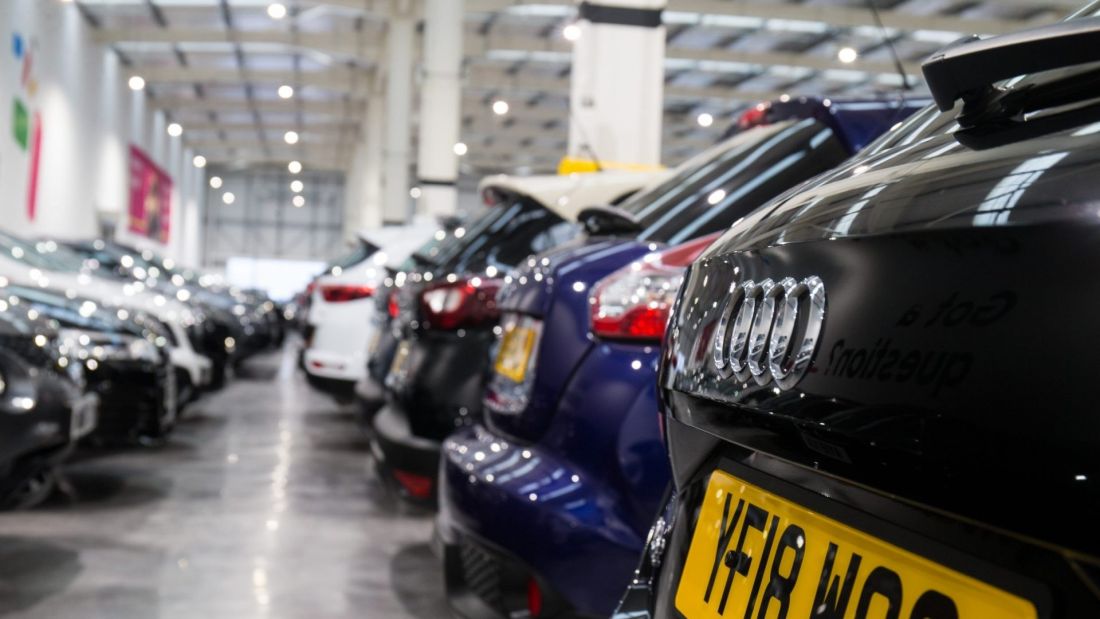
Last month, used car supermarkets managed to source more younger vehicles than before, a move aimed at boosting their profits. This conclusion emerged from fresh analysis. Motors’ Market View revealed that, for the second consecutive month, these supermarkets grew their inventory levels.
In November, supermarkets had, on average, 214 vehicles on their lots—an annual high. That’s a jump from the 200 they averaged in October and close to the 220 seen last November. This surge in stock aligns with a heightened focus on cars less than two years old. Their share of the total inventory increased year-over-year, going from 7% up to 12%.
Interestingly, this growth came at the expense of cars aged between four and six years. Vehicles in that category dropped from making up 38% of stock last year to only 30.5% now. Because of this shift toward younger models, average prices nudged upward by 1.2%, reaching £17,038 for November. The slight drop in time-to-sell—from 21.3 days to 20.8 days—indicated that profitability was a priority.
Another point of note was the lack of any major disruption caused by external factors like the Autumn Budget or a Court of Appeal ruling about Finance Commission transparency. Motors’ data showed no noticeable changes in how consumers researched or purchased cars last month.
Their analysis observed that prices, demand, and stock levels remained mostly steady month-over-month. Compared to the pricing rollercoaster of 2023, November’s average used car price of £17,961 was practically flat. It only rose by £41 MoM and £38 YoY. The average days-to-sell figure was stable as well, sitting at 30 days—just like in October (29 days) and September (30 days).
When it came to sales speed, franchised dealers were the fastest, averaging 20 days to sell. Supermarkets came close at 21 days, while independents lagged far behind at 52 days. Among individual models, the Tesla Model 3 was the month’s standout performer, lasting only 15 days on average before finding a buyer.
Dealer stock levels didn’t shift much, either. Across all types of dealerships, the average inventory was 56 units, matching October’s numbers and only slightly below the same month last year. Both franchised dealers, who averaged 65 units, and independents, at 39 units, showed no month-to-month changes.
Electric and hybrid vehicles continued to gain traction. EVs, though still small in number, climbed from 3% of stock last November to 4.5%. Hybrids, growing even faster, jumped from 6% to 9%. Diesel vehicles, by contrast, saw their share dip from 37.5% to 34.5%, though petrol-powered cars still dominated at 52%.
Lucy Tugby, Motors’ marketing director, commented that November reflected minor seasonal shifts but highlighted an ongoing trend: supermarkets strategically sourcing younger cars to drive profitability. She also noted that neither the Budget nor the finance commission ruling appeared to dampen demand. Furthermore, she pointed out how hybrids were outpacing EVs in popularity, signaling that dealers are playing a vital role in educating consumers during the transition to electric mobility.
With our 500 used cars available right now, Hilton Car Supermarket has the most in-demand vehicles you have been dreaming of. These include Land Rover, BMW, Audi, Ford, Volkswagen and so on.
Source and Image: CarDealerMagazine