
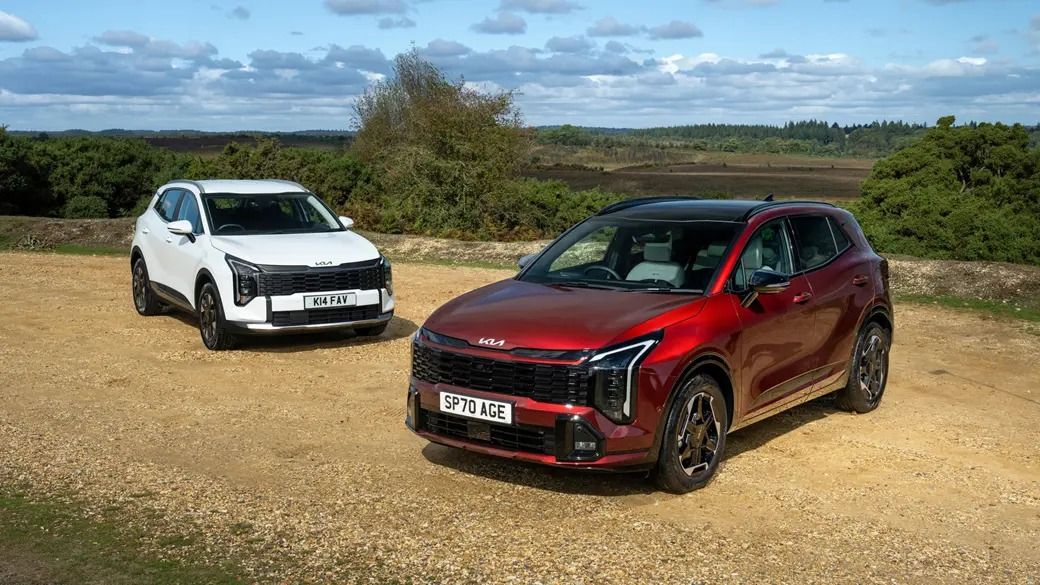
Who Topped the Charts? The 2025 UK Car Sales Wrap-Up
New car sales in the UK finally crossed the two million mark again. It is the first time that has happened since before the pandemic. The figures were released by the Society of Motor Manufacturers and Traders earlier this month.
In total, 2,020,520 new cars were registered during 2025. Sales rose across all three main channels. Private buyers bought more cars. Fleet customers increased orders. Business sales also moved up. Electric cars reached another record year, although they still missed the targets set under the ZEV Mandate. Many buyers remain hesitant about switching away from petrol and diesel.
Below is a clear look at what the numbers tell us. This includes which cars sold best, which brands gained ground, and which ones struggled badly.
Best year for new car sales since 2019
The market has been crawling back ever since Covid hit hard. In 2025 it finally felt close to normal again. Sales rose by 3.5 per cent compared to 2024, pushing total registrations beyond two million. That has not happened since 2019.
Even with all the talk about electrification, traditional engines still ruled the market. Petrol cars made up 46.4 per cent of sales. Diesel added another 5.2 per cent. Together, pure combustion models held 51.6 per cent of the market. This may well be the last year they stay ahead.
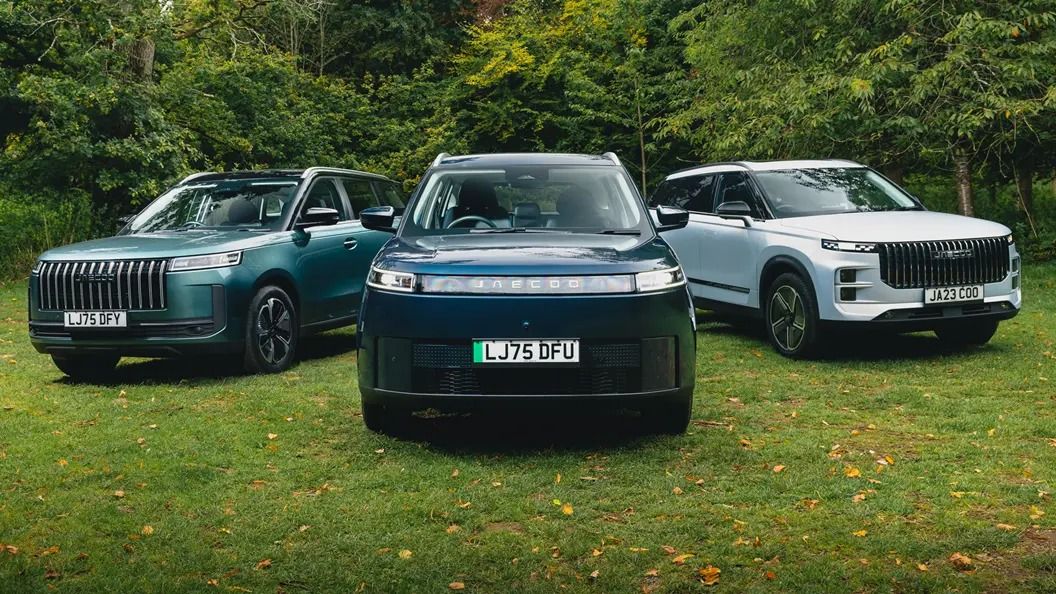
Electrified vehicles did grow quickly, but plug in hybrids were the real movers. PHEV sales jumped by 34.7 per cent. Cheaper models from China played a big part. The BYD Seal U, Jaecoo 7 PHEV and MG HS PHEV alone accounted for 21 per cent of all plug in hybrids sold.
Almost one in four new cars is electric, but targets still missed
Electric car sales continued to rise through 2025. A total of 473,348 EVs were registered. That is a 23.9 per cent increase on the year before. Electric cars now hold a 23.43 per cent market share.
That sounds healthy, but it still falls short of the 28 per cent target set for 2025 under the ZEV Mandate. December was the only month that cleared the target. That happened largely because manufacturers pushed hard with deals and delayed registrations of petrol and diesel models.
The EV grant returned, but the full £3,750 discount only applies to a small number of cars. According to the SMMT, manufacturers are still carrying most of the cost of driving EV sales. On average, around £11,000 is being subsidised per electric car. The organisation also criticised the early announcement of the electric and plug in hybrid pay per mile scheme planned for 2028, saying it sends mixed signals to buyers.
2025 was the year Chinese brands arrived properly
Chinese cars have been sold in the UK for a while now, but 2025 was the year they truly broke through. Five new brands entered the market. These were Changan, Chery, Geely, Leapmotor and Xpeng.
Unlike the EU, the UK has not imposed heavy tariffs on Chinese imports. That has made Britain an attractive market. Backed by strong performances from BYD, Jaecoo and MG, Chinese brands now account for nearly one in ten new car registrations. That figure does not even include models like the electric Mini Cooper, Mini Aceman or Polestar cars, all of which are built in China.
The UK’s best selling cars of 2025
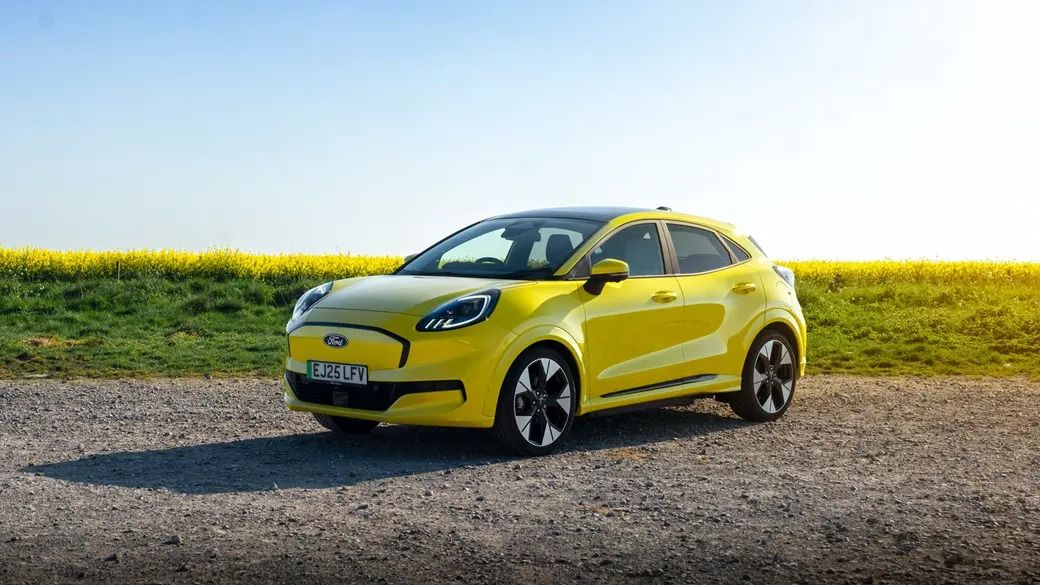
There is not a single electric only model in the top ten.
Ford may no longer dominate Europe as it once did, but in the UK it still knows how to sell cars. The Ford Puma finished as the best selling car for the third year in a row. It recorded 55,488 registrations, around 7,000 more than the year before. The arrival of the electric Puma Gen E likely helped keep interest high.
The Kia Sportage stayed in second place with 47,788 sales, helped by a facelift late in the year. The Nissan Qashqai followed with 41,141 registrations. The Vauxhall Corsa made a strong comeback, jumping to fourth place with 35,947 sales. The Nissan Juke completed the top five.
The full top ten list looks like this:
Ford Puma: 55,488
Kia Sportage: 47,788
Nissan Qashqai: 41,141
Vauxhall Corsa: 35,947
Nissan Juke: 34,773
Volkswagen Golf: 32,478
Volvo XC40: 30,404
MG HS: 30,191
Volkswagen Tiguan: 29,857
Hyundai Tucson: 28,613
The UK’s best selling electric cars in 2025
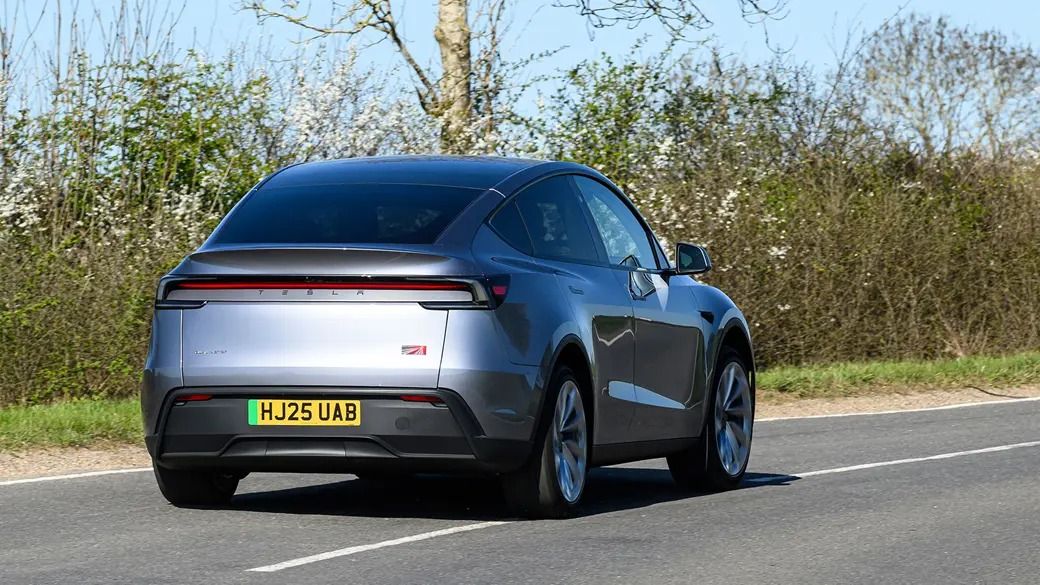
Looking at individual EV models gives a better sense of the market than per centages alone.
Tesla had a messy year, with stronger competition and ongoing controversy around Elon Musk. Even so, it still dominated electric car sales. The Model Y led the way with 24,298 registrations. The Model 3 followed with 21,188. Both were far ahead of the rest.
It is worth noting that Tesla sold around 8,000 fewer Model Ys than in 2024, despite rolling out a major update.
Audi performed well in the electric space. The Q4 e-tron took third place with 14,433 sales, followed by the Q6 e-tron on 13,148. One surprise entry was the Ford Explorer, which reached 12,237 registrations and comfortably outsold its close relative, the Volkswagen ID.4.
The full EV top ten is below:
Tesla Model Y: 24,298
Tesla Model 3: 21,188
Audi Q4 e-tron: 14,433
Audi Q6 e-tron: 13,148
Ford Explorer: 12,237
BMW i4: 12,158
Skoda Enyaq: 11,940
Kia EV3: 11,188
Skoda Elroq: 10,713
Volvo EX30: 10,289
Which manufacturers sold the most cars in 2025?
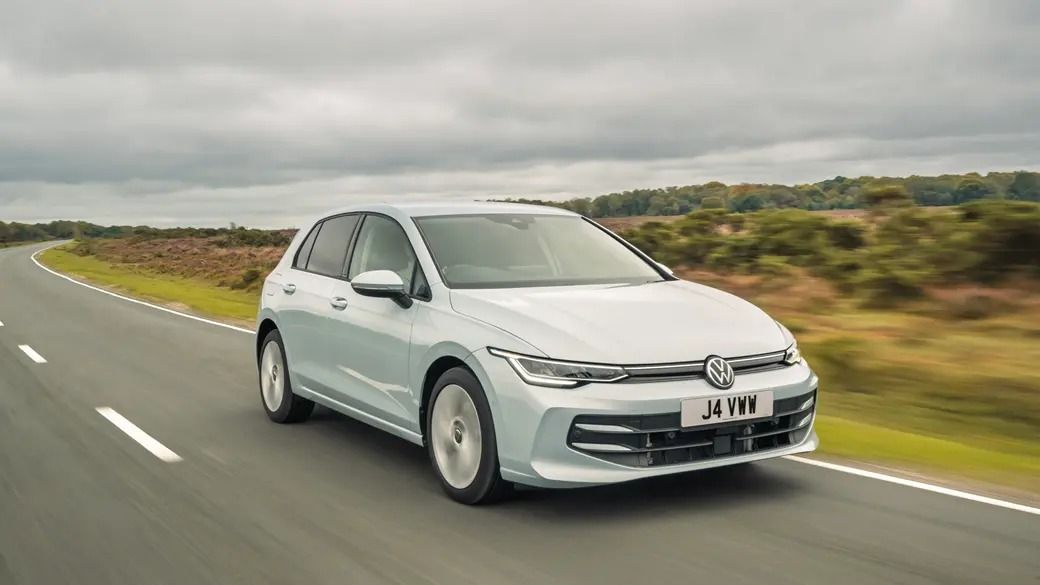
Volkswagen had a strong year and remained the UK’s biggest brand. It sold 178,607 cars, around 13,000 more than in 2024. BMW held onto second place with 122,723 registrations, slightly down year on year.
Ford climbed from fifth to third. Sales rose by roughly 10,000 units, reaching 118,998. Kia slipped to fourth despite modest growth, finishing on 113,436. Audi dropped to fifth after a tough year, with registrations down 9.24 per cent to 111,115.
Hyundai moved up from ninth to sixth thanks to solid demand for the Tucson and Kona. Toyota stayed seventh but saw sales fall by 11.2 per cent. Nissan and Mercedes finished eighth and ninth, both selling over 10,000 fewer cars than the year before. MG rounded out the top ten with 85,155 registrations.
The winning car brands of 2025
Jaecoo was the standout success. In its first full year, it sold 28,232 cars. That is an extraordinary result. Most of those sales came from a single model, the Jaecoo 7. It has already outsold long established brands like Citroen and Honda. Buyers seem drawn to its Range Rover inspired look, sharp pricing and strong dealer coverage.
Chevrolet showed huge per centage growth, but the numbers need context. It sold just one Corvette in 2024 and 85 in 2025. BYD had a genuinely big year. Sales rose by 485 per cent to over 50,000 units, helped by a broad line up and aggressive pricing. Omoda followed a similar path, growing by 447 per cent to just under 20,000 cars.
Alpine also enjoyed a big jump, with sales up 370 per cent to 1,742 units. The A290 hot hatch helped push the brand beyond the niche appeal of the A110. Polestar finally gained momentum as well. The arrival of the Polestar 3 and 4 lifted sales by 95 per cent to 16,959.
Among more familiar names, Alfa Romeo finally saw real progress. Sales rose 80 per cent thanks to the Junior crossover, although total volume still sits at around 3,000 cars. Cupra continued its upward run, growing 35.6 per cent to 41,214 units. Peugeot also deserves credit. Sales rose by more than 14,000 to reach 83,044, driven mainly by the 3008 and 5008.
The losing car brands of 2025
At the bottom end, Fisker and Jaguar stand out. Fisker sold nothing after its collapse in 2024. Jaguar only shifted a handful of remaining cars as it prepares for its next chapter.
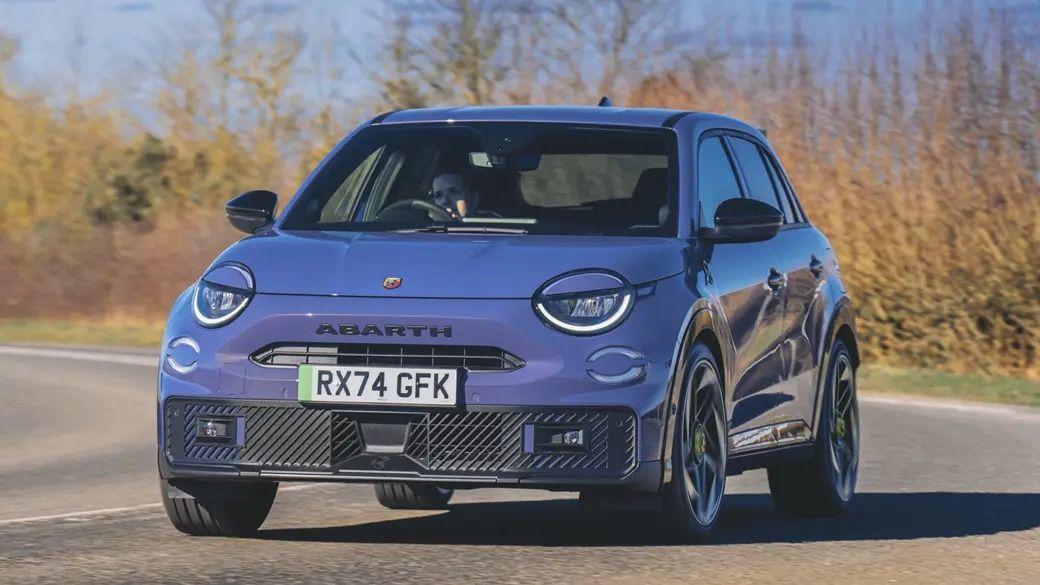
Abarth had a miserable year. Just 291 cars were registered, down 71.7 per cent. This came despite launching the Abarth 600e crossover. Its move to become EV only has clearly failed so far. Fiat also struggled, falling 38.5 per cent to fewer than 9,000 registrations. That is weak for a brand meant to sell in volume. Help is on the way with the 500 hybrid and Grande Panda due in 2026.
Citroen also had a rough time. Sales dropped 31.7 per cent to 20,732 units. Model changeovers for the C3, C3 Aircross and C5 Aircross did not help. With a full range now in place, 2026 needs to be better.
Not all Chinese brands succeeded either. GWM saw sales fall by 53.3 per cent to just 542 cars. The Ora 03 hatch has failed to gain traction and the Haval Jolion Pro has gone largely unnoticed. Better products would make a difference.
Seat continues to fade into the background. It sold 23,015 cars, less than half of Cupra’s total. Updated versions of the Ibiza and Arona should help, but the longer Seat relies on ageing models, the harder it becomes to win buyers back.
Ready to make sense of the UK car market and pick your next ride with confidence? Visit Hilton Car Supermarket today and see a wide range of the latest new and nearly new cars in stock. We’ve got petrol, hybrid and electric options to suit every budget and taste. Don’t wait around while prices climb and stock dries up. Click through, book a test drive, or come down to our showroom in person. Your next car is waiting.
Source and Images: CarMagazine Co UK