
Why Drive-by-Wire Technology Will Define Tomorrow's Vehicles
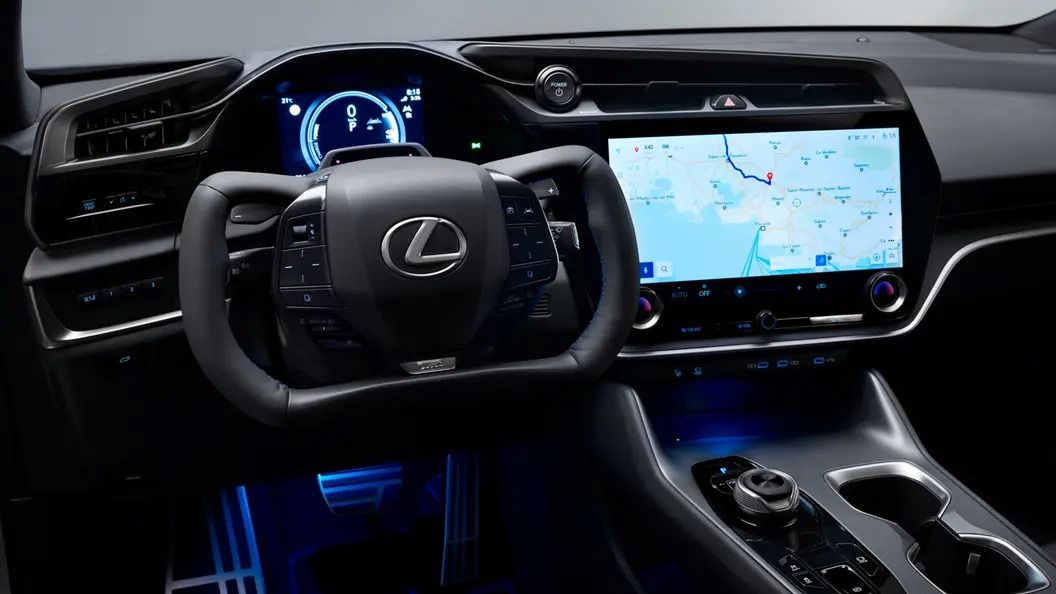
Cars like Tesla’s Cybertruck, Lexus RZ, and Ferrari’s lineup share something cool. They use drive-by-wire tech. This system controls a car’s movement with software and electronics, not old-school mechanical parts. No heavy steering columns or hydraulic lines needed.
Car companies are pumped about this. They’re pouring millions into research. Some work with suppliers like Bosch or ThyssenKrupp, who are also deep into this tech. It’s not just for fancy sports cars or luxury rides—everyone from Tesla to Lexus sees it as the future, especially for self-driving cars.
Tesla’s Cybertruck has steer-by-wire built in. Lexus offers it in their sporty RZ F-Sport. Bosch’s CEO, Stefan Hartung, says it simplifies things: “By-wire tech cuts complexity.” ThyssenKrupp agrees, saying it’s close to a big breakthrough. Ferrari’s even further along, using brake-by-wire in models like the Purosangue and SF90. Most cars with automatic transmissions now use shift-by-wire too.
What’s So Great About Drive-by-Wire?
Drive-by-wire swaps out clunky mechanical parts for digital controls. Steering, braking, and throttle systems use wires, processors, and software instead of physical links like steering racks or brake lines. This change brings two big wins: less weight and better space use.
The weight drop isn’t huge, but the space savings are. Engineers can design roomier car interiors. Electric cars and self-driving vehicles benefit most. Imagine a steering wheel that folds into the dashboard when the car drives itself—impossible with old-school setups.
Mercedes-Benz’s Christoph Starzynski explains: “You don’t need separate parts for left- or right-hand drive cars. That cuts manufacturing headaches.” Plus, it makes infotainment better. Mercedes’ tech boss, Markus Schäfer, says a flat steering yoke gives a clearer view of screens for streaming shows during semi-autonomous driving.
Drive-by-wire also makes driving easier. Many systems use yoke-shaped steering wheels, needing less effort to turn. Ferrari’s brake-by-wire, used in cars like the 296 and SF90, lets them tweak pedal feel for different models. “We can get the exact brake power we want with less pedal travel,” says Ferrari’s Jacopo Canestri. Their driver, Francesco Comand, adds: “It’s a game-changer, like ABS Evo or carbon ceramic brakes.”
Customization is another perk. Lotus’ Ben Payne says: “Software lets you adjust steering feel for city driving or racing. You can make it light or super responsive.” This flexibility means drivers get a personalized experience, from chill cruises to track-day thrills.
Does It Actually Work?
Yes, it works! Cars with steer-by-wire and brake-by-wire are already on the road. But it wasn’t always smooth. Infiniti’s Q50 in 2013 had steer-by-wire, but people hated its sloppy setup. Since then, things have improved.
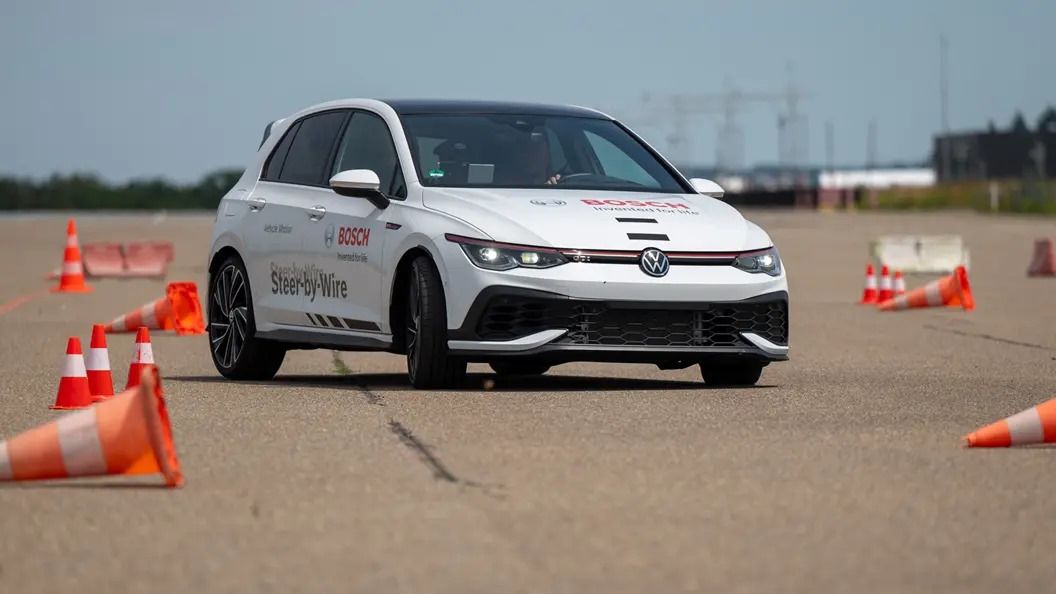
Lexus tested their OneMotion Grip steering years before it hit production. It cuts effort for tight turns and blocks road vibrations. Bosch’s test cars show off steer-by-wire that adjusts based on drive mode. Their brake-by-wire uses a fixed pressure pad instead of a pedal. It feels odd at first but gives super precise braking.
Any Downsides?
Cybersecurity is a big worry. Since software runs the show, hackers could potentially mess with a car’s controls. In 2023, Upstream reported a 35% jump in cyberattacks on car telematics and apps. About 14% targeted electronic control units, which drive-by-wire systems rely on. That number’s growing.
Lexus Europe’s Pascal Ruch stresses: “We’re super serious about cybersecurity. No compromises, ever.” Still, some engineers aren’t sold. Toyota’s Gazoo Racing team, for instance, prefers physical connections for high-performance cars. Engineer Hiroyuki Yamada says: “We want that direct feel in our vehicles.”
Then there’s the question of need. Mercedes’ Starzynski notes: “It’s cool tech, but are customers ready? Only time will tell.” For some, the benefits might not outweigh the risks or costs.
Why It Matters
Drive-by-wire is reshaping cars. It’s lighter, saves space, and makes driving smoother. It’s perfect for electric and autonomous vehicles, letting designers rethink interiors. Customization means every driver gets their ideal setup. But challenges like hacking risks and driver trust need solving.
Car makers like Tesla, Lexus, and Ferrari are all in. Suppliers like Bosch and ThyssenKrupp are pushing hard too. As tech gets better, expect more cars to ditch mechanical parts for digital controls. The future’s coming fast, and drive-by-wire is steering the way.
Meanwhile there are plenty of good secondhand cars available in Milton Keynes that are as good as any drive-by-wire car.
Source and Images: CarMagazine UK