

Hybrid and electric
The electric vehicle (EV) industry is experiencing explosive growth, and with good reason! These clean, efficient cars offer a glimpse into a more sustainable future. However, navigating the world of electric and hybrid cars can be confusing for potential buyers. This comprehensive guide will break down everything you need to know about electric cars and hybrid cars, including their pros, cons, and key differences.
What Is An Electric Car?
An electric car, also known as a Battery Electric Vehicle (BEV), is powered solely by an electric motor and a large rechargeable battery pack. Unlike gasoline-powered cars, electric vehicles don't have tailpipe emissions, making them a much cleaner option for the environment.
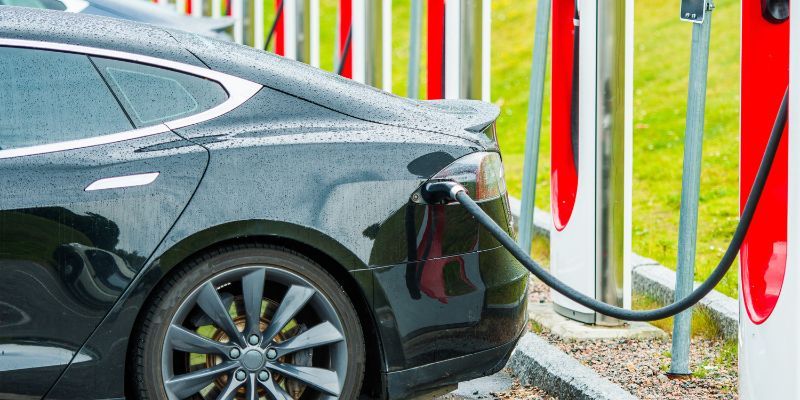
Components of an Electric Car:
Electric motor: This replaces the traditional petrol or diesel engine and provides power to the wheels.
Lithium-ion battery pack: This stores the electricity that powers the car. Battery range varies depending on the model.
Onboard charger: This converts AC power from the grid into DC power for charging the battery.
Benefits of Electric Cars:
Environmentally Friendly: A huge benefit of electric cars is that they produce zero tailpipe emissions, significantly reducing air pollution and greenhouse gas emissions.
Lower Running Costs: Electricity is generally cheaper than fuel, leading to significant fuel savings over time. Many governments also offer tax breaks and incentives for purchasing electric vehicles.
Quieter Ride: Electric motors operate much quieter than petrol or diesel engines, making the driving experience more peaceful.
Instant Torque: Electric motors deliver instant torque, providing a smooth and responsive driving experience.
Reduced Maintenance: Another one of the most popular benefits of an electric car is that they have fewer moving parts than petrol or diesel cars, which translates to lower maintenance costs.
Drawbacks of Electric Cars:
Limited Range: While range is improving, electric cars generally have a shorter driving range on a single charge compared to a petrol or diesel car on a full tank.
Charging Time: Fully charging an electric car can take several hours, depending on the charging station type and battery size. Explore our blog on rapid car chargers to find out more about the different chargers available.
Higher Upfront Cost: Electric cars often have a higher initial purchase price compared to petrol or diesel cars, although government incentives and lower running costs can help offset this over time.
Limited Charging Infrastructure: While charging infrastructure is expanding, it's still not as widespread as fuel stations, which can be a concern for long-distance travel.
What Is A Hybrid Car?
A hybrid car combines an electric motor with a petrol or diesel engine. Unlike electric cars, hybrids don't need to be plugged in to recharge their batteries. There are two main types of hybrids:
Plug-in Hybrid Electric Vehicle (PHEV): These hybrids can be plugged in to charge their batteries, allowing them to run on electricity for a limited range. Once the battery is depleted, the petrol or diesel engine kicks in.
Hybrid Electric Vehicle (HEV): These hybrids cannot be plugged in. The petrol or diesel engine and electric motor work together to power the car, with the battery regenerating through braking and coasting.
Benefits of Hybrid Cars:
Reduced Emissions: One of the biggest benefits of a hybrid car is that they offer lower emissions compared to traditional petrol or diesel cars, especially when operating in electric mode.
Increased Fuel Efficiency: A big benefit of a hybrid car is that hybrids achieve better fuel economy than petrol or diesel cars, leading to lower fuel costs.
No Range Anxiety: Hybrids offer the peace of mind of having a petrol or diesel engine as a backup, eliminating range anxiety for long trips.
Smoother Acceleration: The combination of electric motor and petrol or diesel engine can provide smoother acceleration compared to petrol or diesel cars alone.
Drawbacks of Hybrid Cars:
Higher Upfront Cost: Hybrid cars generally have a higher initial purchase price compared to petrol or diesel cars.
Less Fuel-Efficient than Electric Cars: While more efficient than petrol or diesel cars, hybrids can't achieve the same level of fuel efficiency as pure electric vehicles.
Increased Maintenance: Hybrids have both a petrol or diesel engine and electric motor, which can potentially lead to higher maintenance costs compared to petrol or diesel cars.
Less Powerful Than Gas Cars: Some hybrid models may sacrifice some performance for better fuel efficiency.
Interested In Purchasing An Electric Or Hybrid Car?
Now that you understand the pros and cons of both electric and hybrid vehicles, you can make an informed decision about which option is right for you. Here at Hilton Car Supermarket, we offer a wide variety of electric and hybrid vehicles to suit your needs and budget. Explore our extensive online stock and find the perfect electric or hybrid car to take you on your next eco-friendly adventure.
Remember, choosing an electric or hybrid car is a significant step towards a more sustainable future. Let Hilton Car Supermarket help you make the switch today!
Read More: Used Car Price Trends in 2024 – Electric Vehicles See Biggest Drops