
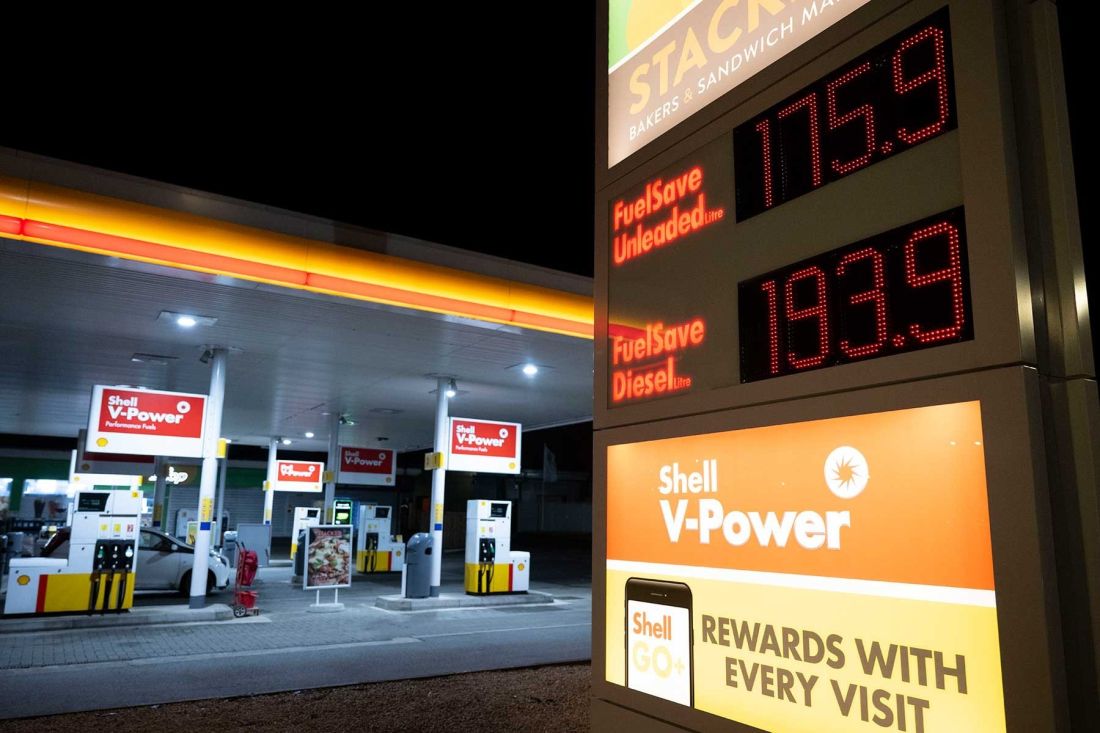
Fueling the Flame - How UK Supermarkets Profit from Soaring Petrol and Diesel Prices Post-Russian Invasion
Major retailers continue to increase prices by 10p per litre, doubling the previous 5p rise due to the fuel shock triggered by the events in Ukraine.
Data from the RAC indicates that following Russia's actions in Ukraine, major supermarkets (Asda, Tesco, Sainsbury's, and Morrisons) have experienced a significant rise in their petrol and diesel margins, reaching 9.3p and 10.8p per litre, respectively. This surge in prices has exacerbated the cost of living strain for drivers and contributed to UK inflation.
In 2022, petrol margins at supermarkets saw a rise to nearly 11p, reaching 20p after a record pump price of 191.5p on 3 July. Consumers attributed the high cost of filling up to soaring global oil prices rather than supermarket actions. Throughout the year, supermarkets withheld diesel wholesale price cuts, pocketing an average of 15p per litre.
In the past, the RAC observed that fuel margins for supermarkets were quite minimal, reaching 2.3p per litre in 2016. Subsequently, it rose to 5.7p in 2019 and remained stable during the pandemic. However, in 2022, there was a significant increase of more than 54%, with an average of nearly 11p per litre in the current year, the RAC states.
According to Simon Williams, a spokesperson for RAC fuel, the recent drop in fuel prices significantly contributed to the decline in inflation by 7.9% last month. However, data suggest that the decrease could have been even more substantial if supermarkets had passed on the savings from cheaper wholesale costs to consumers at the pump.
Live fuel price-evaluation System:
The Competitions and Markets Authority has proposed the establishment of a government body to oversee pricing alongside regulations requiring fuel stations to disclose real-time price information on the Internet. These initiatives gained swift government backing, with Energy Security Secretary of State Grant Shapps affirming plans to enshrine them in legislation.
Currently, under existing regulations, fuel stations are solely required to display prices on their premises, resulting in drivers having to visit different stations to compare prices. The proposed CMA suggestion advocates for mandatory disclosure of real-time prices by fuel retailers in a readily accessible format for drivers, compatible with satnavs and third-party mobile apps.
The CMA assures that there is no indication of active collaboration among supermarkets, but it highlights a rise of six pence per litre in their average margins during 2019-2022. Additionally, drivers had to bear an extra 13p per litre increase in diesel prices in the initial five months of 2023.
The RAC claimed to have provided the CMA with their data, revealing instances of supermarkets not promptly addressing, or even ignoring, fuel price drops in the wholesale market.
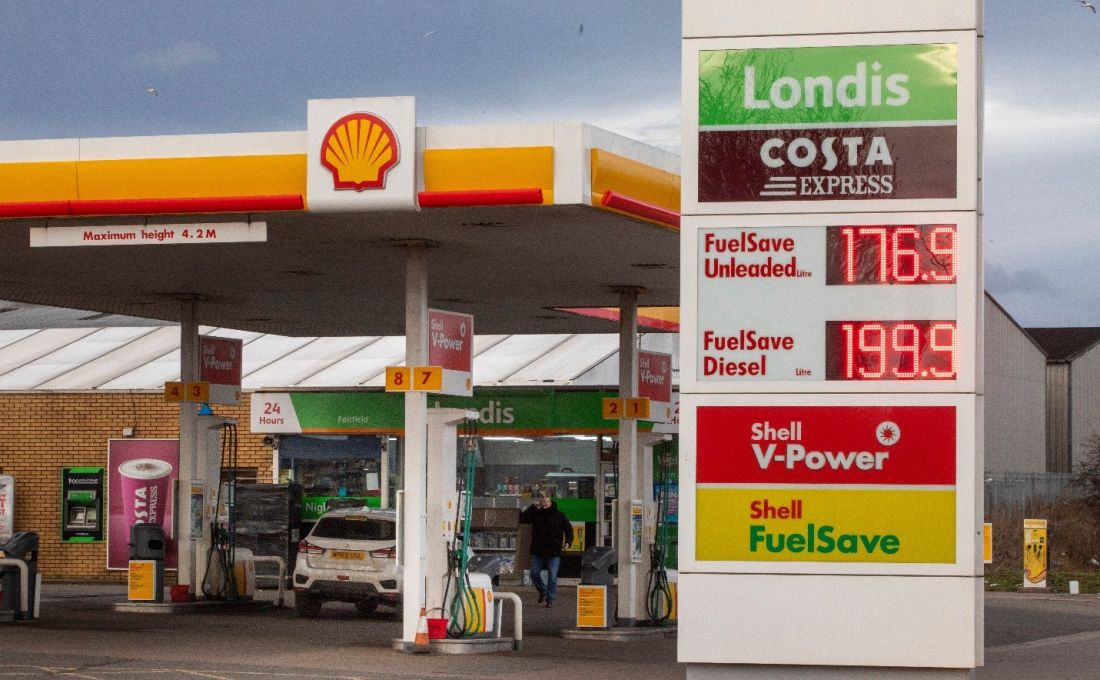
What forms the rate of UK fuel?
The fuel cost is categorised into three components: government taxes, operational expenses (drilling, refining, and transportation), and fuel company profits.
For petrol, diesel, and bioethanols, approximately 65 per cent of the total cost goes to the government via fuel duty and value-added tax (VAT). Fuel duty remains fixed irrespective of oil price fluctuations, with the Treasury currently adding 52.95 pence per litre, plus 20 per cent through VAT, which varies based on your fuel consumption.
A significant portion of the total comes from purchasing fuel at wholesale rates, influenced by currency exchange rates, global oil prices, and local supply and demand dynamics.
Also, Learn About UK’s 2030 Sanction on Petrol and Diesel Cars
Why is supermarket fuel less expensive compared to a self-governing forecourt?
Historically, supermarket fuel stations used to provide the most affordable fuel prices due to the significant market influence these retailers possess. Competing brands such as Asda, Tesco, Sainsbury's, and Morrisons have been striving to maintain lower fuel costs, with the added incentive of attracting drivers to potentially shop for their groceries during their visit.
Lately, analysts have raised concerns about the true cost-effectiveness of supermarket fuel due to fluctuating fuel prices. In September 2022, Simon Williams, the RAC fuel spokesman, revealed that numerous smaller forecourts offer fuel at lower prices than supermarkets, urging people to explore various options rather than assuming supermarkets always have the best deals. The Competitions and Markets Authority is currently investigating supermarket fuel pricing to better understand the underlying reasons behind seemingly high fuel prices.
Why are petrol and diesel so costly on motorways?
Motorway fuel stations justify their relatively higher prices due to their round-the-clock operations and extensive service offerings compared to standard forecourts. Additionally, they face the challenge of paying elevated rental fees for their operating buildings.
In less accessible regions, fuel costs tend to increase due to greater transportation and supply expenses; however, RAC fuel spokesperson Simon Williams disputes this situation for motorway stations, asserting that there's no apparent justification for their notably higher prices, given that, from a delivery perspective, it's arguably even more convenient than supplying urban filling stations.
What are the reasons behind diesel being pricier than petrol?
Despite the equal taxation imposed by the Treasury on both diesel and petrol, the higher cost of diesel can be attributed to challenges faced by domestic refineries in meeting demand. Consequently, the UK has resorted to importing more diesel from foreign nations compared to petrol. Moreover, the cost of additives utilised in diesel also contributes to its elevated prices.
Additionally, there tends to be a widening difference in the pricing of petrol and diesel in the UK during the winter months. With the conclusion of the US "driving season," retailers find themselves with excess petrol that cannot be exported, resulting in its sale at a reduced rate locally. Simultaneously, there is a surge in demand for diesel across continental Europe, where it is commonly utilised as heating oil.
Lately, the rise in affordable diesel imports from various nations, including Saudi Arabia, has significantly impacted wholesale diesel prices, aligning them more closely with petrol rates and ultimately leading to a drop in pump prices. Nevertheless, as we rely on Russia for a larger proportion of diesel compared to petrol, the advantage has now shifted in the opposite direction once more.
Regardless of the petrol and diesel prices, we know you need a ride to commute in the UK. We offer all mainstream cars, including brands like BMW, Ford, Mercedes, Lexus, Land Rover, Toyota, Volkswagen, and more, in Milton Keynes at Hilton Car Supermarket.
Source and Images: AutoExpress UK